

The 2026 Top Nail Polish Nails Trends for Global Buyers will be shaped by color, safety, convenience, and regional buying behavior. Market reports point to steady expansion. Grand View Research projects continued growth in the global nail polish market through the next decade, supported by salon services, home manicures, and digital beauty retail. Fortune Business Insights also identifies rising interest in premium and long-lasting formulations. However, these reports use different market definitions. Their figures should guide decisions, not replace local research.
“Color is the easiest way to change your look,” says Suzi Weiss-Fischmann, OPI co-founder and a recognized nail-industry expert. Her observation remains practical in 2026. Buyers are likely to compare sheer pinks, mineral neutrals, chrome finishes, dark berry shades, and playful seasonal colors. They will also examine drying time, brush design, chip resistance, ingredient disclosure, and packaging waste. A small glass bottle, a flat precision brush, and a clear ingredient label can influence repeat purchases.
This outline will examine the trends most relevant to international distributors, retailers, salons, and private-label brands. It will connect forecast data with real purchasing details, including climate, skin-tone diversity, online reviews, and regional regulations. Vegan, low-odor, and breathable claims may attract attention, but unsupported claims can damage trust. Evidence matters.
The market is not perfectly predictable. Social media can make one shade popular overnight, while economic pressure can move buyers toward smaller, affordable products. Global buyers should therefore balance trend speed with formula quality, compliance, and dependable supply. A beautiful color helps. Reliable performance sells.
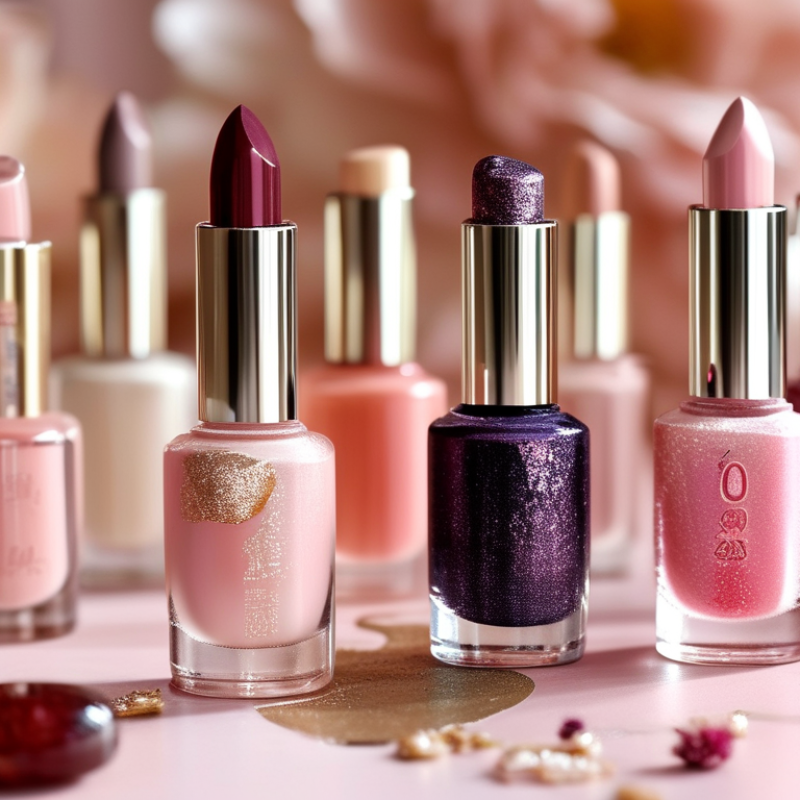
In 2026, nail fashion is moving toward polished simplicity with visible texture. Grand View Research identifies sustained growth in the global nail polish market, supported by premium finishes and frequent at-home use. For global buyers, sheer jelly layers, milky neutrals, and soft chrome will remain commercially practical. They suit different skin tones and work across seasons.
Small details will matter more than complicated artwork. Micro-French lines, pearly overlays, and mineral-inspired shades can create a refined look on short nails. Euromonitor International’s beauty research continues to highlight personalization and convenient self-care as important purchasing influences. Buyers should therefore examine brush control, drying speed, opacity, and removal experience. Color alone is not enough.
Sustainability will shape product conversations, but claims require careful verification. Packaging reduction, ingredient transparency, and responsibly supported production information may influence professional buyers. The Business Research Company forecasts continued expansion in beauty and personal care, though exact nail-category growth varies by region. That uncertainty matters. I would not overread every viral shade. Regional climate, salon habits, and local color preferences can change demand quickly. A balanced 2026 assortment may include translucent pink, muted clay, deep berry, reflective silver, and one unexpected shade. Forecasts guide decisions; real customer feedback corrects them.
For 2026, global buyers are watching color families that photograph well, sell across seasons, and suit different skin tones. Soft cherry, milky beige, mineral blue, and tea green are gaining attention. These shades feel wearable but offer more character than basic nude. Deep plum and roasted brown can support autumn collections, while bright coral keeps summer displays lively. Buyers should request physical samples. Screen colors often mislead.
Finish will influence purchasing decisions as much as color. Velvet shimmer, glazed pearl, soft chrome, and jelly effects create dimension under store lighting. High-shine cream finishes still matter because they suit everyday customers. For designs, micro-French tips, aura fades, fine swirls, and negative-space details look modern without feeling difficult to wear. In assortment reviews, practical designs often sell better than highly complex art. However, that pattern may change with regional taste.
Tips: Compare samples under warm and cool light. Check opacity after two coats. Test drying time and chip resistance before placing large orders. Keep several flexible shades in each collection, because trend forecasts are useful, not perfect. One color may look elegant in Seoul, yet feel too muted in a bright Mediterranean market.
| No. | Trend Direction | Key Colors | Preferred Finish | Popular Nail Designs | Why Buyers Will Seek It | Recommended Product Options | Buyer Priority |
|---|---|---|---|---|---|---|---|
| 1 | Sheer Milky Neutrals | Milky white, ivory, soft beige | Jelly, sheer, glossy | Clean-girl nails, micro-French tips, natural overlays | Neutral shades work across skin tones, seasons, and customer age groups. They are suitable for everyday wear and professional settings. | Buildable coverage, low-odor formulas, quick-dry top coats, short-wear and salon-use sizes | Very High |
| 2 | Deep Cherry and Wine | Cherry red, burgundy, oxblood, plum-red | High-shine cream, jelly | Full-color manicures, French tips, aura nails, minimal accent nails | Dark reds remain commercially versatile because they combine classic red appeal with a more sophisticated seasonal look. | One-coat pigmentation, stain-resistant base coats, classic and mini-bottle formats | Very High |
| 3 | Mocha and Earthy Browns | Mocha, cocoa, caramel, terracotta | Glossy cream, velvet, satin | Monochrome nails, tortoiseshell effects, brown French tips | Earth-inspired colors support year-round collections and pair well with minimalist, luxury, and autumn-focused assortments. | Layerable brown palettes, neutral color sets, long-wear cream polishes | High |
| 4 | Soft Powder Blue | Powder blue, icy blue, pale denim | Glossy cream, translucent jelly | Blue French tips, cloud designs, negative-space manicures | Light blue offers a fresh alternative to pink and beige while remaining easy to wear in spring, summer, and resort collections. | Pastel formulas with smooth application, opacity in two coats, coordinated color duos | High |
| 5 | Sage and Botanical Greens | Sage, olive, eucalyptus, moss | Muted cream, glossy, satin | Botanical art, green French tips, tonal abstract designs | Muted greens align with nature-inspired beauty and wellness themes while providing a distinctive alternative to traditional neutrals. | Curated botanical palettes, muted green shades, nail-art liner companions | High |
| 6 | Chrome and Reflective Metallics | Silver, champagne, rose gold, pewter | Chrome, mirror, metallic shimmer | Glazed-donut nails, chrome French tips, metallic accents | Reflective finishes create strong visual impact for social content, event manicures, and premium seasonal collections. | Chrome-effect polish, magnetic systems, reflective glitter top coats, easy-removal formulas | Very High |
| 7 | Blush Pink and Soft Rose | Blush, rose beige, dusty pink, mauve | Sheer, glossy cream, pearl | Russian-style manicures, soft ombré, pink French tips | Soft pink remains a dependable core category because it suits bridal, office, salon, and everyday nail looks. | Multi-tone nude pink ranges, sheer bridal colors, smooth self-leveling formulas | Very High |
| 8 | Black and Graphic Contrast | Jet black, charcoal, blackened navy | Glossy, matte, satin | Black French tips, checkerboard, abstract lines, negative space | Black delivers strong contrast and supports both minimalist designs and expressive nail art across multiple markets. | Highly pigmented black, matte top coat, precision nail-art brushes, monochrome sets | High |
| 9 | Lavender and Digital Lilac | Lavender, lilac, orchid, muted violet | Jelly, glossy cream, iridescent shimmer | Pastel aura nails, floral details, ombré and chrome overlays | Purple-based shades connect with playful digital aesthetics and provide a softer alternative to saturated blue or pink. | Pastel purple collections, color-shifting toppers, two-coat cream formulas | Medium-High |
| 10 | Tangerine and Warm Coral | Tangerine, coral, papaya, burnt orange | Glossy cream, jelly, shimmer | Color-blocking, statement tips, sunset aura designs | Warm orange tones are effective for vacation, summer, and festival assortments and offer high shelf visibility. | Seasonal bright collections, high-gloss jellies, complementary yellow and pink shades | Medium-High |
For global buyers, nail polish trends in 2026 will depend less on color alone. Formula design now shapes shelf appeal, user comfort, and repeat orders. Evaluate resin balance, pigment dispersion, and solvent stability before comparing shades. Sheer jelly, metallic, and soft chrome finishes may attract attention, but application quality remains critical. A smooth formula should spread evenly in two thin coats. It should dry without shrinking from the nail edge. Watch the brush. A narrow, flexible brush can leave streaks, while an overly wide brush floods the cuticle.
Performance testing should reflect real retail conditions. Store samples at room temperature, then inspect viscosity after heat and cold exposure. Check drying time at 21–25°C and moderate humidity. Record touch-dry time, full-cure feel, gloss retention, and removal effort. A strong product resists minor chipping during washing, but it should not become difficult to remove. That balance is often missed. Buyers should also review ingredient documentation, safety data, batch consistency, and packaging compatibility.
For international purchasing, request test reports suited to destination-market requirements. Claims such as “quick dry” need measurable conditions, not attractive wording. Test three batches, not one perfect sample. Small changes in pigment load can alter drying and leveling. That lesson makes approval slower, but more dependable. Still, no laboratory test fully predicts every consumer’s nails. Some users apply thick coats, and that exposes weaknesses quickly. Leave room for retesting.
Global nail polish demand is becoming more regional, not simply more colorful. Grand View Research valued the global nail polish market at about USD 11.1 billion in 2023. Its report projects steady growth through 2030, supported by at-home beauty routines and online retail. However, broad market figures can hide important local differences.
In North America, buyers often prioritize quick drying, chip resistance, and easy removal. Retail testing also shows strong interest in neutral, sheer, and seasonal shades. In Japan and South Korea, delicate finishes, translucent colors, and compact packaging remain influential. Asia-Pacific is expected to record strong market growth, according to Mordor Intelligence, but country-level preferences vary sharply. European buyers increasingly examine ingredient disclosure, packaging waste, and product durability. In Gulf markets, high-pigment shades and long-wear performance can attract attention, especially for formal occasions. These patterns are useful, but imperfect. Shade names and color expectations do not travel cleanly across cultures.
Tips: Global buyers should compare search data, retailer sell-through, and local distributor feedback before placing large orders. Test small batches in several markets. Offer both low-saturation everyday shades and brighter regional capsules. Check drying time in humid climates, because laboratory results may not match store conditions. Circana’s regional beauty tracking also suggests that value, convenience, and self-expression continue shaping nail purchases. Still, data should support human observation, not replace it. A buyer who ignores local climate, nail-care habits, or preferred brush sizes may misread demand.
2026 Top Nail Polish Nails Trends for Global Buyers will favor sheer finishes, magnetic effects, and lower-impact packaging. Grand View Research projects the global nail polish market to grow at about 6.5% annually through 2030. However, trend speed should not weaken supplier checks. Buyers need documented ingredient lists, batch records, stability results, and clear manufacturing locations before approving a new formula.
Compliance is market-specific. In the European Union, suppliers must support Regulation (EC) No. 1223/2009, including a Product Information File, safety assessment, responsible-person details, and compliant labeling. ISO 22716 helps verify cosmetic good manufacturing practices. For the United States, buyers should review MoCRA registration, facility obligations, and adverse-event procedures. Ingredient names should follow INCI conventions. Claims such as “long-wear” or “non-toxic” require evidence, not attractive wording.
Packaging needs equal attention. The OECD reports that packaging creates about 40% of global plastic waste, making material choices commercially important. Request component specifications for bottles, brushes, caps, liners, and cartons. Check leakage, brush shedding, color migration, torque, and transport performance. Recycled content can be useful, but it may affect clarity or chemical compatibility. Not every refill concept works with solvent-based formulas. That is easy to overlook. Suppliers should provide packaging test reports, recycling guidance, and traceable batch codes. A practical audit should include factory photographs, sample retention, and independent laboratory verification. One weakness remains: small suppliers may provide incomplete documents, even when samples look excellent.