
Choosing the best type of cup machine is not simply a race for maximum output. Global buyers must match the machine with materials, cup sizes, labor skills, energy costs, and local demand.
Smithers’ report, The Future of Global Paper Cups to 2028, identifies continued growth in paper-based foodservice packaging, supported by takeaway consumption and sustainability pressure. PMMI’s Packaging Machinery—Trends and Advances report also highlights automation, connected equipment, and service support as major purchasing factors. These findings point toward a practical question: should a buyer select a standard paper cup forming machine, a high-speed automated line, or a flexible system for several cup specifications?
The answer depends on the factory floor.
A small converter may benefit from a compact machine with quick mold changes and simple controls. A multinational producer may require servo drives, inline inspection, remote diagnostics, and stable high-speed production. For plastic cups, thermoforming can suit lightweight, high-volume products. For paper cups, a forming machine with reliable side-seam sealing and bottom-knurling control is often more appropriate. Compostable coatings can create unexpected sealing problems.
Packaging machinery expert Jim Pittas has emphasized, “Automation must serve the operation, not replace its judgment.” That principle deserves attention. The fastest cup machines may waste material when operators lack training or spare parts arrive slowly. Buyers should compare verified output, reject rates, energy consumption, installation support, and total ownership cost—not only the catalog speed.
No single machine wins everywhere. The best choice is the one that remains productive after the sales demonstration ends. And that is where many purchasing plans still need honest reflection.
What Is the Best Type of Cup Machine for Global Buyers?
What Defines a Cup Machine and Its Main Production Functions?
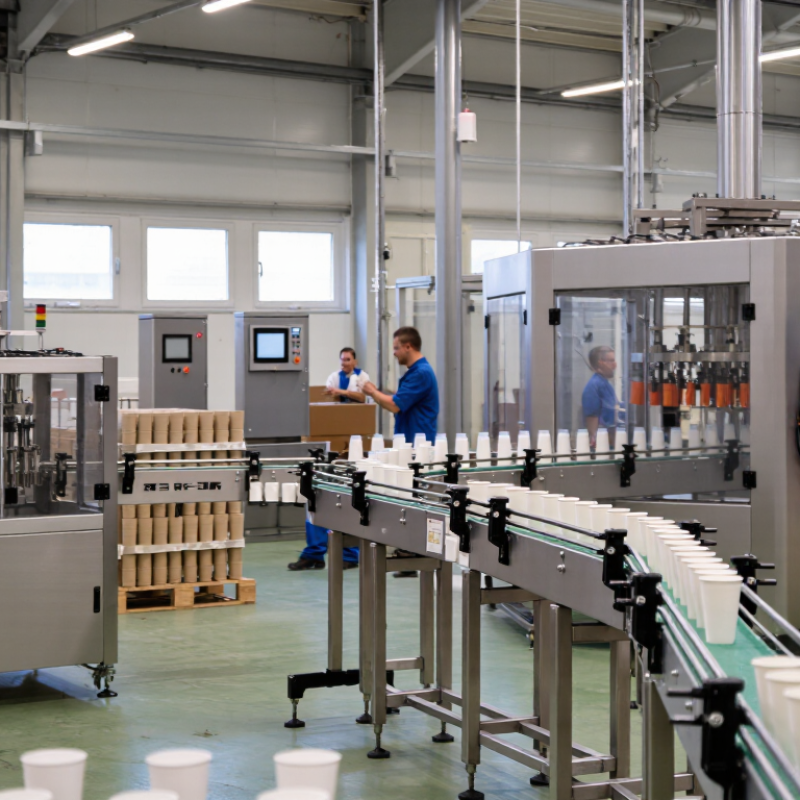
A cup machine converts paperboard or plastic sheet into finished drinking containers. Its core work includes feeding, printing, cutting, forming, sealing, curling, and quality inspection. A paper cup line typically heats coated material, shapes it around a mold, and seals the sidewall with controlled pressure. The bottom is then inserted and sealed. Small temperature changes can create leakage.
Production speed matters, but it does not tell the whole story. Smithers’ The Future of Global Paper Packaging to 2028 identifies paper packaging as a major, expanding packaging sector, supported by foodservice demand and material substitution. FAO statistics also recorded more than 400 million tonnes of global paper and paperboard production in 2023. These figures show a large material base, not guaranteed machine profitability.
In practical equipment evaluations, buyers should examine forming stability, servo accuracy, heater control, mold-change time, and rejection rates. Automatic counting and packing reduce manual handling. Energy monitoring is useful too. Fast machines can waste more material when alignment is poor. That assumption is easy to miss. A better machine is not always the fastest one; it should match cup size, coating type, labor conditions, and local service capacity. Reports from PMMI on packaging automation also emphasize uptime, maintainability, and workforce skills as important investment factors. A specification sheet rarely shows the messy part: daily adjustment.
For global buyers, the best cup machine depends less on headline speed than on material, format, and local demand. In factory evaluations, I compare compatible materials, stable output, and changeover time. Paper cup machines commonly produce 60–150 cups per minute, depending on diameter, wall structure, and sealing method. They suit hot and cold beverage lines, but require accurate sidewall heating and bottom-knurling control. Small defects become leaks.
Plastic cup systems differ. Thermoforming lines can reach 30,000–80,000 cups per hour, depending on cup size, sheet thickness, and cavity layout. They typically process PP, PET, or approved recycled-content materials. Injection systems create thicker cups and precise shapes, but tooling costs and cycle times can be higher. Thin cups save material. However, they may deform during stacking or transport. Output is not everything.
Fiber and compostable-material machines support paperboard, molded fiber, or certified biopolymer formats, but performance varies with moisture and heat. Buyers should request tested samples at the target speed, rather than trusting catalog figures alone. I also check power frequency, operator training, spare-part access, and destination-market documentation. One uncomfortable lesson remains: the fastest machine may be least productive after rejects, downtime, and changeovers are counted. A slower line may win.
How do different cup machine types compare by material and output?
Automatic thermoforming machines generally provide the highest output for plastic and plant-based sheet cups, while paper cup forming machines are optimized for coated paperboard. Semi-automatic systems require lower investment and are suitable for smaller production volumes. Actual output varies with cup size, wall thickness, mold configuration, material specification, and operating conditions.
When comparing cup machines, global buyers should judge features before machine type. A high-speed thermoforming machine may suit standardized production, while an injection or paper-forming line may offer greater product flexibility. Actual demand matters more than impressive output figures. In factory evaluations, operators often value stable forming more than peak speed. Peak speed can mislead. A machine producing 70,000 cups per hour is not efficient if changeovers consume half a shift.
Electrical compatibility is essential for international installations. Buyers should confirm voltage, frequency, control systems, and available technical support before ordering. Servo-driven movement can improve precision, but the full system still depends on heating control, mold quality, and operator training. Quick mold changes reduce downtime when cup sizes vary. Tool storage also matters, especially in smaller plants. I would inspect cleaning access, guarding, emergency stops, and waste handling during a live demonstration.
Material compatibility deserves careful attention. The machine should process the buyer’s intended materials within documented temperature ranges. Ask for sample production, not only catalog figures. A clear operating manual, wiring diagrams, spare-parts list, and remote troubleshooting process can prevent long delays across borders. Some buyers focus heavily on automation and overlook local maintenance skills. That choice may need reconsideration. Even reliable equipment can underperform when sensors are poorly calibrated or replacement parts arrive slowly. Performance data should include energy use, rejected cups, changeover time, and actual running speed.
| Cup Machine Type | Typical Output Range | Suitable Cup Materials | Common Cup Sizes | Typical Automation Level | Typical Installed Power | Best Fit for Global Buyers | Main Trade-Off |
|---|---|---|---|---|---|---|---|
| Semi-Automatic Paper Cup Forming Machine | Approximately 30–70 cups/minute | Single- or double-coated paperboard, commonly PE- or water-based coated | Small to medium beverage cups, generally 2–16 oz | Manual blank loading with automatic forming and sealing | Approximately 3–8 kW | Start-ups, small converters, testing markets and low-volume production | Lower productivity and greater labor dependence than fully automatic systems |
| Fully Automatic Paper Cup Machine | Approximately 80–180 cups/minute, depending on cup size and paper structure | PE-coated, PLA-coated, water-based coated and other approved paperboard grades | Commonly 2–32 oz, with tooling changes for different sizes | Automatic paper feeding, sidewall sealing, bottom forming, rim curling and cup discharge | Approximately 8–25 kW | Most medium- and high-volume global buyers seeking a balanced solution | Higher purchase cost, maintenance requirements and commissioning complexity |
| High-Speed Paper Cup Machine | Approximately 180–300+ cups/minute in optimized production conditions | Consistent paperboard grades with tightly controlled coating, moisture and stiffness | Usually standardized beverage cup sizes for continuous production | Fully automatic with servo drives, centralized lubrication and automated fault monitoring | Approximately 15–40 kW | Large converters, foodservice suppliers and buyers with stable high-volume orders | More sensitive to raw-material variation, setup quality and operator capability |
| Paper Ice Cream and Food Container Forming Machine | Approximately 40–120 containers/minute | Heavier paperboard, coated paperboard and selected barrier-board structures | Small tubs, soup containers, snack cups and food pails | Automatic forming with adjustable tooling and product-height controls | Approximately 10–30 kW | Buyers serving takeaway food, frozen desserts and quick-service restaurants | Usually requires more tooling changes and stronger board than standard drink cups |
| Plastic Thermoforming Cup Machine | Approximately 30–120 cycles/minute; cavity count affects total output | PP, PET, PS and selected biodegradable or recycled-content sheet materials | Drink cups, yogurt cups, portion cups and food containers | Automatic sheet feeding, heating, forming, cutting and stacking | Approximately 40–150 kW, depending on heater configuration and production speed | Buyers requiring rigid plastic cups, high dimensional consistency or integrated stacking | Higher energy demand and greater exposure to plastic regulations and material costs |
| Rotary Paper Cup Machine with Servo Control | Approximately 100–220 cups/minute | Paperboard with PE, PLA or water-based barrier coatings, subject to machine compatibility | Broad range of hot- and cold-drink cup sizes | Automatic with servo-controlled indexing, touchscreen diagnostics and recipe storage | Approximately 12–35 kW | Global buyers prioritizing repeatable quality, faster changeovers and process monitoring | Electronic systems may require trained technicians and reliable spare-parts support |
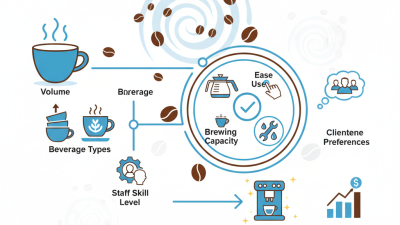
Choosing the best cup machine starts with real demand, not the largest advertised output. Buyers should compare hourly capacity with actual production needs, including changeovers, cleaning, and short stoppages. A machine rated for 100 cups per minute may produce far less during a busy shift. I have seen this gap confuse otherwise careful purchasing teams.
Automation should match the operator’s skill level and maintenance resources. Automatic feeding, forming, sealing, and quality checks can reduce labor and improve consistency. However, complicated controls may create longer downtime when trained technicians are unavailable. Ask for fault records, spare-parts access, remote support, and operator training. A simple manual adjustment can sometimes outperform an advanced feature that nobody uses correctly.
Energy efficiency requires measurable evidence. Request power consumption per thousand cups, not only motor wattage. Check heating zones, standby settings, insulation, compressed-air demand, and recovery time after pauses. Regional voltage and grid stability also affect performance. Buyers should test the machine with their own cup material and target speed. This matters. A trial may reveal uneven sealing, excessive heat loss, or waste that brochures do not mention. Capacity, automation, and energy use must be evaluated together, because improving one area can quietly increase costs elsewhere.
For global buyers, cup-machine selection depends less on speed alone and more on compliance and support. ISO 12100 requires documented risk assessment, while ISO 13849-1 guides safety-related control systems. Electrical systems should also follow IEC 60204-1. CE marking may support European entry, but it is not a universal approval. Local import rules still matter. Ask for test records, wiring diagrams, material certificates, and a factory acceptance test before shipment. Paper quality also affects forming stability. Smithers’ The Future of Global Packaging to 2028 forecasts the packaging market will approach 1.2 trillion US dollars by 2028, increasing pressure for efficient, traceable equipment.
After-sales service often decides whether production recovers in hours or days. Confirm spare-parts availability, remote diagnosis, technician response time, and training coverage. A practical contract should define critical-part delivery targets, software access, and warranty exclusions. Keep at least one complete sensor set and heating element set locally. It is not glamorous, but it prevents avoidable downtime. PMMI’s 2024 State of the Industry reporting continues to identify labor availability and technical skills as major packaging-sector concerns. Therefore, choose machines with clear interfaces, multilingual manuals, and guided fault codes.
Do not trust certificates blindly. During supplier audits, buyers should compare the certificate number with the actual machine configuration. A polished demonstration may hide difficult cleaning points or unstable sealing at higher speeds. Request continuous production samples, energy readings, noise measurements, and a documented SAT after installation. My own purchasing assumption would be simple: the cheapest machine is rarely the lowest-cost machine. Yet service promises should also be challenged, because vague guarantees become expensive lessons.