

Blog

What Is a Cat Litter Box and How Does It Work?

A Cat Litter Box is more than a plastic container filled with granules. It is a private indoor toilet that helps a cat bury urine and feces, control odors, and feel secure. Most boxes use absorbent litter, while clumping formulas form firm masses around moisture. This makes daily removal easier. Some designs use liners, filters, or automatic rakes, but simple equipment can work well.

Cat behavior consultant Dr. Mikel Delgado describes litter boxes as “one of the most important resources in your cat’s environment.” That idea changes how owners choose and maintain them. A box should offer enough room for the cat to turn, scratch, and enter without touching its sides. Low edges may help kittens or older cats. An uncovered model often improves ventilation and gives nervous cats a clearer view.

The basic process is straightforward. The cat enters, digs a shallow area, eliminates, and covers the waste. The litter absorbs liquid or locks it into clumps. Owners then remove soiled material and restore a clean surface. Placement matters, too. A quiet corner can feel safer than a busy hallway. Keep food and water away from the toilet area.

A daily scoop helps.

Experience shows that cats can reject a box for surprisingly small reasons, including strong fragrance, rough litter, or a dirty corner. I may prefer a stylish covered design, but the cat decides whether it works. No setup is perfect. Watch behavior, adjust gradually, and consult a veterinarian when sudden litter-box avoidance appears.
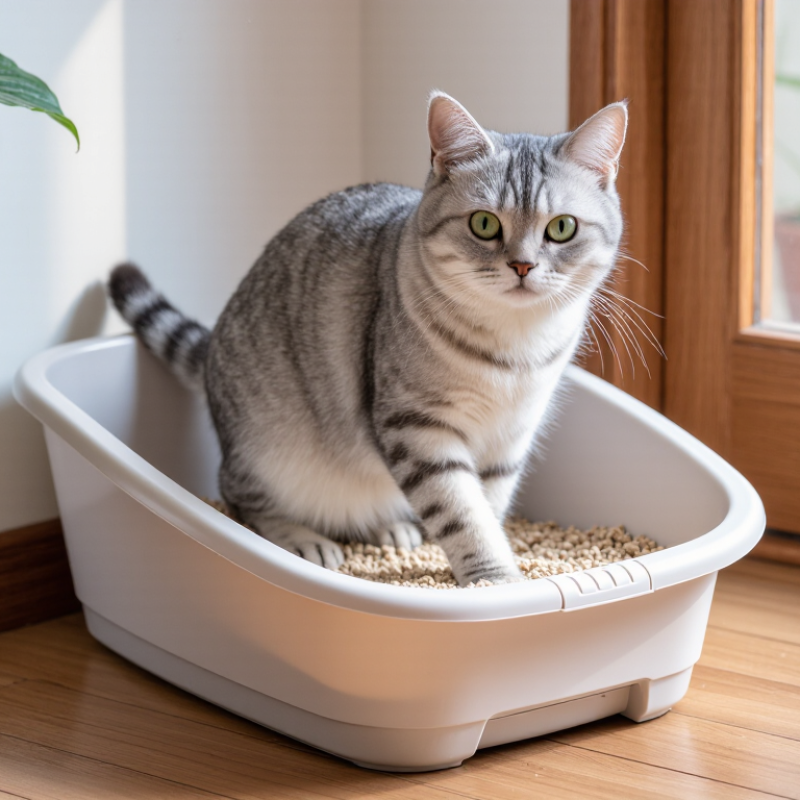
What Is a Cat Litter Box and How Does It Work?

Definition and Basic Purpose of a Cat Litter Box

What Is a Cat Litter Box and How Does It Work?

A cat litter box is a controlled indoor toilet area filled with absorbent material. It gives a cat a place to urinate, defecate, dig, and cover waste. The box does not “train” every cat automatically. Instead, its shape, location, cleanliness, and litter texture support natural elimination behavior. The American Pet Products Association’s 2023–2024 National Pet Owners Survey estimates that 46.5 million U.S. households own cats. That figure shows why basic litter-box design matters in everyday homes.

Most boxes hold clumping clay, paper, wood, or another absorbent substrate. Urine moves into the litter, while solid waste remains easier to remove. A suitable box should let the cat turn around without touching the walls. Feline environmental guidelines commonly recommend one box per cat, plus one extra. This reduces competition and helps prevent avoidance. In practice, even a good box can fail when placed beside a washing machine, food bowl, or busy doorway. I used to view cleaning as the main issue, but location may matter just as much. Cats can be surprisingly particular.

Tips: Scoop solid waste daily and remove wet clumps regularly. Wash the box with mild, unscented soap. Avoid sudden litter changes. If a cat suddenly stops using the box, consult a veterinarian, because pain or urinary disease may be involved. A covered box may seem tidy, but some cats dislike trapped smells. That detail is easy to miss.

Main Parts and Materials Used in Its Construction

A cat litter box is a controlled toilet area with three basic jobs: contain litter, resist moisture, and allow easy cleaning. Its main parts usually include a basin, rim, entry opening, and sometimes a removable sieve or cover. The basin is commonly made from polypropylene or ABS plastic. These materials are light, inexpensive, and fairly resistant to urine and household cleaners. Smooth walls matter. Scratched plastic can hold odor and moisture.

The design is simple, but material choices still affect daily hygiene. A higher rim helps reduce scattered litter, while a low entrance supports older or less mobile cats. Some models use carbon filters, metal fasteners, or recycled plastic components. Each choice has trade-offs. Metal may resist staining, yet it can feel cold and increase weight. Recycled plastic can reduce virgin material use, but its consistency needs careful inspection. I would not treat every “odor-control” feature as equally effective.

The APPA 2023–2024 National Pet Owners Survey reports pet ownership in 66% of U.S. households, highlighting the importance of durable daily-use equipment. Grand View Research estimates the global cat litter market reached about USD 10.8 billion in 2023. That figure reflects a large category, not proof that every box performs well. In practical testing, corners and hinges often deserve more attention than appearance. They are easy to overlook. Yet they collect residue quickly.

What Is a Cat Litter Box and How Does It Work? — Main Parts and Materials Used in Its Construction

Main Part or Dimension Typical Material or Specification How It Works Practical Considerations
Base pan Molded polypropylene or other durable, non-porous plastic Holds the litter and collects urine, feces, and loose particles. A smooth surface is easier to empty and clean because waste is less likely to adhere.
Side walls Rigid or semi-rigid plastic, commonly molded as part of the pan Contain litter and help reduce scattering when a cat digs or covers waste. Higher walls can limit tracking and spraying, but very high sides may be difficult for kittens, older cats, or cats with limited mobility.
Entry opening Open-top design or a cutout in a covered plastic enclosure Provides access for the cat to enter, turn around, dig, and leave. The opening should be easy to access and large enough for the cat to move comfortably.
Covered hood Lightweight molded plastic, usually removable for cleaning Creates an enclosed space that can help contain litter and provide privacy. A hood does not eliminate odors by itself; ventilation and frequent waste removal remain important.
Entry flap or door Flexible vinyl, rubber-like plastic, or a hinged rigid panel Partly closes the entrance to help retain litter and reduce the escape of odors. Some cats may avoid a flap if it restricts visibility or movement.
Litter bed Clumping clay, non-clumping clay, silica gel, recycled paper, wood, or plant-based granules Absorbs moisture, controls liquid waste, and provides a diggable surface for burying waste. Many cats prefer unscented, fine-textured litter. The selected type should be compatible with the cat and cleaning routine.
Recommended litter depth Approximately 5–7 cm (2–3 in) for many standard litter boxes Provides enough material for digging and covering without unnecessarily filling the pan. The ideal depth varies with litter type and the cat’s digging habits; follow the litter manufacturer’s guidance when available.
Rim or reinforced edge Thickened molded plastic or a detachable plastic rim Adds rigidity and may help keep litter inside the box during digging. A detachable rim can simplify cleaning but may create seams where residue can accumulate.
Non-slip feet or base Rubber, thermoplastic elastomer, or textured plastic Helps keep the box stable when the cat enters, exits, or digs. The floor beneath the box should be level and protected from moisture.
Odor-control filter Activated carbon or charcoal insert, usually positioned in a covered lid Adsorbs some odor molecules from air moving through the filter. Filters have limited capacity and require periodic replacement; they do not replace routine scooping.
Scoop Plastic, aluminum, or stainless steel with slotted openings Separates urine clumps and feces from clean litter while allowing loose granules to fall through. Slot size should match the litter granule size to reduce clean litter waste.
Waste-removal system Manual scoop, sifting tray, rotating drum, or automated rake mechanism Removes solid waste and, in some designs, separates soiled litter from reusable litter. Mechanical and automated designs contain more moving parts and require regular inspection and cleaning.
Overall size and usable area A commonly recommended interior length is about 1.5 times the cat’s body length, excluding the tail Provides room for the cat to turn around, choose a spot, dig, and cover waste. The usable interior space matters more than the exterior dimensions, especially for covered boxes.
Cleaning and sanitation Warm water and mild, unscented detergent; replace litter as needed Removes residue and limits the buildup of bacteria and odor-producing waste. Scoop solid waste at least daily, wash the box regularly, and dry it fully before adding fresh litter.

How a Cat Litter Box Works During Daily Use

A cat litter box gives a cat a private place to urinate and defecate indoors. It usually contains a shallow layer of absorbent litter inside a sturdy tray. During daily use, urine moves through the litter, while solid waste stays near the surface. Clumping litter forms a firm mass around moisture, making removal easier. Non-clumping litter absorbs liquid without creating a scoopable lump.

In daily care, I check the box at least once each day. I remove feces and wet litter with a scoop, then level the remaining material. This keeps the surface familiar and reduces strong odors. A box that feels crowded or smells heavily may discourage use. Cats notice small changes. The tray should be large enough for the cat to turn around comfortably. Low edges can also help older cats step inside.

I once assumed a full litter replacement solved every odor problem. It did not. The tray itself needed washing with mild soap and thorough drying. I avoid harsh scents because some cats may reject a perfumed toilet area. Fresh litter should usually maintain a consistent depth, often around five to seven centimeters. The exact amount depends on the cat’s digging habits. A sudden change in urination, stool, or box avoidance deserves veterinary advice, especially when it continues beyond a day. Keep it clean. Keep it predictable.

Different Types of Cat Litter Boxes and Their Features

A cat litter box is a private toilet for indoor cats. It holds absorbent litter and helps control moisture and odor. Most cats enter, dig, urinate or defecate, then cover the waste. The box does not clean itself unless it has a mechanical system. Daily scooping remains important. A dirty box may cause avoidance, stress, or accidents outside the box.

Open boxes are simple, affordable, and easy to inspect. They suit many cats, especially those that dislike enclosed spaces. Covered boxes provide more privacy and can reduce scattered litter. However, odors may build up inside. Top-entry boxes limit tracking, but older, overweight, or stiff cats may struggle to climb in. Self-cleaning models remove waste automatically, yet they require power, careful setup, and regular inspection. No design is perfect. A cat may reject an expensive box for a surprisingly small reason.

Tips: Choose a box at least one and a half times your cat’s body length. Place it in a quiet area, away from food and loud appliances. Keep one box per cat, plus one extra when possible. Low-sided boxes help kittens and senior cats. Wash the box with mild, unscented soap, and replace damaged plastic. If your cat suddenly avoids the box, consult a veterinarian, because pain or urinary problems may be involved.

What Is a Cat Litter Box and How Does It Work?

Typical feature ratings for different types of cat litter boxes

A cat litter box provides a designated area where cats can urinate and defecate in absorbent litter. Open boxes are usually easiest to access and clean, while hooded and top-entry boxes can provide greater privacy and odor containment. Self-cleaning boxes reduce daily scooping but require more maintenance and may be less suitable for cats that dislike mechanical noise. Ratings use a practical 1–5 scale, where 5 indicates a stronger feature.

Cleaning, Maintenance, and Safe Placement Guidelines

A cat litter box is a private toilet that holds absorbent litter.

Cats dig, eliminate, and cover waste to control odor. The box works best when it stays predictable, dry, and easy to enter. In my experience, a dirty box can change a cat’s behavior quickly. Small clues matter.

Scoop urine clumps and solid waste at least once daily.

Busy households may need two cleanups. Replace soiled litter and refill it to a moderate depth, usually five to seven centimeters. Wash the empty box weekly with warm water and mild, unscented soap. Rinse it thoroughly, then dry it completely. Strong fragrances can discourage use. I once cleaned too aggressively and learned that “fresh” to humans may feel overwhelming. Avoid mixing cleaning chemicals.

Place the box in a quiet, well-ventilated area with steady access.

Keep it away from food, water bowls, washing machines, and sudden foot traffic. A low-entry box helps kittens, older cats, and pets with limited movement. Provide one box per cat, plus one extra when space allows.

Watch for straining, blood, repeated accidents, or sudden refusal to use the box.

These signs need prompt veterinary advice. Wear gloves when cleaning and wash your hands afterward. Inspect the box for cracks, because damaged surfaces can trap odor and bacteria.

Article Source:

Now Hiring!