How to Choose a 250cc Dirt Bike in 2026?
In 2026, choosing a 250 Cc Dirt Bike is less about chasing the newest model and more about finding a machine that suits your riding, body, and experience. A bike that feels manageable on a short dealer test ride may behave differently on a rocky climb or a muddy trail. Small details matter: seat height, throttle response, suspension feel, and how easily you can reach the controls. Fit matters.
This guide looks at the practical differences between bike types, engine designs, and intended uses, then explains what to check before buying. Model specifications and features can change, so confirm details with the manufacturer or an authorized dealer rather than relying on an old listing. Consider maintenance needs, parts availability, warranty coverage, and the total cost of ownership—not just the advertised price. Ask to sit on the bike, inspect its condition, and arrange a proper test ride where available. That matters.
There is no perfect choice for every rider. A lightweight, lively bike might feel exciting but tiring; a calmer setup might be easier to control yet less engaging on faster terrain. I would not pretend a specification sheet can settle that question. Your comfort and skill level deserve equal weight. The sections ahead offer a grounded way to compare options, spot trade-offs, and make a more confident decision without assuming that the most powerful or newest model is automatically the right one.
Identify Your Riding Style and Intended Terrain
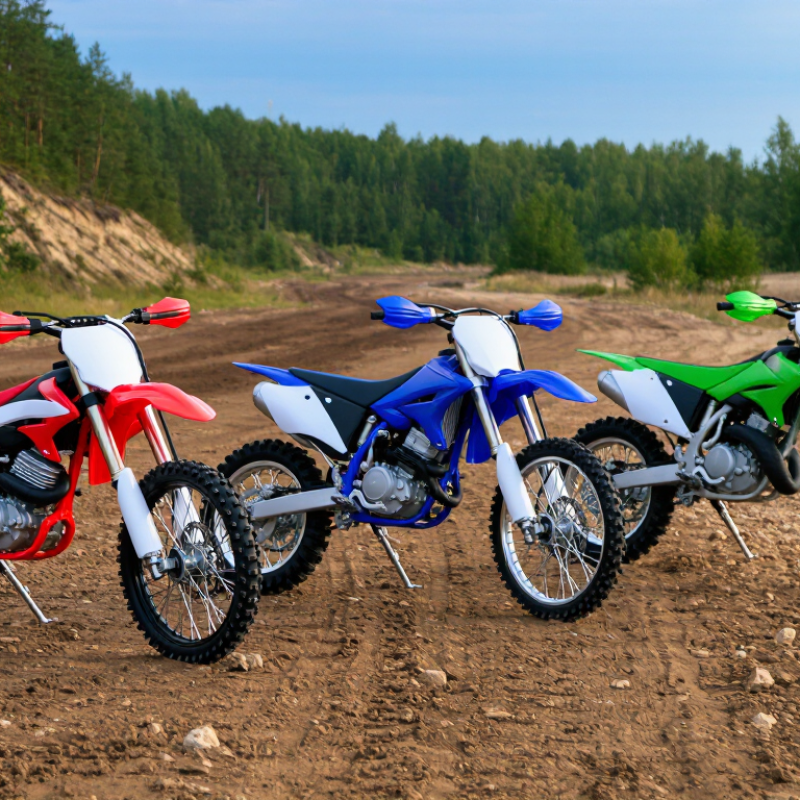
A 250cc dirt bike can feel calm on one trail and demanding on another. Start by naming the riding you expect to do most: flowing forest paths, open desert tracks, tight woods, or occasional laps on a motocross circuit. Each setting asks for different handling, suspension, and power delivery. Be specific. “Mixed terrain” might mean packed dirt with a few rocky climbs, or deep sand and repeated jumps.
Terrain under the tires matters as much as distance. Soft ground can make a heavier bike tiring to steer, while rocks and roots reward stable suspension and predictable throttle response. On narrow trails, consider seat height, turning room, and how easily you can place a foot at a stop. For faster, rougher routes, suspension travel and ground clearance deserve closer attention. Short rides reveal a lot. Notice whether your hands tense up or the front end feels busy.
Be honest about your skill and stamina, not just your plans. A 250cc engine does not guarantee an easy ride; gearing, weight, and engine character change the feel substantially. If possible, test a similar bike on familiar ground before deciding. Your first terrain estimate may be wrong, and that is useful information. Revisit it after a few rides, especially if most of your time shifts from open tracks to tight, uneven trails.
Choose Between Two-Stroke and Four-Stroke Engines
How to Choose a 250cc Dirt Bike in 2026?
Choose Between Two-Stroke and Four-Stroke Engines
A 250cc label does not tell the whole story. Two-stroke and four-stroke engines deliver power differently, and that difference can shape your ride. A two-stroke is often lighter and responds quickly when the engine enters its powerband. On a tight trail, that lively feel can be exciting. It can also surprise a newer rider.
A four-stroke usually offers smoother, more predictable power and useful engine braking on descents. That can make it easier to manage in slippery corners or over rocky ground. The trade-off is often extra weight. Neither design is automatically easier to maintain: service intervals and costs depend on the specific engine, so check its owner’s manual before buying.
Think about where you ride and how you like to control the bike. If you can, test both on familiar terrain. Notice how each responds when climbing slowly, turning, and recovering from a stall. Small details matter. I would not choose by peak power alone; I once underestimated how tiring a sharp powerband could feel after a long, bumpy ride. Consider your experience, access to a mechanic, and comfort with routine maintenance.
Compare Fit, Power, Suspension, and Braking
A 250cc dirt bike should fit your body before its specifications impress you. Sit on it wearing your usual riding boots, then check whether you can reach the bars without locking your elbows. Stand on the pegs and shift your weight forward and back. Small details matter. Seat height alone can mislead; seat width and suspension sag change how tall a bike feels. If you are between sizes, compare the controls and balance, not just the number on a chart. A bike that feels manageable in a parking area may still feel tiring on a long, rutted trail.
Power delivery matters more than peak figures for many riders. A smooth throttle can make rocky climbs easier, while a sharper response may suit open terrain but demand more control. Consider where you will ride most often. Then look at suspension adjustment, travel, and how readily a shop can set sag for your weight. A soft setup may bottom over repeated bumps; a firm one can feel harsh on roots. Braking should feel progressive and predictable, not grabby. Check lever reach, tire condition, and brake response during a careful test ride. A specification sheet cannot settle every question, and I would be cautious about treating one short ride as a final verdict.
Check Reliability, Safety Features, and Ownership Costs
A 250cc dirt bike can feel manageable in a parking lot and demanding on a rocky climb. Check reliability through maintenance records, not just a clean exterior. Ask when the air filter, oil, chain, and valve clearances were last inspected. Cold-start it if possible; listen for uneven rattling and watch for smoke. One quick inspection cannot predict every repair, though.
Safety features matter most when they suit your riding conditions. Look for predictable brakes, tires with usable tread, and levers that are not bent or cracked. Check that the throttle returns freely and the engine stops with the kill switch. Fit matters, too: you should reach the controls comfortably while wearing boots and gloves. Take a cautious test ride. A bike that feels tall at a standstill may feel different on uneven ground.
Ownership costs extend beyond the purchase price. Budget for protective gear, routine fluids, filters, tires, and occasional repairs. Ask a local mechanic about common service needs for the bike’s design, then price parts before committing. Storage and transport can add costs that are easy to overlook. I have seen careful buyers miss small expenses, especially after a muddy weekend. Leave room in your budget for surprises.
Evaluate 2026 Models and Arrange a Test Ride
Compare 2026 250cc dirt bikes by intended use, not displacement alone. Trail models often prioritize smooth low-speed control, while competition models may feel sharper and need more frequent maintenance. Check seat height, curb weight, suspension adjustments, and service intervals in each model’s official specifications. Small details matter: a firm seat can feel fine in a showroom and tiring after an hour.
The Motorcycle Industry Council’s 2023 U.S. retail sales report recorded an 8.7% year-over-year decline in off-highway motorcycle sales. That figure describes the market, not the quality of any particular bike. Use it as context, then compare current prices, parts availability, and warranty terms with a dealer. Bring your usual riding boots and note whether you can reach the ground comfortably. Feel the difference.
Arrange a supervised test ride where the dealer permits one, and ask about the route, bike setup, and protective gear beforehand. Try slow turns, standing on the pegs, and controlled braking on familiar terrain. Pay attention to throttle response and suspension over small bumps, not just top speed. Afterward, write down what felt predictable and what did not. I would not choose from one short ride alone; fatigue and unfamiliar controls can distort first impressions. Check the same points on each available 2026 model, then compare notes before deciding.