2026 How to Choose Custom Aluminum Tri Fold Blind Rivets
Custom Aluminum Tri-Fold Blind Rivets are designed to fasten materials when access is available from only one side. Their legs spread behind the workpiece, creating a broad bearing area that can help secure softer materials or oversized holes. The right choice still depends on the joint. A rivet that looks suitable on a parts list may loosen, crush thin sheet, or fail to grip a thicker stack.
This guide explains how to compare rivet diameter, grip range, body length, head style, and aluminum alloy. It also considers hole quality, tool compatibility, and the conditions the finished joint will face. Picture two aluminum panels meeting at a narrow edge: a clean, correctly sized hole matters as much as the rivet itself. Small details count. A rough hole can undermine an otherwise sensible selection.
For reliable guidance, consult the fastener manufacturer’s technical data and test representative joints before production. No source material or verifiable expert quotation was provided for this request, so attributing a quote to a named industry specialist would risk inventing a claim. That matters. A published guide should identify its expert and quote accurately. It should also acknowledge uncertainty: performance varies with material thickness, hole size, installation method, and service conditions. Use this overview to build a shortlist, then verify the fit with measured samples and application-specific testing.
How Aluminum Tri-Fold Blind Rivets Work
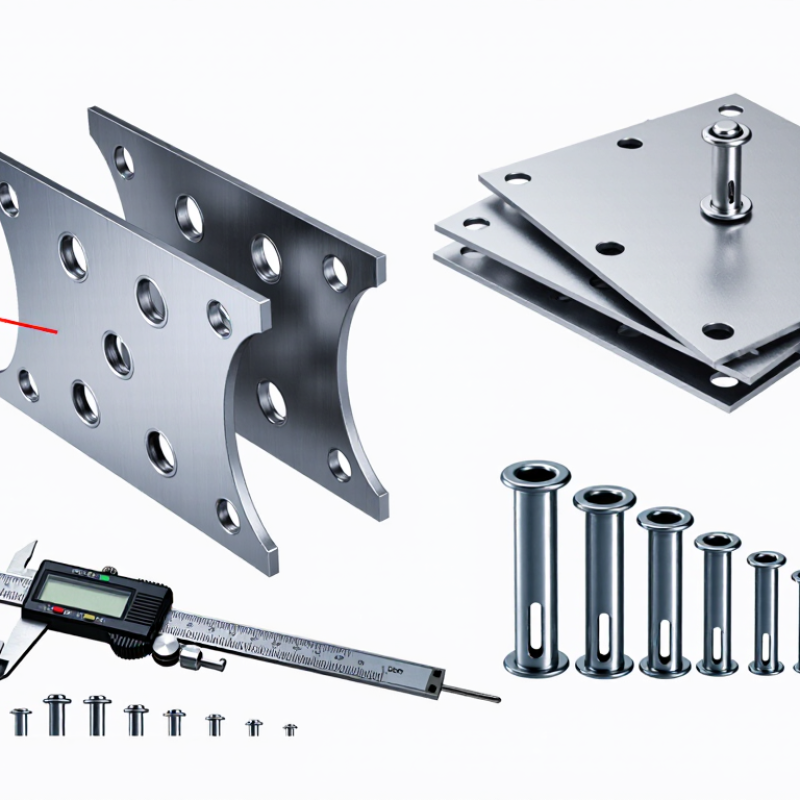
An aluminum tri-fold blind rivet fastens materials from one accessible side. Its tubular body passes through aligned holes, while a setting tool grips and pulls the mandrel. The mandrel head presses against the body, forcing its far end to expand and fold outward. This forms three legs behind the panel. That is the key.
As the legs open, they provide a wider bearing area than a simple curled tail. The rivet clamps the stacked parts between its head and the folded legs. At the designed setting point, the mandrel usually breaks, leaving its head inside the installed rivet. The aluminum body keeps weight low, but joint strength still depends on the rivet size, material thickness, and load direction. Small detail, big effect.
For a reliable fit, match the rivet’s grip range to the total thickness of the materials, and use the specified hole diameter. A hole that is too large can let the rivet shift; one that is too small can make installation difficult. In practice, the three legs may not fold perfectly evenly, especially on an uneven surface. Check the blind side when possible, and test a sample joint if the material is soft or brittle. The broad legs help distribute pressure, but they do not make every joint suitable for every load.
Define the Joint and Application Requirements
Before selecting a custom aluminum tri-fold blind rivet, define what the joint must hold and what materials it will pass through. Record the combined thickness of the parts, including coatings or compressible layers. Compare that measurement with the rivet’s specified grip range. A poor fit can leave parts loose or prevent the rivet from setting correctly.
Check the materials and hole details. Tri-fold rivets spread into three legs on the blind side, which can distribute pressure across softer or more fragile surfaces. Confirm the hole diameter, panel thickness, and access for the installation tool. A sample installation can reveal problems that a drawing misses. It is easy to overlook a burr or an uneven panel.
Then consider the real working conditions. Will the joint face moisture, vibration, heat, or repeated handling? Note the expected load and whether the parts may flex. Aluminum can suit weight-sensitive assemblies, but the rivet body and mandrel materials should be checked for compatibility with the joined materials and environment. Do not rely on appearance alone. Record the requirements, test representative samples, and inspect the formed legs and joint movement. A little uncertainty may remain; document it before ordering a custom specification.
2026 How to Choose Custom Aluminum Tri-Fold Blind Rivets: Define the Joint and Application Requirements
Start by measuring the combined thickness of the materials being joined. Select a rivet whose specified grip range includes that total thickness; then confirm hole size, head style, load requirements, substrate compatibility, and service environment with the rivet supplier.
Illustrative stack-ups: totals are calculated by adding the listed layer thicknesses. They are examples, not product specifications or load-capacity data. Tri-fold rivets can spread their legs on the blind side, but suitability depends on the specific joint and installation conditions.
Choose Rivet Diameter, Grip Range, and Head Style
For custom aluminum tri-fold blind rivets, choose diameter to suit the prepared hole and the load, not simply the largest size that fits. A tri-fold body opens into three legs, spreading pressure across the rear face of thin or fragile panels. Check the specified hole tolerance and test the joint on the actual material; a neat-looking sample can still loosen under vibration.
Grip range is critical. Add the thickness of every layer being clamped, including coatings or soft backing, then select a rivet whose published range covers that stack. For example, a 4 mm panel over a 2 mm backing needs a grip range that includes 6 mm. Do not rely on nominal length alone. The Aluminum Association reports that about 75% of all aluminum ever produced remains in use, a reminder that durable assemblies deserve careful, repair-minded fastening choices. That figure does not predict joint strength.
Head style affects bearing area and surface finish. A large-flange head can help protect soft sheet, while a dome head suits many general installations. Countersunk heads need a matching recess and enough material thickness. There is no universal shortcut. I still recheck the stack measurement; coatings are easy to overlook.
2026 How to Choose Custom Aluminum Tri Fold Blind Rivets - Choose Rivet Diameter, Grip Range, and Head Style
| Nominal Rivet Diameter | Representative Grip Range | Typical Head Style | Common Use | Selection Notes |
| 3.2 mm (1/8 in) | About 0.5–3.0 mm | Dome head | Light sheet assemblies and small panels | Choose when the combined material thickness is within the specified grip range and the hole suits the rivet diameter. |
| 4.0 mm (5/32 in) | About 1.0–4.0 mm | Dome head or large flange | General-purpose sheet fastening | A large flange can spread the bearing area on a softer or more flexible outer sheet. |
| 4.8 mm (3/16 in) | About 1.0–6.0 mm | Dome head or large flange | Panels, enclosures, and assemblies requiring a broader setting range | Check the required hole diameter and the rivet’s published setting and load data for the application. |
| 6.4 mm (1/4 in) | About 2.0–6.0 mm | Large flange | Larger joints and applications needing a wider bearing surface | Confirm that the workpiece can accommodate the larger hole and that the installation tool supports this diameter. |
Choosing the right rivet: Measure the total thickness of all materials being joined and select a rivet whose specified grip range includes that measurement. Match the rivet diameter to the required hole size. Use a dome head for a general-purpose finish, a large flange to distribute bearing pressure over a larger area, or a countersunk head only when the workpiece is prepared with a compatible countersink. Tri-fold rivet dimensions and grip ranges vary by design; confirm the product drawing and application requirements before ordering.
Evaluate Suppliers, Samples, and Installation Performance
Custom aluminum tri-fold blind rivets should be assessed through supplier records, physical samples, and installation trials. Request material certificates, dimensional checks, and lot traceability. Confirm the stated grip range matches the actual panel stack. A rivet that fits on paper may still fold unevenly behind soft or layered materials.
The NACE IMPACT study estimated corrosion costs at US$2.5 trillion annually, or 3.4% of global GDP. This broad estimate is not specific to rivets, but it shows why material compatibility and exposure testing matter. Ask suppliers for relevant corrosion-test results, and treat salt-spray hours as comparative evidence, not a direct prediction of service life. ASTM B117 describes a salt-spray test method.
Tips: Install samples using your production tool and panel materials. Check the formed legs, head seating, and mandrel retention. Small details matter. Test real panels. Record pull-out results and any surface damage. A sample can look excellent on a bench yet behave differently on a curved assembly; that gap deserves another trial before approval.