Blog

How to Choose the Best Hiking Boots for Every Terrain

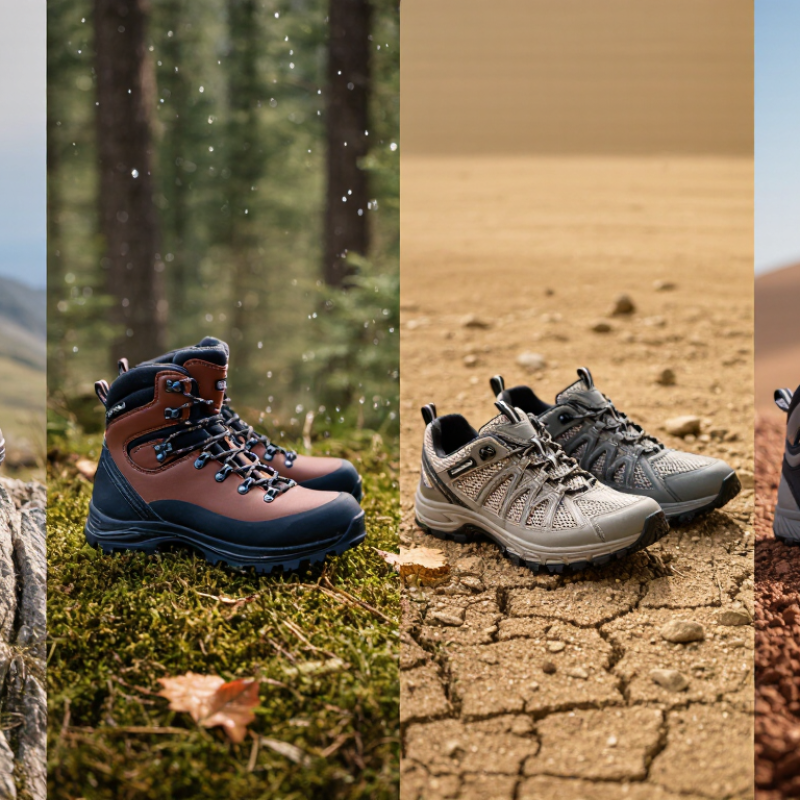
Choosing the best Hiking Boots begins with the ground beneath your feet, not the logo on the tongue. Rocky alpine paths demand protection and ankle stability. Muddy forest trails need aggressive lugs and dependable waterproofing. Dry desert routes often reward lighter boots, breathable materials, and flexible midsoles. Small choices become noticeable after six hours, especially when grit enters your socks.

The Outdoor Foundation’s 2024 Outdoor Participation Trends Report recorded 61.4 million American hiking participants in 2023. That figure shows how many feet need reliable equipment across changing environments. Meanwhile, market research reports identify durability, comfort, and weather resistance as major purchasing factors in hiking footwear. These trends sound straightforward. Real feet are less cooperative.

Long-distance hiker and author Andrew Skurka offers a useful principle: “The best footwear is the footwear that works best for you, on the terrain and in the conditions you hike in.” His advice challenges universal recommendations. A stiff boot may protect one hiker on scree but frustrate another on smooth, wet paths. Fit must account for toe room, heel movement, sock thickness, and swelling during long walks. Try boots late in the day, when feet are naturally larger. Walk downhill, too. That is where hidden pressure often appears.

This guide compares Hiking Boots by terrain, climate, distance, and load. It considers traction patterns, waterproof membranes, cushioning, weight, and break-in time. No boot excels everywhere. That limitation matters. Your safest choice may be less fashionable, slightly heavier, or imperfectly waterproof. Reliable decisions come from matching the boot to the route, then testing it before the trailhead.

How to Choose the Best Hiking Boots for Every Terrain

Understanding Terrain Types and Their Hiking Demands

How to Choose the Best Hiking Boots for Every Terrain

A hiking trail can change quickly, so terrain should guide your boot choice. Smooth paths and packed dirt usually need flexible shoes with moderate traction. They feel lighter during long, steady walks. Gravel slopes require deeper lugs and a firm sole for better control. Small stones can roll beneath your feet.

Rocky trails demand protection and stability. Look for a reinforced toe, supportive midsole, and a secure heel fit. Muddy ground needs widely spaced lugs that release dirt instead of collecting it. Wet roots are especially slippery. Grip matters more than ankle height there. Snow and cold conditions require insulation, waterproof construction, and enough room for warm socks. Read the trail forecast.

Your own experience also matters. A stiff boot may protect your feet on sharp rocks, but it can feel tiring on flat ground. Waterproof materials keep rain out, yet they may hold sweat during warm hikes. Fit beats reputation. Try boots with the socks you normally wear, then walk downhill to check for toe pressure. I once chose a heavily structured pair for a short, muddy route and regretted the weight after an hour. That mistake taught me to match protection with actual trail demands. Test the boots gradually before a remote hike, because comfort often reveals problems that specifications cannot.

How to Choose the Best Hiking Boots for Every Terrain - Understanding Terrain Types and Their Hiking Demands

Terrain Type Typical Surface and Conditions Primary Hiking Demands Recommended Boot Structure Outsole and Lug Guidance Waterproofing and Breathability Ankle and Cushioning Needs Best Choice for
Paved Trails and Easy Paths Firm pavement, compact gravel, park paths, and well-maintained lowland trails with few obstacles. Comfort, low weight, smooth walking, and sufficient grip without excessive stiffness. Light hiking shoes or flexible low-cut boots with a cushioned midsole and breathable upper. Shallow multidirectional lugs, generally about 2–3 mm, provide adequate traction and roll smoothly on hard surfaces. Breathability is usually more valuable than full waterproofing in dry, warm conditions. Moderate cushioning and neutral support are normally sufficient; high ankle support is rarely necessary. Day hikes, urban-to-trail routes, and dry recreational walks.
Forest and Mixed Woodland Trails Leaf litter, soil, roots, small stones, mud patches, and occasional wet sections. Reliable traction, flexibility, comfort, and protection from roots and uneven ground. Low- or mid-cut hiking boots with a reinforced toe, stable heel counter, and moderately flexible midsole. Moderate lugs, about 3–4 mm, with varied edges help grip soil while remaining comfortable on firm sections. Water-resistant materials are useful; waterproof membranes help in rain but may reduce ventilation. Moderate ankle coverage and cushioning improve comfort on uneven surfaces without adding unnecessary bulk. Regular day hikes and variable three-season woodland routes.
Rocky and Technical Trails Exposed rock, sharp edges, uneven slabs, loose stones, and frequent foot placement changes. Edge control, underfoot protection, torsional stability, and precise traction. Supportive mid-cut or sturdy low-cut boots with a firm midsole, protective rand, and structured upper. Firm rubber with approximately 3–5 mm lugs and defined edges supports grip and edging on rock. Moderate weather protection is useful; excessive insulation can make technical movement less comfortable. A secure heel, supportive footbed, and firm cushioning help reduce fatigue and protect against sharp terrain. Experienced hikers, rugged day hikes, and technical approach-style trails.
Muddy and Soft Ground Wet soil, clay, deep mud, saturated grass, and surfaces that deform underfoot. Self-cleaning traction, stability, water resistance, and secure footing on slippery ground. Mid- or high-cut boots with a durable upper, gusseted tongue, supportive heel, and secure lacing system. Deep, widely spaced lugs, commonly about 4–6 mm, shed mud more effectively than closely packed shallow lugs. Waterproof construction is valuable, but a breathable lining and moisture-wicking socks remain important. Moderate-to-firm cushioning and increased ankle coverage help when the ground is unstable. Wet-season hiking, boggy paths, and muddy countryside routes.
Steep Ascents and Descents Sharp elevation changes, sloping trails, loose soil, rock steps, and braking forces during descents. Traction, heel braking, climbing grip, balance, and a precise fit that prevents foot movement. Supportive mid-cut boots with a firm heel counter, secure lacing, and a stable platform. Directional lugs with pronounced heel braking edges, typically around 4–5 mm, support uphill and downhill movement. Choose waterproofing according to climate; prioritize a secure fit over added weather features. Moderate ankle support and firm heel hold are more important than plush cushioning. Mountain day hikes and routes with sustained elevation gain or loss.
Scree and Loose Gravel Unstable small rocks, loose gravel, talus, and surfaces that slide beneath the foot. Foot stability, protection from rolling stones, precise placement, and resistance to abrasion. Sturdy mid-cut boots with a protective toe cap, reinforced upper, and relatively firm sole. Firm, moderately deep lugs with strong edges, about 4–5 mm, provide traction without feeling overly soft. Durable, abrasion-resistant materials are important; waterproofing is secondary unless precipitation is expected. Good heel containment and a stable platform help limit side-to-side movement on shifting ground. Rocky mountain trails and routes covered with loose debris.
Wet Rock and Stream Crossings Rain-soaked slabs, damp roots, shallow streams, slick stones, and frequently changing moisture levels. Wet-surface grip, balance, quick drainage or waterproofing, and secure contact with the ground. Low- or mid-cut boots with a well-fitting heel, flexible forefoot, and protective, quick-drying upper. Sticky, high-friction rubber with closely controlled edges and moderate lugs, around 3–4 mm, suits rock and mixed surfaces. For frequent immersion, fast-draining footwear may be preferable; for persistent rain, waterproof boots offer better dryness. Moderate cushioning and a stable heel help maintain balance on slick, uneven surfaces. Rainy trails, canyon routes, and hikes involving regular stream crossings.
Snow and Cold Winter Trails Packed snow, fresh snow, icy patches, frozen soil, and low temperatures. Warmth, insulation, traction, moisture protection, and compatibility with traction devices. Insulated, waterproof mid- or high-cut boots with a stiff enough sole for secure movement in snow. Deep, flexible lugs can help in snow; on ice, use compatible traction devices because ordinary lugs alone are unreliable. Waterproofing and insulation are essential, but excessive warmth can cause sweating during strenuous climbs. Higher ankle coverage and room for properly fitted winter socks are important; avoid a cramped toe box. Winter day hikes, snowy forest routes, and cold-weather walking.
Long-Distance and Backpacking Routes Extended mileage across mixed terrain while carrying food, water, clothing, and overnight equipment. Load support, durability, comfort over many hours, blister prevention, and dependable weather protection. Supportive mid- or high-cut boots with a durable upper, stable midsole, strong heel counter, and secure lacing. Versatile 3–5 mm lugs balance grip, durability, and efficiency across multiple surfaces. Waterproofing is useful in persistently wet climates; in hot climates, ventilation and drying speed may be preferable. Choose cushioning and support according to pack weight, foot shape, and personal comfort rather than height alone. Multi-day hikes and heavier-load backpacking trips.
Selection note: Lug depths and boot categories are practical general guidelines, not strict standards. Fit is decisive: leave enough room for natural toe movement and downhill swelling, keep the heel securely held, and test boots with the socks you plan to hike in.

Matching Boot Categories to Trail Conditions

How to Choose the Best Hiking Boots for Every Terrain

Matching boots to trail conditions matters more than choosing the heaviest pair. I learned this after wearing stiff boots on a dry, easy path. My feet felt trapped, and every step became tiring. For packed dirt, maintained woodland trails, and warm weather, lightweight hiking shoes usually provide enough grip and flexibility. Choose a firm heel counter and a secure midfoot fit. Your toes still need room to move.

Rocky routes demand stronger protection. Look for boots with a stable sole, reinforced toe area, and ankle support. On loose gravel, deeper lugs can reduce slipping, but excessive stiffness may reduce ground feel.

Muddy trails need widely spaced lugs that shed soil instead of collecting it. Avoid smooth soles. They are poor partners for wet clay.

Wet crossings and snowy paths require different priorities. Waterproof materials help with shallow puddles, while taller collars protect against deeper water. However, waterproof boots can feel hot during long summer hikes. I once ignored this trade-off and finished with damp socks from sweat.

For snow, insulation and compatible traction matter more than flexibility. Fit boots with the socks you will actually wear. Walk downhill indoors if possible. Heel lift, numb toes, or pressure near the ankle can become serious problems after several hours. Terrain changes, so reassess your choice before every trip.

Evaluating Fit, Support, Traction, and Waterproofing

Fit should come before technical features. The Outdoor Industry Association’s 2024 report recorded 175.8 million U.S. outdoor participants in 2023. Many hikers now move across mixed surfaces, not only marked trails. Measure your feet late in the day, when swelling is greater. Leave roughly one thumb’s width before the longest toe. Your heel should stay still on descents. I once chose a tight pair for better control. After four hours, numb toes proved that judgment wrong.

Support depends on terrain, load, and ankle confidence. Lightweight boots suit maintained paths and small packs. Stiffer midsoles help on rocky ground or when carrying heavier gear. Bend the boot near the toes, not through the middle. A rigid heel counter can reduce unwanted movement, but excessive stiffness may feel tiring. Research published in the Journal of Foot and Ankle Research links poor footwear fit with pressure and discomfort, although individual foot shape still matters. No chart replaces a real fitting.

Traction needs a practical test. Press the sole onto wet stone, loose gravel, and polished indoor flooring. Deep lugs may grip mud, yet they can feel awkward on hard rock. Waterproof membranes help in rain, but they do not solve water entering over the collar. The EN ISO 20344 footwear standard uses laboratory water-resistance tests, not personal comfort scores. That distinction matters. Waterproof boots can also trap heat. After a warm hike, I sometimes prefer faster-drying footwear. My choice is not always consistent, and that is worth reconsidering.

Selecting Materials, Weight, and Durability for Your Needs

How to Choose the Best Hiking Boots for Every Terrain

Selecting Materials, Weight, and Durability for Your Needs

The right hiking boot begins with the ground beneath your feet. Smooth trails may suit lightweight synthetic boots with flexible soles. Rocky routes demand stronger midsoles and deeper lugs for reliable grip. Mud requires an outsole that sheds soil instead of holding it. I test boots on wet stones, loose gravel, and steep descents before trusting them on longer trips.

Material affects comfort, protection, and maintenance. Synthetic uppers usually dry faster and feel lighter during warm hikes. Full-grain leather offers strong abrasion resistance but needs time to soften. Waterproof membranes can help in rain, though they may feel warm during summer climbs. Check the tongue, seams, and ankle collar carefully. Small gaps often become uncomfortable after hours outside.

Weight matters more than many hikers expect. Heavy boots can protect your feet, but they also increase fatigue over uneven ground. A lighter pair may feel excellent on day one and less supportive under a loaded pack. I once chose flexibility over stability and regretted it on a sharp, rocky descent. That mistake changed my fitting routine. I now walk downhill, climb stairs, and bend my toes before buying. Leave enough space for swelling, but avoid heel movement. Durability is not only about thick materials; stitching, sole bonding, and repair options matter too. Some choices still involve compromise.

How to Choose the Best Hiking Boots for Every Terrain

Boot weight, materials, and durability should match the terrain. The chart shows practical target weights for a pair of hiking boots; lighter designs suit maintained trails, while heavier boots generally provide more structure, protection, insulation, and durability for demanding conditions.

Testing and Maintaining Hiking Boots Before and After Use

Before a hike, test your boots indoors with the socks you normally wear. Walk across hard floors, climb stairs, and squat slowly. Notice heel movement, toe pressure, and rubbing around the ankle. A secure heel should stay nearly still, while your toes need room to spread. Bend each boot near the forefoot. Stiff soles suit rocky trails, but flexible soles often feel better on smooth paths. For muddy ground, examine the lugs and check whether they shed dirt easily.

Test them outside before trusting them on a long route. Walk for thirty minutes on pavement, then try grass or loose soil. Pay attention to hot spots, slipping, and unusual foot fatigue. Do not ignore small discomforts. They rarely become smaller during a full day outdoors. I once dismissed a warm patch near my little toe. It became a painful blister before lunch. That mistake still influences my fitting routine.

After every hike, remove the insoles and loosen the laces fully. Brush away dried mud with a soft brush, especially around the sole edges. If the boots are wet, let them dry at room temperature. Avoid direct heaters, which can damage adhesives and stiffen leather. Check the tread, stitching, eyelets, and waterproof lining for changes. A simple paper test can reveal leaks: place dry paper inside, then pour a little water over the exterior. Do not soak the boots unnecessarily. Let them dry completely before storage, and record any pressure points for the next fitting.

Now Hiring!