How to Choose the Best Liver Cat Treats?
Choosing the right Liver Cat Treats can seem simple, but the label deserves careful attention. Liver may provide appealing flavor and useful nutrients, yet too much can upset a cat’s diet. Some treats are made with real liver, while others contain only liver flavoring. That difference matters. A clear ingredient list offers a better starting point than attractive packaging.
Look for treats with named animal ingredients, modest calories, and limited additives. The texture should match your cat’s age, dental condition, and eating habits. A soft cube may suit an older cat, while a crisp piece can offer a different experience. Check the package for feeding guidance, storage instructions, and a reliable manufacturer. Strong odors, damaged seals, or unclear wording deserve caution.
Portion size matters.
Veterinary nutrition guidance generally recommends treats as a small part of daily calories, not a replacement for complete cat food. Liver-rich products should be offered sparingly because excessive organ meat may disturb nutritional balance, including vitamin intake. Your cat’s weight, health history, and medications also affect suitable choices. A veterinarian can provide safer advice for cats with kidney, liver, digestive, or allergy concerns.
There is no perfect treat for every cat. A product that works for one household may cause vomiting or refusal in another. Monitor your cat after introducing a new option, and record the amount given. I would also reconsider treats that rely on vague claims, even when reviews sound enthusiastic. Careful selection, small portions, and honest observation make Liver Cat Treats a more responsible addition to routine care.
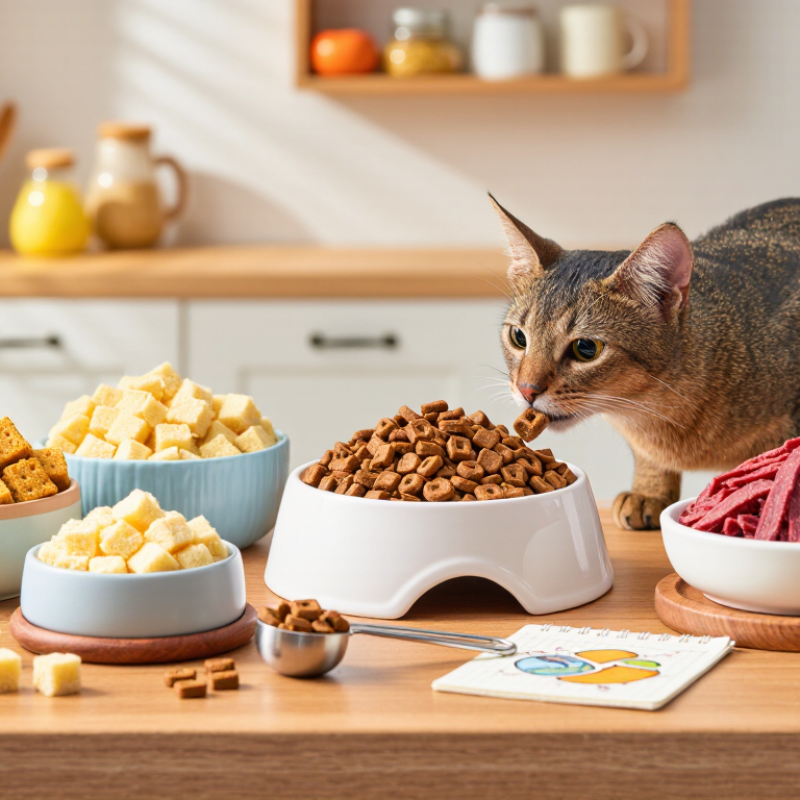
Understanding the Nutritional Value of Liver in Cat Treats
Liver can make a highly nutritious cat treat, but its value comes with concentration. The USDA FoodData Central database reports that 100 grams of raw beef liver provides about 20 grams of protein and more than 4,000 micrograms of vitamin A activity. It also contains meaningful copper, iron, and several B vitamins. These nutrients support vision, red blood cell formation, and normal energy metabolism. However, liver is not a complete diet. The National Research Council’s Nutrient Requirements of Dogs and Cats warns that excessive vitamin A can create health problems over time. Freeze-dried liver is especially dense because its water has been removed.
When choosing liver treats, check the ingredient list and feeding guidance. A single named liver ingredient is easier to evaluate than a vague “meat blend.” Look for calories per piece, moisture content, and the manufacturing country. WSAVA nutrition guidance recommends keeping treats below 10% of a cat’s daily calories. For a small cat, that allowance may equal only a few tiny pieces. My practical mistake was treating “natural” as automatically safe. It is not a nutritional measurement. Cats with kidney disease, copper-related disorders, or prescribed diets need veterinary advice before receiving liver treats. Professional guidance matters more than attractive packaging.
Tips: Break larger pieces into crumbs. Offer fresh water. Rotate with lower-risk treats. If vomiting, constipation, or unusual stiffness appears, stop and contact a veterinarian. Recheck the portion after opening, because appetite and body weight can change.
Checking Ingredients, Quality, and Safe Preparation
How to Choose the Best Liver Cat Treats?
Ingredient quality matters more than an attractive label. Choose treats listing liver clearly, without onion, garlic, xylitol, added sugar, or excessive salt. A short ingredient list is easier to evaluate. Liver provides protein, iron, copper, and vitamin A, but too much can create nutritional imbalance. The National Research Council’s Nutrient Requirements of Dogs and Cats identifies vitamin A as essential, yet excessive intake may harm cats over time. Treats should remain below 10% of daily calories, following guidance from the World Small Animal Veterinary Association’s Global Nutrition Guidelines. Check the calorie statement, not only the bag size.
Freshness and preparation also deserve careful attention. Select products with sealed packaging, traceable lot information, clear storage instructions, and an appropriate feeding guide. AAFCO nutrient profiles can help owners distinguish complete diets from supplementary treats, but they do not make every treat suitable for unlimited feeding. For homemade liver, rinse it, remove tough tissue, and cook it thoroughly without seasoning. Use a food thermometer. Avoid raw serving when bacterial contamination is possible. Refrigerate leftovers promptly and use them within three to four days, consistent with USDA food-safety guidance. Wash the cutting board afterward.
Small portions work best.
A practical mistake is guessing portion size by eye. I have found that tiny cubes can still add significant calories for a small cat. Monitor stool quality, appetite, and weight, then adjust slowly with veterinary guidance. Labels can look reassuring. They are not perfect.
Matching Liver Treats to Your Cat’s Age and Health
How to Choose the Best Liver Cat Treats?
Matching liver treats to your cat’s age and health requires more than checking the ingredient list. Kittens need balanced nutrition for growth, so treats should remain occasional. Choose small, cooked pieces with clear ingredients and no added salt. A pea-sized portion may be enough. Their stomachs are still developing.
Healthy adult cats can usually enjoy liver treats in moderation. Keep treats below about 10% of daily calories, and reduce meal portions slightly when needed. Liver is rich in vitamin A, copper, and calories. Too much may cause nutritional problems over time. I once assumed that natural treats were always harmless. That assumption was too simple.
Senior cats need closer attention. Cats with kidney disease may require restricted phosphorus, while overweight cats need leaner, measured portions. Cats with diabetes, digestive disorders, or diagnosed liver problems should receive veterinary guidance before eating organ-based treats. Watch for vomiting, loose stool, reduced appetite, or unusual thirst. Stop the treat if these signs appear. Never offer raw liver casually, because contamination risks are real. A veterinarian can review the treat alongside your cat’s full diet, medications, weight, and medical history.
How to Choose the Best Liver Cat Treats?
Matching Liver Treats to Your Cat’s Age and Health
Use the estimated daily treat budget as a practical limit when offering liver treats. Treats should generally provide no more than 10% of a cat’s daily calories. For example, a 4 kg healthy adult cat may have about 24 kcal available for treats per day; divide this number by the calories in one treat to determine a suitable portion.
Kittens need more energy for growth, while senior or weight-management cats may need fewer calories. Liver is nutrient-dense and high in vitamin A, so it should be offered occasionally rather than used as a major part of the diet. Cats with kidney disease, diabetes, obesity, food allergies, or other medical conditions should receive liver treats only with veterinary guidance.
Basis: estimated energy needs use RER = 70 × body weight0.75 for a 4 kg reference cat, with commonly used life-stage or health-condition starting factors. Individual requirements vary.
Comparing Labels, Brands, Storage Methods, and Overall Value
Choosing liver cat treats starts with the label, not the front-of-pack picture. The 2024 AAFCO Official Publication distinguishes complete diets from supplemental treats, so “complete and balanced” should not be assumed. Look for named liver, calorie content, guaranteed analysis, batch details, and a clear expiry date. WSAVA nutrition guidance recommends keeping treats below 10% of a cat’s daily calories. Liver is nutrient-dense, but frequent large portions may provide excessive vitamin A. Small pieces are safer. Ask a veterinarian when your cat has kidney, liver, or weight concerns.
Brand comparison requires more than price. Reliable manufacturers usually disclose processing locations, quality testing, and feeding guidance. APPA’s 2023–2024 National Pet Owners Survey estimated 46.5 million U.S. households owned cats, showing a large market with uneven product quality. A lower price per pouch may hide fewer calories, more moisture, or unclear sourcing. Calculate cost per 100 grams and per treat. I sometimes overvalue attractive packaging. That is a real weakness in my buying process.
Storage changes value and safety. Keep dry treats sealed in a cool, dry cupboard, away from sunlight. Refrigerate moist products after opening, following the package instructions. Mark the opening date. FDA pet-food handling guidance supports clean hands, utensils, and prompt disposal of spoiled food. A sour smell, sticky texture, or discoloration means discard it. Freezing may reduce waste, though texture can suffer. Not every label explains this well. That should make you hesitate.