
Corporate vending machines are changing from simple snack boxes into compact workplace retail systems. They now combine cashless payment, inventory software, nutrition choices, and flexible pickup. A chilled machine in an office lobby can provide breakfast, coffee, or a late afternoon meal within seconds.
The National Automatic Merchandising Association’s 2023 industry census valued U.S. vending sales at approximately $26.6 billion. Its findings also show stronger demand for healthier products and improved digital payment options. Cantaloupe’s 2024 Micropayment Trends Report found that cashless payments represented about 71% of vending transactions in 2023. Cashless purchases also produced higher average spending than cash transactions. These figures suggest a practical shift, not merely a technology trend.
As Cantaloupe CEO Ravi Venkatesan has stated, “The future of unattended retail is bright.” Corporate vending machines support that view by serving employees beyond fixed cafeteria hours. They can reduce queues, widen food access, and provide employers with real-time purchasing data. However, the model is not automatically successful. Poor product selection, empty shelves, and unclear pricing can quickly damage trust. A machine filled with unwanted snacks becomes expensive furniture.
This guide examines how corporate vending machines operate, where they create measurable value, and what buyers should evaluate. It considers payment security, replenishment speed, employee preferences, and workplace inclusion. The industry still has gaps. Reliable results depend on careful deployment, transparent data practices, and regular human review.
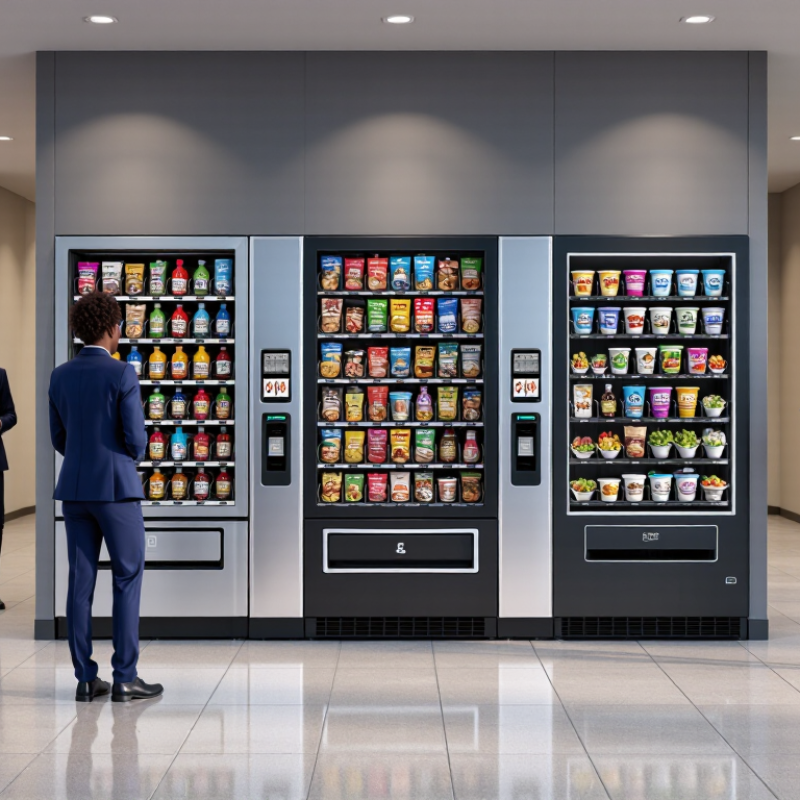
Corporate vending machines are automated retail stations placed inside workplaces, offices, warehouses, and commercial facilities. They provide convenient access to packaged food, drinks, personal care items, or basic work supplies. Employees usually select an item through a digital screen, card reader, mobile payment system, or cashless account.
Convenience is the central feature. A machine can serve workers during early shifts, short breaks, or busy periods when nearby stores are unavailable. Modern units often include touchscreens, product displays, temperature controls, and real-time inventory monitoring. Some systems alert operators when stock is low or a technical issue appears. This reduces manual checks and helps maintain product availability.
Security and reliability also matter. Strong locks, payment encryption, clear pricing, and accessible instructions support safer daily use. Proper refrigeration protects temperature-sensitive products, while regular cleaning supports workplace hygiene. In my experience, small details make a noticeable difference. A bright display helps, but a confusing payment screen can discourage users. Machines should also meet local safety, accessibility, and consumer protection requirements.
Corporate vending machines are not completely hands-off. Stock can expire, popular items may disappear quickly, and equipment can occasionally fail. A practical program reviews sales data, gathers employee feedback, and adjusts product choices over time. That process is less perfect, but it usually creates a more useful service.
Corporate vending machines are self-service retail points installed inside offices, factories, hospitals, and other workplaces. Their operation is more structured than placing snacks in a cabinet. A service operator selects products, installs the machine, connects payment systems, and schedules regular replenishment. The National Automatic Merchandising Association’s 2022 Industry Census estimated U.S. vending sales at about $18.2 billion, showing the scale of this everyday channel.
Modern machines use card readers, mobile payments, temperature sensors, and remote telemetry. Telemetry reports sales, stock levels, machine faults, and temperature changes to a management platform. A technician can then plan a refill before popular items disappear. A 2024 industry cashless-vending report found that cashless payments represented roughly 70% of vending transactions in 2023. This changes operations. Staff need fewer cash collections, while buyers expect faster checkout and reliable receipts.
Product planning still requires human judgment. A dashboard may show that sandwiches sell quickly, but it may not explain a shift change or a meeting schedule. Operators usually review sales by time, location, and product category before adjusting stock. Fresh items also need dated rotation and careful temperature control. One missed refill can reduce employee trust. An inaccurate sensor can create a false sense of control. Corporate vending works best when digital monitoring supports, rather than replaces, routine inspections and feedback from employees.
How Corporate Vending Machines Operate
A corporate vending machine combines product storage, electronic selection, payment authorization, product dispensing, and inventory tracking. A completed purchase typically moves through these five operational checkpoints, although the exact sequence may vary by machine configuration and payment method.
Corporate vending machines are self-service units placed in offices, factories, hospitals, and other professional workplaces. They provide practical items when employees cannot leave the site easily. Common products include bottled water, coffee, tea, juice, sandwiches, fruit, yogurt, nuts, and low-sugar snacks. Some machines also offer basic personal-care items, such as tissues or hand sanitizer.
In a busy office, a chilled machine near the break area can support quick breakfasts and afternoon meals. In a warehouse, workers may prefer water, electrolyte drinks, and filling snacks during short breaks. Manufacturing sites can use machines for approved protective supplies, including earplugs, safety glasses, and disposable gloves. Product choices should reflect shift patterns, dietary needs, storage temperatures, and workplace safety policies. Clear ingredient and allergen information matters.
From practical experience, convenience alone does not guarantee good use. An empty sandwich shelf at noon quickly damages employee trust. Machines need regular cleaning, temperature checks, stock rotation, and visible maintenance contacts. Usage data can reveal demand, but numbers may hide personal preferences. A machine stocked only with popular sugary snacks may sell well while supporting poor daily habits. Offering balanced options is wiser, though not always perfect. Workplace feedback should shape the selection over time.
Corporate vending machines are self-service stations placed inside offices, warehouses, hospitals, and other workplaces. They provide snacks, drinks, fresh meals, and basic essentials without requiring employees to leave the site. Modern units may support contactless payment, dietary labels, temperature monitoring, and inventory alerts. A practical example is a clearly labeled machine near a break area, stocked before the afternoon shift begins.
Convenience is the main employee benefit. A five-minute purchase can replace a longer trip to a nearby shop, especially for night workers or staff on tight breaks. Employers may also improve workplace satisfaction by offering healthier choices and dependable access to water, fruit, or balanced meals. The National Automatic Merchandising Association’s 2023 Industry Census reported that U.S. convenience-services sales exceeded 26 billion dollars in 2022. That scale suggests strong demand for workplace food access, not merely decorative equipment.
The financial case needs careful measurement. Employers can reduce time away from work, while employees gain predictable pricing and immediate access. However, a poorly stocked machine becomes an expensive cupboard. Facilities teams should review sales data, refill times, product waste, and employee feedback each month. The 2024 Food and Health Survey from the International Food Information Council found that cost remains a major influence on food choices. Affordable options therefore matter as much as product variety. One machine cannot satisfy every diet. It can still become useful when employers adjust the range, publish prices clearly, and respond to actual purchasing patterns.
Corporate vending machines are workplace systems that require more than stocked shelves and a payment screen. Management starts with product planning. Review employee demand, dietary needs, sales records, and peak purchasing times. At a busy office, bottled water may sell quickly before afternoon meetings. Fresh items need tighter rotation. A simple weekly review can reveal waste, empty coils, or unpopular products.
Maintenance should follow a written schedule. Staff can check temperature displays, door seals, payment functions, lighting, and product dates during each visit. Technicians should clean touchpoints and inspect internal components at planned intervals. Record every repair, refill, and temperature reading. This history helps identify repeated faults. It also supports safer food handling. However, no checklist is perfect. A missed refill during a staff event can expose weak planning, not just poor service.
Security needs practical controls. Place machines in visible, well-lit areas with limited unsupervised access. Use strong administrative passwords and separate service permissions from ordinary user access. Payment and transaction data should receive suitable encryption and restricted handling. Cameras may discourage tampering, but their placement must respect workplace privacy rules. Emergency contact details should be displayed clearly. Test alerts and locks regularly. Small failures matter. A loose panel, delayed software update, or forgotten former employee account can create avoidable risk. Management teams should review these issues with facilities, information security, and workplace safety personnel.