Top Jumbo Parent Mother Roll Paper Suppliers for Global Buyers?
Global buyers are reassessing where to source Jumbo Parent Mother Roll Paper. Demand remains closely linked to tissue converting, hygiene products, and household consumption. FAO’s Global Forest Products Facts and Figures 2023 reported global paper and paperboard production at roughly 423 million tonnes. That scale shows the industry’s depth, but it also hides major differences between suppliers.
Smithers’ recent tissue market studies identify continued growth in emerging consumer markets, especially where urbanisation and hygiene awareness are increasing. Fastmarkets RISI data further highlights the importance of pulp prices, energy costs, freight rates, and regional capacity when comparing parent roll suppliers. These factors can change quickly. A low quotation may not remain competitive after shipping, moisture losses, or converting adjustments.
Quality matters more than appearance. A reliable supplier should provide GSM tolerance, reel width, diameter, moisture level, brightness, strength data, and fibre composition. Buyers should also verify mill capacity, production consistency, packaging practices, and export experience. A sample roll is useful. A documented quality system is better.
Not every ranking is permanent. A supplier may look excellent on paper, yet perform poorly during peak demand. This guide evaluates leading Jumbo Parent Mother Roll Paper suppliers through practical criteria, including product reliability, technical support, delivery performance, certifications, and transparent communication. It also considers sustainability claims carefully, because responsible sourcing requires evidence rather than attractive wording. Small details matter. Core alignment, edge protection, and pallet stability can decide whether a shipment arrives ready for production.
Understanding Jumbo Parent Mother Rolls and Their Global Uses
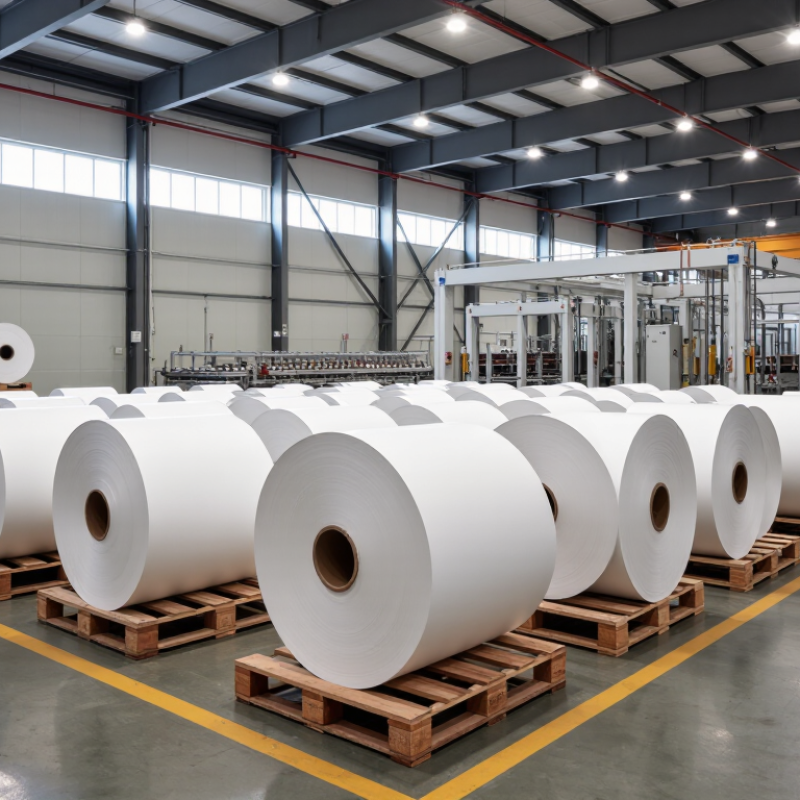
Jumbo parent mother rolls are large, unfinished paper reels used by converting plants worldwide. Unlike finished tissue products, they arrive in broad widths and require cutting, embossing, folding, or rewinding. Their main uses include toilet tissue, facial tissue, kitchen towels, napkins, and selected food-service papers.
A reliable supplier should explain basis weight, fiber composition, roll diameter, core size, moisture level, and winding tension. These details affect machine performance and final softness. A buyer in a humid port may need stronger moisture protection than a buyer in a dry inland market. Export packaging should include firm edge protection, sealed wrapping, and clear production labels. Test reports and consistent batch records also help verify quality.
Details matter. A common mistake is judging only by price per ton. Low-cost rolls may create dust, uneven rewinding, or frequent machine adjustments. Trial rolls can reveal problems before a full shipment. Buyers should compare samples under real converting conditions, not only by touch. I have found that specifications sometimes look perfect on paper, yet performance still varies. That uncertainty deserves honest discussion. Suppliers with technical staff, traceable production data, and responsive after-sales support are generally easier to evaluate. Delivery planning also requires attention to container loading, pallet stability, customs documents, and seasonal demand. A small mismatch in width can cause expensive waste.
Top Jumbo Parent Mother Roll Paper Suppliers for Global Buyers? - Understanding Jumbo Parent Mother Rolls and Their Global Uses
Reference specifications and global applications for jumbo parent mother rolls | Paper Grade / Type | Typical Basis Weight
(g/m²) | Typical Roll Width
(mm) | Typical Roll Diameter
(mm) | Common Core
(mm) | Typical Moisture
(%) | Primary Converting Uses | Common Global Buyer Markets |
| Facial Tissue Parent Roll | 13–18 | 2,750–5,600 | 1,200–2,800 | 76 or 152 | 5–8 | Facial tissues, pocket tissues, soft boxed tissues | North America, Europe, East Asia, the Middle East |
| Toilet Tissue Parent Roll | 14–22 | 2,750–5,600 | 1,800–2,900 | 76 or 152 | 5–8 | Bathroom tissue, jumbo toilet rolls, private-label products | Latin America, Africa, Southeast Asia, Europe |
| Kitchen Towel Parent Roll | 18–30 | 2,750–5,600 | 1,800–3,000 | 76 or 152 | 5–8 | Kitchen towels, absorbent household rolls, embossed towels | United States, Western Europe, Australia, Gulf countries |
| Napkin Parent Roll | 16–24 | 2,750–5,600 | 1,200–2,600 | 76 or 152 | 5–8 | Dinner napkins, dispenser napkins, folded catering napkins | Europe, the Middle East, Asia-Pacific, hospitality markets |
| Recycled Tissue Parent Roll | 15–28 | 2,750–5,600 | 1,500–2,800 | 76 or 152 | 5–9 | Eco-labelled toilet tissue, towels, napkins and away-from-home products | Northern Europe, Canada, Australia, environmentally focused markets |
| Virgin Kraft Tissue Roll | 18–35 | 2,750–5,600 | 1,500–3,000 | 76 or 152 | 5–8 | High-strength towels, industrial wipes, premium hygiene products | North America, Europe, Japan, industrial distribution markets |
| Air-Dried or Textured Tissue Roll | 20–40 | 2,750–5,600 | 1,500–2,800 | 76 or 152 | 4–8 | Premium towels, napkins and products requiring high bulk and absorbency | Western Europe, North America, premium hospitality channels |
| Away-from-Home Hygiene Roll | 20–45 | 2,750–5,600 | 1,800–3,000 | 76 or 152 | 5–9 | Hand towels, center-pull rolls, restroom and workplace dispensers | Global commercial, healthcare, education and food-service sectors |
Buyer specification checklist: Confirm basis-weight tolerance, reel hardness, caliper, tensile strength, stretch, absorbency, dust and lint levels, roll-edge condition, core tolerance, packaging method, pallet configuration, export documentation and compliance with the destination market’s product-contact and environmental requirements.
Note: The specifications shown are commonly used commercial ranges rather than universal standards. Exact dimensions and performance targets depend on the tissue machine, converting equipment, fiber furnish, embossing process and buyer’s finished-product requirements.
Key Factors for Evaluating International Paper Roll Suppliers
Evaluating international jumbo parent roll suppliers requires more than comparing quoted prices. FAO Forestry Production and Trade data places global paper and paperboard production above 400 million tonnes annually. This scale creates pressure on fiber supply, energy use, and delivery capacity. Ask for recent production records, certified fiber documentation, and consistent basis-weight results. ISO 536 supports grammage testing, while ISO 187 helps assess paper conditioning before measurement. These details matter when rolls arrive across changing climates.
A reliable supplier should provide clear specifications for width, diameter, core size, moisture, tensile strength, and winding hardness. Request trial rolls before signing a long-term contract. Measure dust, edge damage, splice quality, and machine runnability during conversion. Small defects become expensive stoppages. They really do. Review mill capacity, backup production sites, loading procedures, and container protection. The World Bank’s 2023 Logistics Performance Index highlights customs, infrastructure, tracking, and delivery timeliness as key supply-chain factors. These areas deserve written evidence, not optimistic promises.
Commercial checks are equally important. Compare payment terms, claim procedures, lead times, and replacement policies. A low price can hide higher waste or unstable delivery. Supplier audits should examine calibration records, laboratory controls, worker safety, and environmental reporting. No scorecard is perfect; technical data can still miss seasonal variation. Recheck performance after several shipments, especially during humid or cold periods. A careful buyer leaves room for doubt.
Key Factors for Evaluating International Jumbo Parent Roll Paper Suppliers
The chart presents a practical procurement weighting model for global buyers. Product quality consistency and production capacity typically receive the highest priority, followed by certification compliance, export logistics, sustainability performance, and commercial terms. Buyers can adjust these weights according to end-use requirements, destination markets, and order volumes.
Leading Supplier Regions and Their Manufacturing Capabilities
Global buyers usually compare supplier regions before comparing individual mills. Manufacturing depth matters because jumbo parent rolls move as heavy, moisture-sensitive cargo. FAO’s FAOSTAT forestry database places annual global paper and paperboard production above 400 million metric tons in recent years. This is a broad category, not a tissue-only measure. Still useful. Europe remains a technically mature supply base. CEPI reported approximately 79.5 million tonnes of paper and board production in 2023, supported by integrated pulp, paper, and converting facilities.
East Asia offers exceptional scale, high-speed machines, and extensive recycled-fiber networks. China Paper Association data recorded paper and paperboard output above 140 million tonnes in 2023. Regional suppliers often support large roll widths, customized basis weights, and steady container programs. Southeast Asian producers are gaining attention for competitive energy costs and improving port connections. However, capacity figures can hide differences in fiber quality, drying control, and export experience. Bigger is not always better.
North American and European mills often emphasize certified fiber systems, automated inspection, and consistent moisture levels. Buyers should request reel width, basis weight tolerance, moisture range, core diameter, roll hardness, and machine speed data. A practical factory audit should examine wrapping stations and warehouse ventilation. Port distance also affects damage risk and landed cost. Public reports are useful, but they rarely show mill-level reliability. That gap deserves more attention. Supplier evaluations should combine production statistics with trial orders, laboratory testing, and delivery records.
Quality Standards, Certifications, and Product Specifications to Compare
Global buyers should compare jumbo parent rolls through measurable quality, not attractive quotations. ISO 536 defines grammage, while ISO 287 checks moisture content. These values affect converting speed, sheet strength, and storage stability. Ask suppliers for recent laboratory reports, not only specification sheets. A practical comparison should include basis weight, roll width, diameter, core size, tensile strength, stretch, brightness, softness, and reel hardness.
Certification evidence also matters. FSC or PEFC chain-of-custody documents can support responsible fibre sourcing. ISO 9001 indicates a documented quality system, but it does not guarantee every shipment is perfect. Request batch-level traceability, inspection records, and a clear claim procedure.
CEPI’s Key Statistics 2023 reported about 82.5 million tonnes of paper and board production in Europe, showing the scale of the supply chain. However, large capacity does not automatically mean consistent parent-roll quality. Smithers’ recent tissue-market analysis also highlights continued demand for efficient, higher-performance tissue products. That pressure makes fibre selection and converting performance increasingly important.
Tips: Test three rolls from different batches. Measure moisture at the outer, middle, and inner layers. Check whether the core collapses during unwinding. I would also compare actual yield per tonne, not price alone. A cheaper roll may create more dust, breaks, or rejected sheets. One overlooked detail is packaging: damaged wrapping can change moisture before arrival. Keep this risk visible during supplier audits.
Ordering, Shipping, and Import Considerations for Global Buyers
Buying jumbo parent rolls starts with a precise specification sheet. State paper grade, basis weight, roll width, diameter, core size, moisture range, and winding direction. Include acceptable edge damage and splice limits. A vague request often produces a cheap quote with expensive surprises. Ask for recent test data, production photos, and a small trial order before committing to volume. Keep it practical. Confirm whether quoted weight is net, gross, or estimated.
Shipping plans should match the roll dimensions, not only the tonnage. Request pallet, container, and loading diagrams. Rolls need dry, stable stowage, with corner protection and moisture barriers where conditions require them. Check the port, free-time allowance, insurance, and Incoterm in writing. A delayed container can erase a narrow price advantage. Paperwork is often treated as an afterthought. That mistake is avoidable, although not every delay can be predicted.
Before ordering, verify the destination’s tariff classification, labeling rules, import permits, and product documents with a qualified customs broker. Do not rely on an old HS code. Requirements can change. Match the commercial invoice, packing list, bill of lading, certificate of origin, and test reports exactly. Confirm who pays duties, taxes, inspection fees, and storage charges. Build a landed-cost sheet using realistic exchange rates and port charges. Leave room for uncertainty. That small margin may protect production schedules better than a lower unit price.