What is Special Purpose Machinery and How to Choose the Right One?
In today's fast-paced manufacturing landscape, Special Purpose Machinery plays a crucial role in enhancing production efficiency. According to a report by Grand View Research, the market for special machinery is projected to reach $150 billion by 2025. These machines are tailored to specific tasks, leading to optimized workflows and reduced operational costs. Their design often reflects the unique needs of different industries, from automotive to pharmaceuticals.
Choosing the right Special Purpose Machinery is no small feat. Factors such as production volume, product specifications, and technological integration must be considered. A well-suited machine can significantly boost productivity. However, many businesses struggle with this decision, sometimes overspending on machines that do not fit their operational requirements. In fact, a study by McKinsey indicated that large companies frequently misjudge their equipment needs, leading to inefficiencies and lost revenue.
Understanding the nuances of Special Purpose Machinery is essential for any business looking to optimize operations. While the benefits are clear, the challenges are equally significant. Proper research and expert consultation are vital in making informed choices. This ensures that investments in machinery align with both current and future production goals.
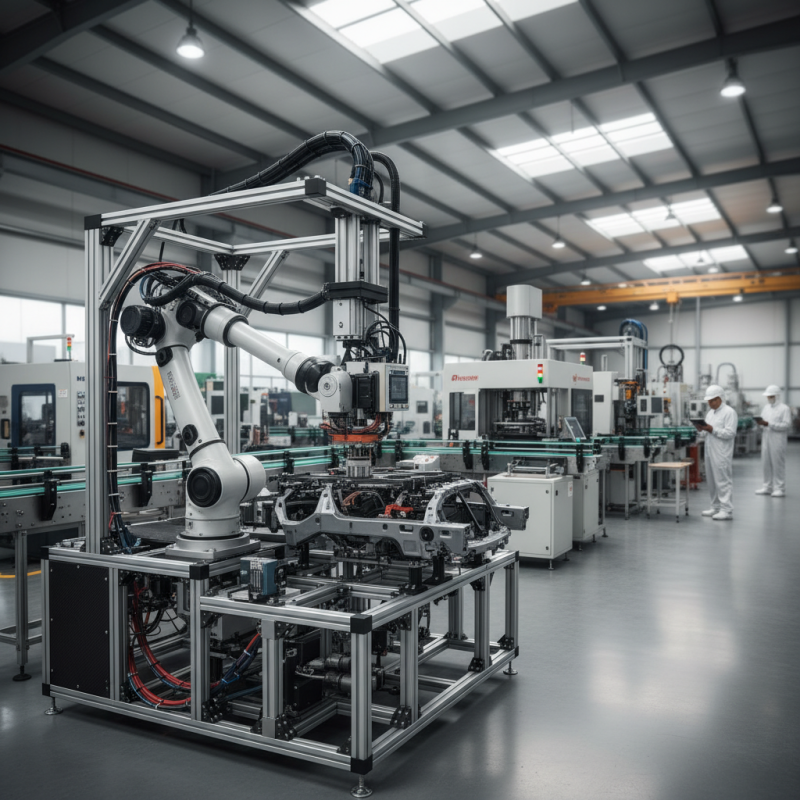
Definition and Functionality of Special Purpose Machinery
Special purpose machinery refers to equipment designed for specific applications. These machines enhance efficiency and precision in industrial processes. Unlike general-purpose machines, they serve unique tasks, making them invaluable in various sectors, including manufacturing and construction.
Choosing the right special purpose machinery involves understanding your operational needs. Assess the specific tasks you aim to accomplish. For example, consider the production volume and product type. It's also crucial to evaluate the machine's adaptability. Can it handle different materials?
Investing in special purpose machinery can yield significant benefits, but it is not always straightforward. Some users may face challenges in maintenance and operation. Regular training for staff is essential. Furthermore, depending on a single piece of machinery may pose risks. What if it breaks down? Evaluating the long-term needs of your operation helps mitigate potential issues.
Key Considerations for Selecting the Right Special Purpose Machinery
Choosing the right special purpose machinery requires careful consideration of various factors. First, assess the specific needs of your operations. Understanding your production requirements is crucial. Will the machinery be used for assembly, packaging, or another purpose? Each application demands different features and capabilities. Equip yourself with knowledge about the tasks it will perform.
Evaluate the machinery's design and functionality. Look for options that offer flexibility and adaptability. Consider the size of your production area as well. Will the machinery fit comfortably? Oversized equipment can disrupt workflows. Furthermore, investigate the energy efficiency of potential machines. This aspect can significantly impact operational costs over time.
Think about the support and maintenance provided by the manufacturer. Reliable after-sales service is essential. Poor support can lead to costly downtimes. Gathering feedback from peers can help gauge the reliability of different options. Finally, consider the training required to operate the machinery. Well-trained staff can maximize the benefits. Reflecting on these aspects can lead to more informed choices.
Types of Special Purpose Machinery and Their Applications
Special purpose machinery is designed for specific tasks in various industries. Each type serves a unique function, making it crucial to choose wisely. Common categories include packaging machines, CNC machines, and assembly robots.
Packaging machines are perfect for food and beverage industries, ensuring efficient and safe packaging. CNC machines are essential in manufacturing, offering precision and adaptability. Assembly robots enhance productivity in automotive and electronics sectors. When selecting special purpose machinery, consider the specific needs of your operation. Assess production volume and workflow requirements. Keep in mind that more features may not always mean better performance. Simple machines can sometimes yield higher output with less downtime.
Tip: Collaborate with your team to outline key objectives. Ensuring the machinery aligns with your processes can prevent costly mistakes. Regular maintenance is vital as well. Neglect can lead to inefficiencies and increased repair costs. Being proactive in care extends the life of the equipment.
Factors Impacting the Cost of Special Purpose Machinery
Understanding the factors impacting the cost of special purpose machinery is crucial for making informed purchasing decisions. The first major aspect is the complexity of the machinery. More complex machines often require sophisticated technology, raising manufacturing costs. According to a recent report by Industry Research, the price of specialized machinery can range from $10,000 to over $1 million, significantly influenced by features like automation capabilities and precision levels.
Another factor is the customization required. Tailored solutions typically demand additional engineering and design time. This can lead to higher costs compared to off-the-shelf options. Data from the Machinery Manufacturers Association suggests that customized equipment can cost up to 30% more than standard models. Additionally, the materials used in construction play a vital role. Heavy-duty materials or those with special properties can further elevate the price.
Supply chain factors also contribute to costs. Global disruptions can affect availability and lead to price fluctuations. For instance, recent studies have shown that logistics issues have often caused a 15-20% increase in component costs. As equipment becomes scarcer, prices can rise unexpectedly. Hence, careful review of these elements is essential when considering special purpose machinery for your business needs.
What is Special Purpose Machinery and How to Choose the Right One? - Factors Impacting the Cost of Special Purpose Machinery
| Category | Types of Machinery | Typical Costs ($) | Key Factors Affecting Cost |
| Packaging Machinery | Filling Machines | 5,000 - 50,000 | Size, Speed, Automation Level |
| Assembly Machinery | Robotic Arms | 20,000 - 200,000 | Precision, Type of Components, Customization |
| Manufacturing Machinery | CNC Machines | 10,000 - 300,000 | Technology, Size, Brand |
| Material Handling | Conveyors | 5,000 - 30,000 | Length, Material, Load Capacity |
| Testing Equipment | Quality Control Systems | 15,000 - 100,000 | Functionality, Data Handling, Compliance Requirements |
Maintenance and Support for Special Purpose Machinery
Maintenance of special purpose machinery is crucial for operational efficiency. Neglecting regular upkeep can lead to unexpected failures. According to a report by the International Society of Automation, poorly maintained machinery can increase downtime by over 30%. This emphasizes the need for a robust maintenance plan.
Scheduled maintenance should include inspections, lubrication, and necessary repairs. Industry experts recommend using predictive maintenance techniques. These methods utilize data analysis to forecast potential failures. A survey conducted by the Machinery Maintenance Association revealed that predictive maintenance can reduce equipment downtime by 20% or more.
Support services are also vital. Having access to knowledgeable technicians can help in addressing issues promptly. Many companies overlook the importance of training staff on machine operation and maintenance. A well-trained team will improve the lifespan of the machinery. Regular training sessions can promote better operational practices and reduce mistakes. Investing in maintenance and support can ultimately lead to significant savings and increased productivity.