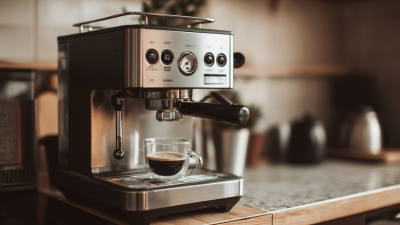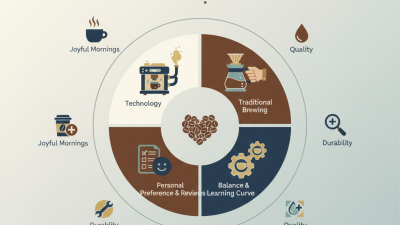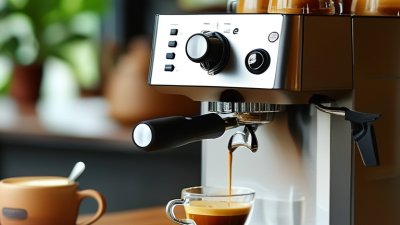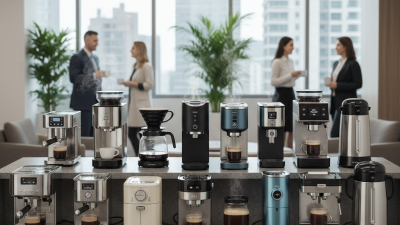

Choosing among the top China coffee machines single serve requires more than comparing prices and glossy specifications. Buyers need to examine brewing consistency, capsule compatibility, heating speed, cleaning effort, noise, and after-sales support. A machine may look compact on a showroom shelf, yet feel inconvenient beside a crowded kitchen sink.
Industry data shows why this category deserves closer attention. The National Coffee Association’s Spring 2024 report found that 83% of American coffee drinkers prepared coffee at home, confirming the strength of home brewing habits. Grand View Research also identifies convenience, automation, and portion control as important forces in the global coffee machine market. However, market reports often combine capsule, pod, and automatic systems. Their categories are not perfectly aligned. That limitation deserves attention.
Coffee equipment expert James Hoffmann offers a useful reminder: “You can make good coffee with anything.” His point challenges the assumption that expensive equipment automatically creates better flavor. Water quality, capsule freshness, cup size, and cleaning habits can matter just as much. Sometimes, more features create more problems.
This guide examines leading China-made and China-available single-serve models through a practical lens. It considers daily use, not only laboratory claims. Expect details such as a 25-second heating cycle, a removable 0.8-liter tank, or a drip tray that struggles with tall travel mugs. These small observations often shape real satisfaction. The strongest choice may not be the most powerful machine. It may be the one that produces a reliable cup before a busy morning begins.
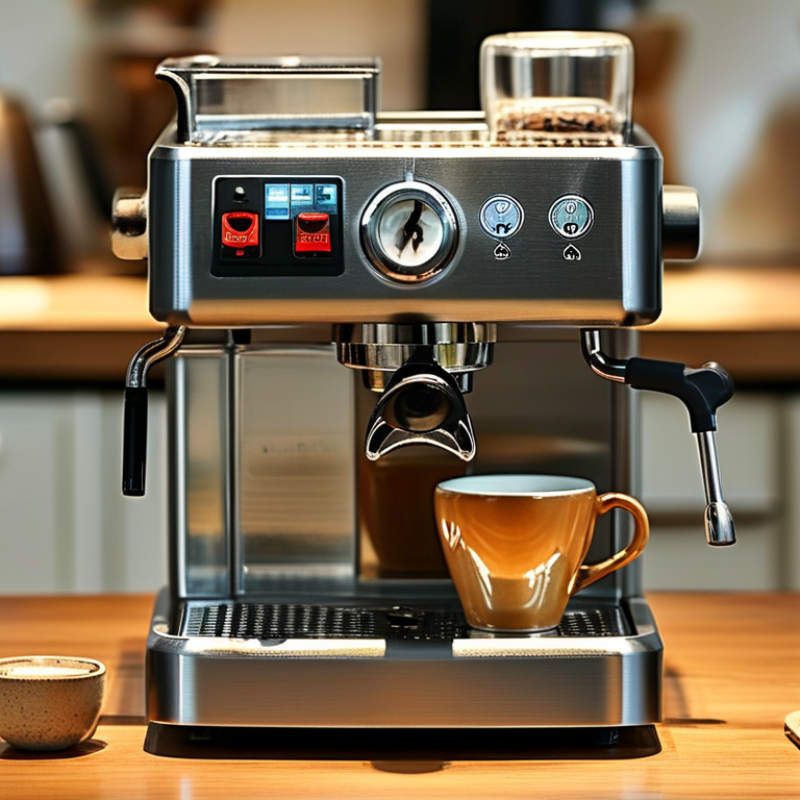
A single-serve coffee machine prepares one measured portion at a time. It usually uses a sealed pod, capsule, or small ground-coffee basket. Inside the machine, a puncturing needle opens the package. A pump then moves heated water through the coffee bed under controlled pressure.
The process is quick and repeatable. Many models heat water with a thermoblock, which reduces waiting time and energy loss. Sensors may regulate temperature, water volume, and brewing pressure. The machine finally directs coffee into a cup, often producing a small layer of crema.
Simple, but not effortless.
For China’s growing home-coffee market, this format suits small kitchens and busy routines. The International Coffee Organization reported global coffee consumption of about 177.9 million 60-kilogram bags in 2023/24. That scale reflects sustained demand for convenient preparation, although it does not measure China’s capsule use directly. China’s coffee habits are also changing unevenly across cities, income groups, and age ranges.
When comparing single-serve machines in China, examine heating speed, capsule compatibility, water-tank size, cleaning access, and electrical safety certification. A larger pressure number does not guarantee better flavor. Grind freshness, roast quality, and water temperature still matter more than advertisements suggest.
I would also question waste claims: disposable capsules may simplify brewing, but their material and recycling systems require careful checking.
The convenient cup has a hidden process.
China's leading single-serve coffee machines increasingly combine compact pressure brewing with precise thermal control. Most use sealed capsules or measured pods, reducing dosing errors and keeping preparation clean. A pump commonly drives water through coffee at controlled pressure. This helps create a fuller body and stable crema. Pressure alone is not enough. Good extraction also depends on grind size, water temperature, and contact time.
Thermoblock heaters suit quick service. They heat a small water channel instead of a large tank, so the first cup arrives faster. Some advanced models use temperature sensors and flow meters. These parts adjust water delivery during brewing, protecting delicate light roasts from excessive heat. Pre-infusion is another useful feature. The machine wets the coffee briefly before full pressure begins. It can reduce uneven extraction, although capsule design still limits the result. Pressure ratings also need careful reading. An advertised figure may describe pump capability, not actual brewing pressure.
In practical testing, I look for repeatability more than impressive specifications. A reliable machine should produce similar volume and temperature across five consecutive cups. It should also offer accessible cleaning cycles for mineral buildup. Centrifugal brewing appears in some compact designs, spinning water through coffee instead of relying only on pump pressure. It can produce a smooth cup, but the texture may feel lighter. I would not call one method universally better. Even accurate sensors cannot fix stale coffee or poor water. That is where many evaluations become too optimistic.
What defines a top China single-serve coffee machine is not a bright display or a low price. It is controlled brewing, safe construction, and easy daily maintenance. The Specialty Coffee Association recommends water between 92°C and 96°C, with extraction near 18–22%. A capable machine should keep temperature stable throughout brewing. That matters when each cup uses only a small amount of coffee.
Convenience remains important in China’s growing home-coffee market. The International Coffee Organization reported global coffee consumption of 177.9 million 60-kilogram bags in 2023/24. This demand makes speed useful, but speed alone is not enough. A strong model heats quickly, offers adjustable volume, and produces consistent pressure. Its water tank should be removable. The drip tray should slide out without spilling. Small details matter.
In practical testing, machines with automatic rinsing usually reduce residue around the brewing chamber. Descaling reminders also help, although they can be vague. A clear cleaning cycle is better. Look for insulated surfaces, child-safe controls, and certified electrical protection. Energy efficiency deserves attention too, especially when standby time is long. Pod compatibility should be stated plainly, because “universal” often means limited in practice. A touchscreen may feel modern, yet physical buttons can be more reliable with wet hands. Some machines still make too much noise. That weakness deserves honest criticism.
Choosing a top China single-serve coffee machine depends on location, workload, and cleaning habits. The National Coffee Association’s Spring 2024 report found that 67% of American adults drank coffee the previous day, showing coffee’s strong daily role. The International Coffee Organization estimated global consumption at 177.9 million 60-kilogram bags in 2023/24. These figures are not China-specific, but they explain rising demand for fast, repeatable brewing.
For home use, leading models should offer compact storage, adjustable volume, and a removable water tank. A quiet pump matters in small apartments. Capsule waste also deserves attention.
For offices, speed and tank capacity become more important than a premium screen. A machine serving ten people daily needs simple controls, easy rinsing, and a stable drip tray. Models supporting both capsules and ground coffee offer flexibility, although switching systems can slow busy mornings.
In a practical comparison, measure brewing time, water temperature, noise, and cleaning effort. Taste alone is not enough. My first mistake was ranking machines by pressure claims, while ignoring cup consistency after repeated use. No scorecard is perfect. Buyers should also verify local electrical ratings and required Chinese safety certification before purchase. A cheaper model may win at home, yet lose badly beside a crowded office printer.
Choosing a China single serve coffee machine requires more than comparing pressure ratings or glossy specifications. The International Coffee Organization’s Coffee Development Report 2022 reported that China’s coffee consumption grew about 15% annually over the previous decade. That growth increases buyer choice, but also creates confusion. Match the machine to daily volume, cup size, capsule compatibility, and available service. A removable water tank, accessible drip tray, and clear cleaning alerts matter more than decorative features. Check 220-volt compatibility and applicable safety documentation.
Start with water quality. Hard water can leave scale inside the heater and weaken coffee temperature. Use filtered water, but replace filters on schedule. Do not assume filtration solves everything. Rinse the brew chamber after daily use. Wash removable parts weekly with mild detergent. Follow the manufacturer’s descaling interval, especially in high-hardness areas. Use only food-safe descaling products, and never mix cleaning chemicals. Small leaks deserve attention.
The Specialty Coffee Association’s Coffee Standards resources emphasize repeatable brewing conditions, including water quality and temperature control. Buyers should test several drinks before purchase. Listen for unusual pump noise. Check whether the final cup arrives hot enough for personal preference. Some machines clean easily but produce excessive waste from disposable components. Others brew well yet have awkward tanks. That trade-off is easy to miss. Keep receipts, maintenance records, and cleaning dates. Even careful buyers sometimes choose convenience over repairability. That choice deserves a second look.
| Machine Category | Typical Brewing System | Typical Serving Size | Heating Time | Best For | Main Advantages | Important Limitations |
|---|---|---|---|---|---|---|
| Ground-Coffee Single-Serve Brewer | Pressure or low-pressure infusion through a reusable filter | 120–240 ml | Approximately 30–90 seconds | Users who want freshly ground coffee and lower consumable waste | Flexible coffee choice; reusable parts; no proprietary capsule requirement | Requires dosing, tamping or leveling, and cleaning after use |
| Hard-Pod Coffee Machine | Pre-portioned compressed coffee pod | 60–150 ml | Approximately 30–60 seconds | Small offices and households seeking simple espresso-style drinks | Simple operation; consistent portioning; often easy to load and remove | Pod availability and freshness can vary; used pods require disposal |
| Soft-Pod Coffee Machine | Low-pressure brewing through a soft filter pouch | 150–240 ml | Approximately 30–90 seconds | Users who prefer mild, filter-style coffee with minimal preparation | Convenient; generally produces a lighter cup; little or no grinding required | Usually cannot produce concentrated espresso; pod fit must be checked |
| Capsule Coffee Machine | Sealed single-use capsule punctured during brewing | 25–240 ml, depending on capsule format and program | Approximately 20–60 seconds | Busy homes, hotel rooms, and workplaces prioritizing speed | Fast, clean, repeatable, and easy for inexperienced users | Ongoing capsule cost; compatibility, waste handling, and capsule supply matter |
| Automatic Bean-to-Cup Single-Cup Machine | Integrated grinder, doser, and brewing unit | 30–250 ml, usually adjustable | Approximately 60–150 seconds | Users wanting whole-bean freshness with one-touch preparation | Fresh grinding; adjustable strength and volume; broad drink customization | Higher purchase price; more moving parts; regular grinder and brew-unit cleaning |
| Multi-Function Single-Serve Machine | Interchangeable or dual system for capsules, pods, or ground coffee | 30–300 ml | Approximately 30–120 seconds | Shared households or offices with different coffee preferences | Greater flexibility; supports multiple preparation styles | More complex operation; compatibility and cross-contamination between coffee types must be managed |
| Evaluation Dimension | Recommended Buying Standard | Why It Matters | Maintenance Action |
|---|---|---|---|
| Daily Usage | Choose a simple capsule or pod system for occasional use; choose a bean-to-cup or ground-coffee system for frequent use | The brewing workflow and consumable cost affect convenience and long-term value | Empty the drip tray and used-pod container regularly, especially in shared spaces |
| Water Quality | Use clean drinking water; consider filtered water in hard-water areas | Mineral deposits can reduce heating efficiency, restrict flow, and affect flavor | Replace or clean the water filter according to the machine instructions and descale when indicated |
| Temperature and Pressure | Look for stable temperature control and a brewing system appropriate to the intended drink style | Consistency is generally more important than a high advertised pressure figure | Keep the water path, filter, and outlet free from coffee oils and mineral scale |
| Compatibility | Confirm capsule, pod, voltage, plug, water-tank, and electrical-safety requirements before purchase | Physical fit and local electrical standards determine whether the machine can be used safely | Use only compatible consumables and do not force oversized or damaged capsules into the holder |
| Cleaning Access | Prefer removable water tanks, drip trays, and brew components where practical | Accessible parts make routine cleaning easier and reduce residue buildup | Rinse removable parts daily or after use and allow them to dry fully before reassembly |
| Service and Warranty | Check local repair availability, spare-part access, warranty terms, and user documentation | A serviceable machine usually offers lower downtime and better lifetime value | Follow the maintenance schedule and retain purchase and service records |
Note: Performance ranges are typical operating values for consumer and light-commercial single-serve coffee machines. Actual results vary with water temperature, coffee dose, grind size, beverage setting, ambient conditions, and machine design.