Top 10 Types of Natural Stretch Fabric for Global Buyers
Natural Stretch Fabric is gaining attention among global buyers seeking comfort, breathability, and more responsible material choices. Yet the term can be confusing. Some fabrics stretch naturally, while others combine natural fibers with elastane or knitted structures. This distinction matters when comparing performance, labeling, and sustainability claims. A soft fabric is not automatically durable. Testing is essential.
This guide explores ten practical types, including wool jersey, cotton-elastane, bamboo blends, hemp knits, linen blends, and fabrics containing natural rubber. Each option behaves differently during cutting, sewing, washing, and repeated wear. For example, a wool knit may recover well at the knee but require careful washing. A cotton blend can feel familiar, yet its stretch recovery may weaken after frequent laundering. Small details matter.
Real sourcing experience shows that fabric samples rarely tell the whole story. Request test reports for tensile strength, dimensional stability, colorfastness, pilling, and stretch recovery. Check the fiber composition carefully. Confirm the fabric weight, width, finishing process, minimum order quantity, and production lead time. Certifications may support a supplier’s claims, but they should not replace independent verification. That is worth remembering.
No single material suits every market. Climate, garment design, price targets, and care expectations all influence the best selection. Some recommendations may need revision after factory trials or consumer feedback. This overview therefore aims to support informed comparison, not promise a perfect answer. For international buyers, reliable decisions begin with transparent specifications, realistic testing, and suppliers willing to discuss limitations.
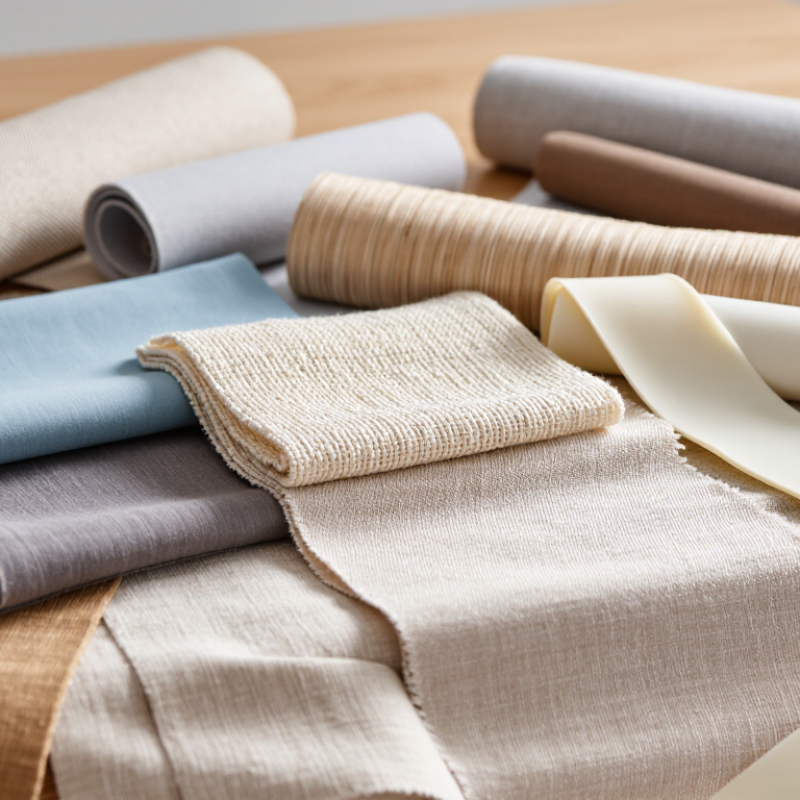
What Natural Stretch Fabric Is and Why Global Buyers Choose It
Natural stretch fabric combines plant or animal fibers with flexible construction. Cotton, linen, hemp, wool, and silk can stretch slightly through yarn design, knitting, or added natural rubber. Unlike synthetic stretch cloth, it often feels softer and more breathable. Yet “natural” does not mean automatically better. Fiber origin, finishing methods, and blend ratios still require careful checking.
Global buyers choose it for comfort, climate adaptability, and a more tactile product story. Cotton jersey can follow the body during travel, while linen blends may feel cooler in warm markets. Lightweight wool can provide gentle recovery in tailored clothing. From my sourcing experience, recovery matters as much as initial stretch. Fabric that stretches well but stays baggy can cause returns and complaints. Buyers sometimes misjudge this point.
Tips: Request composition, weight, width, stretch percentage, and recovery data. Test a washed sample, not only a fresh roll. Check colorfastness, shrinkage, seam performance, and pilling under realistic use. Ask for traceability documents and current safety reports. Small batch differences can affect cutting plans. Do not rely on “natural” alone. It is a starting point, not proof of quality.
Ten Major Types of Natural Stretch Fabric by Fiber and Construction
Top 10 Types of Natural Stretch Fabric for Global Buyers
Ten Major Types of Natural Stretch Fabric by Fiber and Construction
Natural stretch usually comes from fiber behavior, knitted loops, or fabric construction. It does not always mean elastane is present. Cotton single jersey offers soft, moderate stretch for T-shirts and lightweight sleepwear. Cotton rib knit stretches more across the body, making it useful for cuffs and fitted tops. Cotton interlock feels denser and recovers better, although heavy washing may still cause shrinkage. Hemp-rich jersey provides a dry hand and gentle give through its knitted structure. It can feel firm at first.
Linen jersey combines linen’s cool touch with loop-based flexibility. Pure linen plain weave has little stretch, but a bias-cut construction moves comfortably across the body. Wool jersey supplies natural elasticity and warmth for base layers. Wool rib knit gives stronger crosswise stretch, especially in collars and close-fitting garments. Wool crepe has slight mechanical give from its crimped yarns, yet its recovery can be uneven. This detail is often underestimated.
Silk jersey drapes closely and stretches through its knitted loops. Silk bias-woven fabric gains movement from the diagonal grain rather than fiber elasticity. Buyers should verify fiber percentages, fabric weight, recovery, shrinkage, and test conditions. A fabric may stretch well on a sample table but fail after repeated laundering. Ask for measured results, not vague claims. Different mills may describe the same construction differently. That needs careful comparison.
Top 10 Types of Natural Stretch Fabric for Global Buyers
Ten Major Types of Natural Stretch Fabric by Fiber and Construction
The chart compares indicative widthwise stretch levels in natural-fiber fabrics without elastane. Knitted constructions, especially rib and jersey structures, generally provide more stretch than plain-woven fabrics. Actual performance varies with yarn count, knitting density, finishing, moisture, and test method.
Performance, Comfort, and Sustainability Comparison Across Fabric Types
Top 10 Types of Natural Stretch Fabric for Global Buyers
Performance, Comfort, and Sustainability Comparison Across Fabric Types
Natural stretch fabrics behave differently under movement, moisture, and repeated washing. Cotton-elastane offers familiar softness and reliable recovery for daily apparel. Organic cotton-elastane feels similar, but its sourcing credentials depend on certified farming and processing. Merino jersey regulates warmth well and resists odor, although fine fibers can pill. Wool-elastane improves shape retention for active garments. Hemp-cotton knits feel dry and become softer with wear. Hemp-elastane adds mobility but may need careful blending. Linen-cotton knits provide airflow and a textured hand. Linen-elastane stretches more comfortably, though excessive heat can weaken recovery. Ramie-cotton delivers crisp strength with limited natural flexibility. Lyocell-elastane, made from regenerated cellulose, offers a smooth drape and strong moisture absorption.
Comfort is not only softness. Seam placement, knit density, and recovery testing often decide real-world performance. I have seen a softer fabric lose shape faster. That matters. According to Textile Exchange’s Materials Market Report 2024, global fiber production reached about 124 million tonnes in 2023. It may approach 160 million tonnes by 2030. This growth increases pressure to choose durable materials, not merely fashionable ones. The European Environment Agency also identifies longer garment use as important for reducing textile impacts.
Sustainability comparisons require caution. Organic cotton can reduce certain agricultural impacts, but irrigation, dyeing, and transport still matter. Hemp may need fewer inputs, yet regional processing capacity remains uneven. Linen can perform efficiently in suitable climates, but certification and mill transparency vary. Blended fabrics often improve comfort, while elastane can complicate recycling. Buyers should request fiber percentages, test recovery after washing, and verify certifications through recognized standards. No fabric wins every test. That is the uncomfortable part. Functional sampling should guide final purchasing decisions.
Key Quality Standards and Certifications for International Purchasing
Natural stretch fabrics, including cotton-elastane jersey, wool blends, hemp blends, and bamboo-based knits, need more than a soft hand feel. International buyers should request fiber composition, fabric weight, stretch percentage, and recovery data. A fabric returning slowly after a knee bend may fail activewear use, even when laboratory results look acceptable. Small samples can mislead.
Quality control should cover dimensional stability, spirality, pilling, seam slippage, colorfastness, and restricted substances. Relevant test methods may include ISO 5077 for dimensional change, ISO 12945 for pilling, and ISO 105 series for colorfastness. Requirements vary by destination and end use. Confirm the test version and conditioning procedure. Otherwise, two passing reports may not be comparable. It happens.
Certifications add traceability, but they do not replace product testing. Organic fiber claims should carry a recognized organic textile certification, while recycled content may require a recycled-content standard and transaction records. Chemical safety certification can support screening for formaldehyde, azo colorants, heavy metals, and other restricted substances. Ask for the certificate scope, facility address, validity, and shipment documents. Check whether elastane is included; it is often overlooked. A final inspection should measure rolls from different batches, not only the showroom sample. Buyers sometimes approve fabric too quickly. That decision deserves another look.
How Global Buyers Select, Source, and Evaluate Natural Stretch Fabrics
Global buyers assess natural stretch fabrics by fiber content, recovery, comfort, and supply consistency. Common options include cotton-elastane, organic cotton-elastane, wool, merino, hemp, linen, silk, lyocell, modal, and bamboo-cellulose blends. Not every option stretches naturally. Some depend on added elastane. Ask for exact fiber percentages, yarn details, fabric weight, width, and finishing data. Samples matter. Feel is not enough.
During sourcing, buyers should compare at least three mills using identical specifications. Request lab dips, wash tests, stretch-recovery reports, pilling results, and colorfastness data. Measure recovery after repeated extension, not only initial elasticity. A fabric that returns slowly may create bagged knees or loose waistbands. Check minimum order quantities, lead times, lot consistency, and fiber-claim documentation. Independent production audits can reveal weaknesses that samples hide.
Pricing deserves context. A low quote may conceal unstable yarn, weak recovery, or expensive rework. For global shipments, confirm packaging, inspection points, customs documents, and destination-market chemical requirements. One practical mistake is approving fabric from a small swatch. The full roll can behave differently. Test production-size samples after washing, drying, and sewing. Perfect selection is unlikely; transparent records and honest retesting make sourcing decisions more reliable.