What Are the Top Types of Commercial Coffee Machines?
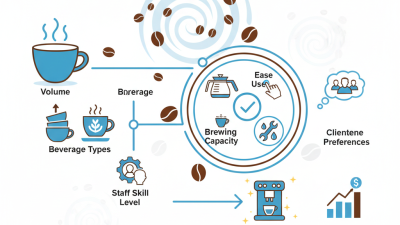
Choosing among commercial coffee machines is a practical decision about volume, menu, labor, and consistency. A busy hotel breakfast room may need fast batch brewing, while a small café may depend on espresso drinks made to order. The National Coffee Association’s Spring 2024 National Coffee Data Trends report found that 67% of U.S. adults had coffee in the past day, a record in its tracking history. That figure signals broad demand, but it does not tell operators which machine to buy. Local customer habits matter.
The main categories include traditional espresso machines, super-automatic espresso machines, batch brewers, single-serve systems, and specialty brewers for drinks such as cold brew. Each solves a different service problem. A two-group espresso machine can support a steady rush, but it needs trained staff and regular cleaning. A super-automatic model handles grinding and extraction at the touch of a button, though drink customization may be more limited. Batch brewers suit offices and breakfast counters where several cups are poured quickly. Small details count: counter depth, water access, cup clearance, and the time needed to refill beans or rinse parts.
There is no universal winner. A machine that performs well in a showroom may struggle during a crowded morning shift. The Specialty Coffee Association’s brewing standards offer useful guidance on extraction and consistency, but equipment still needs testing with the shop’s beans, recipes, and daily volume. The overview ahead compares the leading types, their strengths, and their trade-offs. The right choice is often less impressive on paper—and more reliable at 8 a.m.
Commercial Espresso Machines for Made-to-Order Drinks
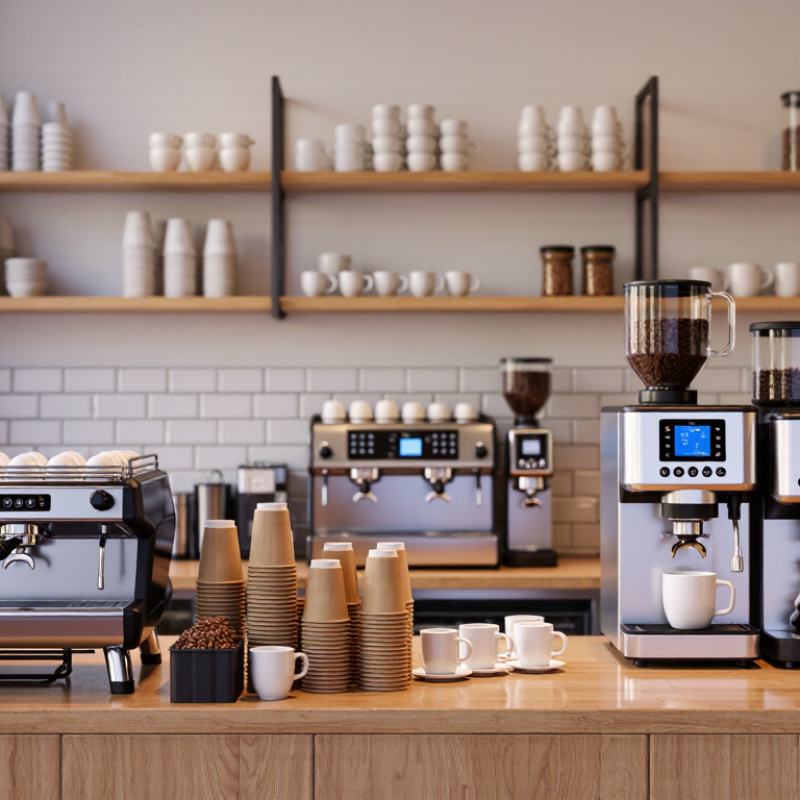
Commercial espresso machines suit cafés where customers want drinks made to order. Semi-automatic models let trained staff control the espresso shot, adjusting grind, dose, and extraction time. That flexibility helps when beans or recipes change. Volumetric machines stop shots at preset water volumes, supporting more consistent service during busy periods. Both require regular cleaning and staff training.
For made-to-order drinks, consider the menu and peak-hour pace. A café serving flat whites, cappuccinos, and iced lattes needs reliable steam power, enough group heads, and room for milk pitchers. Check the machine’s workflow at the counter, too. If baristas must reach across customers or wait for one steam wand, a fast machine may still create a slow line. Capacity figures can be optimistic; test the setup during a realistic rush.
Tips: Match the machine to your daily drink volume, not your busiest day alone. Keep a thermometer, clean cloths, and a shot timer within reach. Track wasted shots and ticket times for a few weeks. Small patterns matter. Don’t ignore awkward controls or difficult cleaning; staff often notice these problems before managers do.
Bean-to-Cup Machines for Automated Coffee Preparation
Bean-to-cup machines grind whole beans and prepare drinks in one automated workflow. In a busy hotel breakfast room, staff can select a drink while the machine doses, brews, and dispenses it into a cup. Some models also steam milk, though milk systems need frequent cleaning. The result is consistent and quick. But automation is not magic: poorly adjusted grind settings can still produce a weak or bitter shot.
Tips: Match capacity to peak-hour demand, not the quiet afternoon. Check daily cleaning steps, bean-hopper size, and milk-system access before buying. Ask staff to make several drinks during a demonstration. Small details matter.
The National Coffee Association’s 2024 National Coffee Data Trends report found that 67% of U.S. adults drank coffee in the past day, a record level in its tracking. That figure does not predict demand at every venue, but it signals why dependable service matters. Bean-to-cup machines can simplify repeat orders and reduce manual steps, while still requiring trained operators and routine maintenance. A machine that is easy to use may still be difficult to keep clean. That trade-off deserves an honest trial.
Batch Brew Machines for High-Volume Filter Coffee
Batch brew machines suit cafés, hotels, and workplace kitchens that need several litres of filter coffee ready at once. The National Coffee Association’s 2024 National Coffee Data Trends report found that 67% of U.S. adults had coffee the previous day. It also reported that 45% had specialty coffee. Those figures describe consumer habits, not commercial machine sales, but they show why reliable service matters.
Match brewer capacity to actual rush patterns, not the biggest number on a spec sheet. A large batch left warming too long can taste flat and become waste. Small batches may run out during breakfast. Neither outcome is ideal. Check whether the machine can brew directly into insulated servers, and whether staff can refill, clean, and label them easily. Water quality and a consistent coffee-to-water ratio also affect the cup; record both, then adjust after tasting. Briefly. Keep a simple log of brew time, batch size, and leftovers. It may feel fussy at first, but those notes reveal whether the morning rush needs another batch—or a smaller one. A high-capacity brewer helps only when the workflow around it is equally well planned.
Batch brew capacity at a glance: These illustrative batch sizes yield approximately 8, 16, and 24 servings of 240 mL each. Actual batch sizes vary by machine and setup.
Pour-Over Brewers for Controlled Batch Brewing
Pour-over brewers are useful when a café needs fresh coffee in measured batches without installing a direct water connection. An operator adds water manually, while the brewer heats and distributes it over the grounds. Many commercial setups brew into an insulated server or airpot, ready for service.
Simple, but not effortless.
Consistency depends on repeatable details: coffee dose, grind size, water volume, and brew time. A scale and timer help staff make each batch alike, even during a busy morning. For example, record the dose and yield beside the grinder, then check whether the finished coffee tastes balanced. Small changes matter. A finer grind can slow drainage and make a batch taste harsh; a coarse grind may leave it thin. The exact result varies with the coffee and equipment.
These brewers can work well for lower-volume service, pop-ups, or locations that need flexible placement. They may be less convenient when staff must produce several large batches quickly. Manual water filling also creates room for human error. It is easy to blame the machine when a batch is weak, though an uneven grind or rushed measurement may be the cause. A short brew log is not glamorous, but it makes adjustments easier to explain and repeat.
Commercial Pod Machines for Consistent Single-Serve Coffee
Commercial pod machines suit offices, hotel breakfast areas, and small cafés that need repeatable single-serve coffee. A staff member inserts a sealed pod, selects a cup size, and starts the brew. The measured dose and brewing cycle help reduce variation between cups, even when different people operate the machine. Less guesswork.
Consistency still depends on practical details. Check that the machine’s brew settings match the pod format, and confirm it can handle your busiest service periods. A queue of employees may form if brewing takes too long. Cup clearance matters, too: tall travel mugs may not fit beneath some spouts. Pods also create more packaging waste than bulk-ground coffee, so consider storage and disposal before choosing this setup. It is convenient, but not automatically the best fit for every workplace.
Tips: Run a few test cycles with the cups and pods you expect to use. Record brew time and taste. Clean the drip tray and follow the manufacturer’s descaling schedule; skipped maintenance can affect performance.