

Blog

Why Choose a 510 Cartridge Factory for Your Business?

Choosing a 510 Cartridge Factory is a business decision built on more than unit price. A reliable supplier should explain its materials, production controls, testing methods, and quality records in clear terms. Small details matter: thread dimensions, seal fit, airflow consistency, and how samples compare with later production batches. Ask for written specifications and sample units before discussing larger orders. Look closely at how the factory handles defects and communicates changes. These answers reveal more than a polished catalog can.

Good process takes patience. A factory visit or independent quality audit may help confirm what documents cannot show. Buyers should also ask about production capacity, lead times, material traceability, and continuity plans. For products sold in different regions, confirm applicable product and labeling requirements with qualified local advisers. Requirements can change. Do not assume a supplier’s general assurances cover every market or use. Choosing on price alone is tempting, but it can leave costly gaps in consistency or documentation. That is easy to overlook. No supplier can remove every business risk, and a promising first sample is not proof of lasting performance. Compare evidence, keep expectations specific, and review results over time. A thoughtful partnership starts with careful questions—and a willingness to revise assumptions when the facts do not fit.
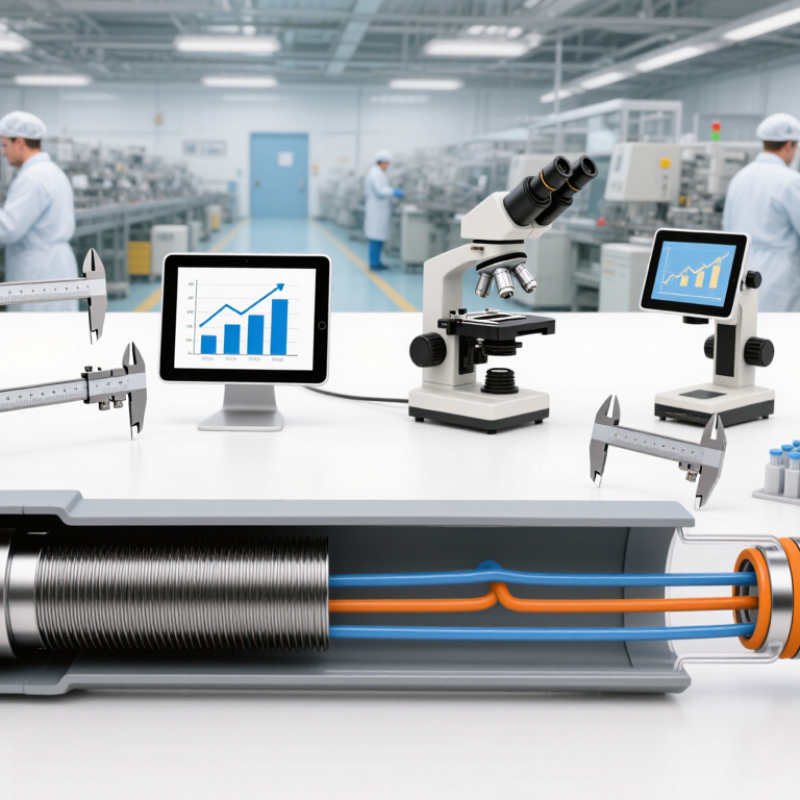
Why Choose a 510 Cartridge Factory for Your Business?

Understanding 510 Cartridges and Their Role in the Market

Why Choose a 510 Cartridge Factory for Your Business?
Understanding 510 Cartridges and Their Role in the Market

A 510 cartridge is a small component designed to connect with a compatible threaded device. The format is widely recognized, but a shared thread does not guarantee a perfect fit. Differences in dimensions, airflow, and materials can affect performance. Small details matter. For businesses, understanding these parts helps set realistic product specifications and answer customer questions clearly.

A capable factory can support consistent production through documented checks on fit, assembly, and leakage. Ask how materials are selected and how batches are inspected. Request samples and test them with the devices your customers use. One sample proves little. Repeat testing can reveal variations that a quick visual check misses. Factory communication also matters: clear tolerances and written quality expectations reduce avoidable surprises. Not every request needs customization; extra options can complicate sourcing.

Tips: Compare samples from more than one production run. Keep notes on connector fit, airflow, and visible defects. Ask for test records, and clarify how the factory handles rejected units. Compatibility is sometimes messier than a product sheet suggests, so leave room for careful verification.

Why Choose a 510 Cartridge Factory for Your Business?

Understanding 510 Cartridges: Voltage and Power

510 cartridges use a widely adopted threaded connection, but electrical requirements can vary by cartridge. This chart shows the calculated power at several voltages for an illustrative 1.2 Ω load, using P = V² ÷ R. It is a physics-based example, not a product specification or market-wide measurement; check cartridge and battery specifications for compatibility.

How Factory Production Supports Quality and Consistency

A 510 cartridge factory can support quality through repeatable production steps, not promises alone. Staff can check incoming materials, verify component dimensions, and record assembly settings for each production run. A slight change in a seal or connection can affect fit. Small details matter.

Factories may also use defined inspection procedures, such as checking airflow, connection fit, and leakage under stated test conditions. Ask how samples are selected, how results are recorded, and what happens when a batch fails inspection. Clear answers make supplier discussions more useful. So does traceability: batch records can help identify when and where a problem occurred. That takes discipline.

Still, factory production does not make every unit perfect. Sampling can miss uncommon defects, and inspection standards vary between suppliers. A careful buyer should review test methods, quality records, and corrective-action practices before placing a large order. It is also reasonable to request samples from more than one production run. The extra review takes time, but it can reveal differences that a polished presentation may not show.

Customization Options for Different Business Needs

Customization matters when a business serves customers with different preferences or sells through several channels. A 510 cartridge factory may offer choices in dimensions, mouthpiece shape, color, and exterior finish. A compact profile can suit a small retail display, while a larger mouthpiece may be easier to handle. Small details matter.

Before requesting a quote, prepare a clear specification sheet. Include target dimensions, connection requirements, material preferences, and any printing or packaging needs. Ask whether the factory can provide samples that match the proposed production materials. Check fit, finish, and consistency under ordinary handling. Photos alone cannot reveal every issue. A sample can.

Some factories also support custom packaging, logo placement, and batch identification. These options may help separate product lines or simplify inventory checks. Confirm setup costs, minimum order quantities, and lead times in writing. Ask how dimensional checks and defect records are handled. Clear answers are useful evidence of a dependable process, though they do not replace your own inspection.

And not every custom detail earns its cost. Extra finishes can add expense or extend production time. Start with the features customers will notice, then test a small run before scaling. One imperfect sample is a reason to revise the specification, not to assume every future batch will match.

Assessing Compliance, Testing, and Supply Chain Reliability

Why Choose a 510 Cartridge Factory for Your Business?

Assessing Compliance, Testing, and Supply Chain Reliability

Choosing a 510 cartridge factory is less about a polished catalog than repeatable controls. Ask how it checks connector dimensions, material batches, leak resistance, and finished-unit consistency. Request dated test records, clear acceptance limits, and traceability from each batch code to its incoming materials. Compliance varies by market, so verify that documentation matches your product and intended sales regions. Check whether any laboratory accreditation covers the specific tests being offered. Records matter.

Supply reliability deserves equal scrutiny. McKinsey’s 2020 report, “Risk, resilience, and rebalancing in global value chains,” found that 93% of surveyed executives planned to make their supply chains more resilient. That survey result is not a guarantee about any factory. Ask about backup suppliers, component lead times, and how production changes are communicated. A missed detail can still happen; what matters is whether the factory identifies it, documents it, and follows through.

Tips: Request a sample batch with its inspection records. Compare connector fit, finish, and packaging against the approved specification, then keep the results for future orders.

Comparing Costs, Capacity, and Production Lead Times

A 510 cartridge factory can affect more than the unit price. Compare quotes by checking tooling, minimum order quantities, packaging, inspection, and shipping separately. A low unit quote may exclude setup costs or apply only to a large order. Small batches cost more. Ask how the price changes at different volumes, and whether material or design changes require new tooling. A clear quote makes those trade-offs easier to judge.

Capacity matters when orders grow or demand varies. Ask for realistic monthly output, not just the fastest possible run. Find out how the factory handles busy periods, equipment maintenance, and rejected parts. A supplier should explain its inspection steps, such as checking dimensions, fit, and finish. Requesting sample units can reveal issues before a full production run. Samples take time, but skipping them can cost more later.

Lead times usually include material sourcing, production, inspection, and shipping. Get an estimate for each stage, and confirm when the clock starts. Design revisions or delayed approvals can shift delivery dates. Build in a buffer. It may feel overly cautious, and estimates are not guarantees. Still, a written schedule with milestone dates gives both sides something specific to review when plans change.

Now Hiring!