

Blog
Why Choose a Personal Scooter for Urban Mobility?
Urban travel often feels slower than expected. A short journey can involve crowded buses, delayed trains, and expensive parking. Personal Scooter use offers another practical option for many city residents. It can carry one rider through narrow streets, cycle lanes, and quiet neighborhood routes. The experience is simple: charge the battery, check the brakes, and leave when ready.
Small choices matter.
A reliable model should provide stable handling, useful lights, responsive brakes, and a comfortable deck. Independent testing, manufacturer specifications, and long-term user feedback can help buyers compare these features responsibly. Riders should also understand local traffic rules, approved riding areas, helmet guidance, and battery safety requirements. Regulations differ between cities, so official transport websites remain essential sources. A scooter is not automatically the best choice for everyone. Rain, steep roads, limited storage, and long commuting distances can reduce its usefulness. I have found that convenience depends heavily on route conditions and riding confidence. That point deserves honest attention.
Personal Scooter ownership may reduce car dependence for short urban trips. It can also make daily movement feel more flexible and less stressful. However, responsible mobility requires more than choosing a lightweight vehicle. Riders need visibility, regular maintenance, considerate parking habits, and awareness of pedestrians. With realistic expectations, careful research, and safe riding practices, a personal scooter can become a practical part of modern city transport. It is helpful, but not perfect.
Types of Personal Scooters and Their Key Features
Why Choose a Personal Scooter for Urban Mobility?
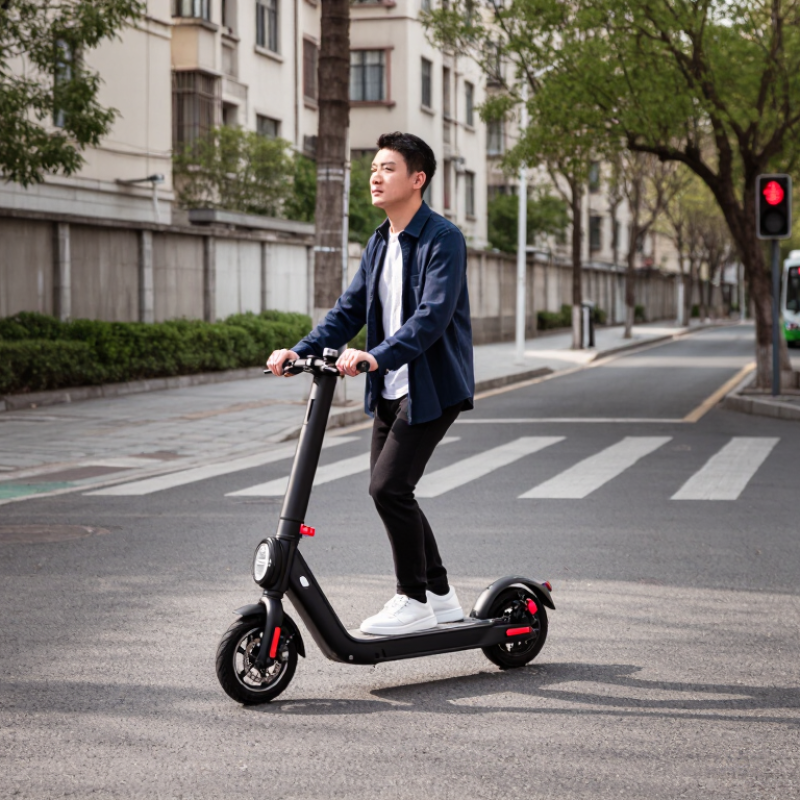
Personal scooters come in several practical forms. Kick scooters are lightweight, quiet, and easy to carry onto public transport. They suit short trips and require little maintenance. Electric scooters add motor assistance for longer commutes, hills, and faster travel. Look for dependable brakes, bright lights, a clear display, and stable handlebars. Some models include suspension, which can soften rough pavement. Seated scooters provide extra comfort for slower, extended rides, but they need more storage space.
Wheel type changes the daily experience. Solid tires resist punctures and reduce maintenance, yet they transmit more vibration through the deck. Pneumatic tires usually feel smoother on cracked sidewalks, although they need regular pressure checks. Battery size affects range, but traffic, hills, rider weight, and cold weather also matter. A long claimed range can shrink in real conditions. I once underestimated deck width; my feet felt cramped after only twenty minutes. That small detail changed my view of comfort.
Tips: Test the scooter before buying, if possible. Check brake response, folding locks, steering stability, and charging time. Keep both hands on the handlebar and wear a properly fitted helmet. Inspect tire pressure and brake wear regularly. Follow local traffic rules and use designated paths when available. A reflective layer helps drivers notice you at dusk. Choose a model you can lift safely, not merely one with impressive specifications. Convenience is useful, but control matters more.
| Personal Scooter Type | Power Source | Typical Top Speed | Typical Practical Range | Approx. Weight | Portability | Key Features | Best Urban Use | Important Considerations |
|---|---|---|---|---|---|---|---|---|
| Non-Electric Kick Scooter | Human-powered | Usually 10–20 km/h, depending on rider effort and terrain | Limited by rider fitness and local conditions | Approximately 3–7 kg | Excellent; usually folds quickly and is easy to carry | Lightweight frame, two wheels, foot deck, hand-operated steering, and low maintenance | Short trips, last-mile connections, and compact urban areas | Requires physical effort; small wheels can be less comfortable on rough surfaces |
| Compact Electric Kick Scooter | Rechargeable battery and hub motor | Typically 20–25 km/h, where permitted | Approximately 15–30 km under moderate conditions | Approximately 10–15 kg | Very good; many models have folding handlebars | Electric assistance, regenerative or friction braking, LED lighting, and a digital display | Daily commuting, short errands, and public-transport connections | Actual range decreases with rider weight, hills, cold weather, wind, and frequent acceleration |
| Long-Range Electric Commuter Scooter | Larger rechargeable battery and electric motor | Typically 25–40 km/h, subject to local regulations | Approximately 30–70 km under moderate conditions | Approximately 15–25 kg | Moderate; folding is common, but the higher weight limits carrying convenience | Larger battery, wider deck, stronger frame, improved suspension, and larger tires | Longer commutes and routes with moderate hills | Heavier to carry and store; speed, lighting, helmet, and road-use rules vary by location |
| Performance Electric Scooter | High-capacity battery with one or two electric motors | Often above 40 km/h; public-road use may be restricted | Approximately 40–100 km, depending on battery size and riding style | Approximately 25–45 kg or more | Limited; designed more for stability and power than carrying convenience | High power output, advanced suspension, wide tires, strong brakes, and robust construction | Private-property riding or areas where high-performance scooters are legally allowed | Higher stopping distances, greater riding risk, increased maintenance needs, and stricter legal requirements |
| Seated Electric Scooter | Rechargeable battery and electric motor | Typically 20–30 km/h | Approximately 25–60 km under moderate conditions | Approximately 18–35 kg | Moderate to limited; generally less compact than a standing scooter | Seat, step-through or low-step design, larger deck, and a more relaxed riding position | Longer urban trips and riders who prefer reduced standing fatigue | Requires more storage space; seat, lighting, and road-use requirements differ by jurisdiction |
| Three-Wheel Electric Scooter | Rechargeable battery and electric motor | Typically 15–25 km/h | Approximately 20–50 km under moderate conditions | Approximately 15–30 kg | Moderate; some models fold, while others use a fixed frame | Three-wheel layout, wider standing platform, improved low-speed balance, and easy controls | Riders seeking additional stability for neighborhood travel and short commutes | Usually has a wider turning circle; cornering technique and surface conditions still matter |
| Mobility Scooter | Rechargeable battery and electric motor | Commonly 6–15 km/h | Approximately 15–45 km under moderate conditions | Approximately 20–120 kg, depending on design | Ranges from portable to vehicle-transportable; heavy-duty models are not easily carried | Supportive seat, stable wheelbase, tiller controls, armrests on many models, and low-speed operation | Accessibility-focused travel, shopping areas, sidewalks where permitted, and local journeys | Check accessibility rules, sidewalk permissions, turning space, charging access, and safe loading requirements |
Note: The figures are indicative ranges for common personal-scooter configurations. Actual performance depends on battery capacity, motor output, rider weight, terrain, temperature, tire pressure, riding style, and local regulations.