Why Choose Eco Packaging Paper Sheets for Your Business?
Eco Packaging Paper Sheets can help businesses reduce reliance on plastic-heavy wrapping while giving products a clean, considered finish. They suit many everyday tasks, from cushioning jars in a parcel to separating apparel, books, or handmade goods. The right sheet can also simplify packing: staff can cut, fold, or layer material without managing several kinds of filler. That matters.
Their value depends on the job. A lightweight sheet may work well for surface protection, while heavier or crumpled paper may provide more cushioning around fragile items. Test the material with your actual product, box size, and delivery route before changing your packing standard. Look for clear supplier information on recycled content, fiber sourcing, coatings, and disposal guidance. Avoid assuming that “paper” is automatically recyclable in every local collection system; inks, laminates, contamination, and available facilities can affect disposal options. Details matter.
Cost deserves a practical review, too. Compare sheet size, thickness, pack quantity, storage needs, and damage rates—not just the price per bundle. A well-chosen format can reduce excess packaging and create a more consistent unboxing experience, but it may not suit every product or climate. Paper can crease, absorb moisture, or require added protection for heavy, sharp, or delicate goods. Not every time. Businesses can trial a few options, gather packer feedback, and track product condition after delivery. This guide explores how Eco Packaging Paper Sheets can balance presentation, protection, and purchasing priorities while keeping environmental claims specific and verifiable.
What Are Eco Packaging Paper Sheets?
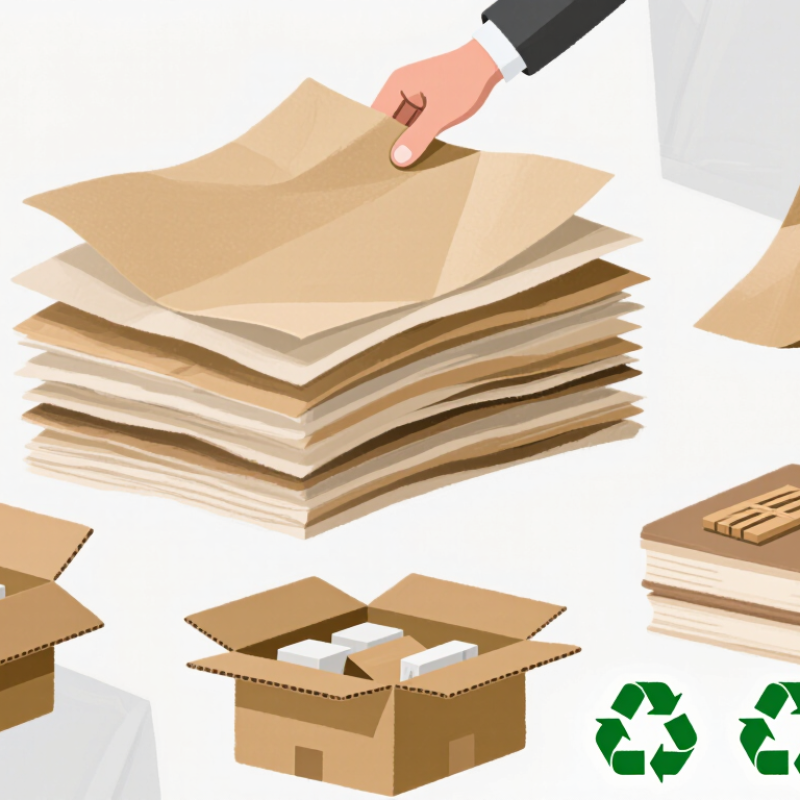
Eco packaging paper sheets are flat pieces of paper used to wrap products, separate items, or cushion goods inside a parcel. They may contain recycled fibers, fibers from responsibly managed sources, or a blend of both. Their weight, texture, and strength vary. A thin, smooth sheet may suit wrapping a small ceramic cup, while a heavier, crumpled sheet can help fill gaps around a box. The details matter.
In daily packing, sheets are easy to cut, fold, and size for different products. They can also reduce reliance on plastic fillers when the paper provides enough protection. But performance depends on the item and journey. A paper layer that works for dry goods may not protect a product exposed to moisture or rough handling. Testing a sample pack can reveal weak corners, torn edges, or excess material before a larger order.
“Eco” is not a guarantee by itself. It is easy to call any brown sheet sustainable; that label deserves a second look. Check recycled content, sourcing information, and local recycling options. Coatings, inks, and food or product residue can affect whether paper is accepted for recycling. I may be oversimplifying, but the most useful sheet is one that protects the goods without adding layers nobody needs.
How Are Eco Packaging Paper Sheets Made?
Eco packaging paper sheets begin with fiber. Mills sort recovered cartons, office paper, and clean production scraps, removing tape, plastic, and other contaminants. The material is mixed with water into pulp; inks may be removed when the intended sheet requires a cleaner finish. Fresh fiber can also be blended in to improve strength.
The U.S. Environmental Protection Agency reported that about 80% of paper and paperboard packaging was recovered for recycling in 2018. That figure reflects broad material recovery, not the recyclability of every finished sheet.
After screening, the pulp is spread across a moving mesh. Water drains away, and presses squeeze the forming web before heated cylinders dry it. The finished paper is then trimmed or cut into sheets. Simple manufacturing, but not impact-free: pulping and drying use water and energy, and coatings or laminations can complicate recycling. A smooth, grease-resistant sheet may suit food or retail packaging, yet its finish deserves scrutiny. That detail matters. Ask suppliers about recycled-fiber content, coating composition, and local recycling acceptance; these vary by product and facility. A paper sheet is not automatically a better choice if it is overbuilt, difficult to sort, or discarded after one use.
What Environmental Benefits Do They Offer?
Eco packaging paper sheets can reduce dependence on plastic fillers and sleeves. For a small order, a few folded sheets may cushion a ceramic mug or separate stacked clothing without adding bulky packaging. Clean, uncoated paper is often recyclable where local collection accepts it. Recycled content can also reduce demand for virgin fiber. Small change, but useful.
Paper is not impact-free. Manufacturing uses water and energy, and transport adds emissions, so a lightweight sheet is not automatically the greener choice. Right-sizing sheets and using recycled or responsibly sourced fiber can improve the comparison. Compostability depends on coatings, inks, and local facilities; it should not be assumed from the word “paper.” A practical check is simple: ask suppliers for fiber-content details, test how much material each parcel actually needs, and review local recycling guidance. The awkward part is that the best option may vary by shipment, and a paper sheet can still become waste if customers cannot sort it correctly.
How Can They Support Business Operations and Branding?
Eco packaging paper sheets can make packing work more consistent. Stored flat, they take little shelf space and are easy to cut, fold, or layer at a packing station. Staff can wrap fragile items, separate products inside a box, or add cushioning without switching between several materials. That can simplify routine orders. It is not a perfect fix: paper may need extra layers for heavy or moisture-sensitive goods, so teams should test it with actual products and shipping conditions.
Paper sheets also offer a visible branding surface. A simple printed message, color choice, or neat folding style can make an unboxing feel considered without adding bulky inserts. PwC’s 2024 Voice of the Consumer Survey found respondents were willing to pay an average of 9.7% more for sustainably produced or sourced goods. That signals an opportunity, not a promise of higher sales; stated intentions do not always become purchases. Keep sustainability claims specific, and make sure the paper specification and disposal guidance match the product. Small details matter. A smudged print or oversized wrap can weaken the impression, even when the material choice is thoughtful.
How Should Businesses Choose and Use Them?
How Should Businesses Choose and Use Them?
Choosing eco packaging paper sheets starts with the job, not the label. Check the product’s weight, sharp edges, surface finish, and exposure to moisture. Then match sheet size and basis weight to the item and packing process. A sheet that is too light may tear around corners; one that is too heavy can add avoidable material. Small details matter. Ask suppliers for fiber content and clear disposal guidance, since coatings or laminations can affect local recycling options.
Trial sheets on real orders before switching widely. Wrap a glass jar, a metal part, or a folded garment, then check for scuffing, loose folds, and packing-line slowdowns. Measure material used per parcel and damage rates over several weeks. Eurostat’s 2022 packaging waste data reported 186.5 kilograms per EU resident, with paper and cardboard making up 40.8 percent of the total. That scale makes material choices worth reviewing, but paper alone does not guarantee a lower footprint.
Keep sheets dry and away from dusty work surfaces; store them flat to prevent curled edges. Train packers to use one measured sheet rather than pulling extra by habit. Test it first. One weak point remains: a paper sheet may protect poorly in damp transit, so compare performance under realistic shipping conditions before setting a permanent specification.