What Are the Best Types of Bean Machines in 2026?
Choosing among bean machines in 2026 depends less on flashy features than on the coffee you drink, the space you have, and the time you want to spend. A bean-to-cup machine grinds whole beans and brews coffee in one unit. Some models prioritize one-touch convenience; others give you more control over espresso extraction and milk texture. The differences become obvious at breakfast: a quick black coffee, a carefully adjusted espresso, or a cappuccino with warm, evenly frothed milk.
Coffee educator and author James Hoffmann has discussed how equipment should suit the drinker’s needs. A fair paraphrase of that principle is: “Choose a machine for the coffee you enjoy and the routine you can sustain.” This is a paraphrase, not a verbatim quotation. It offers a useful lens for comparing automatic, semi-automatic, and grinder-equipped options without treating the most expensive model as automatically best.
Small details matter. Bean hopper capacity, cleaning access, noise, and the cost of routine maintenance can shape everyday satisfaction. So can counter depth; a machine that blocks a cupboard door may be a poor fit, however good its espresso. Not every feature earns its place. Some controls look impressive but add little to a household’s daily routine. This guide compares the main types of bean machines, explains their practical trade-offs, and identifies who each type may suit. The best choice is personal—and sometimes the “ideal” machine is simply the one you will keep clean and use often.
What Is a Bean-to-Cup Coffee Machine?
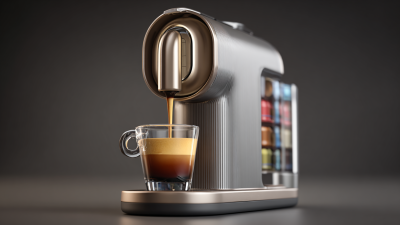
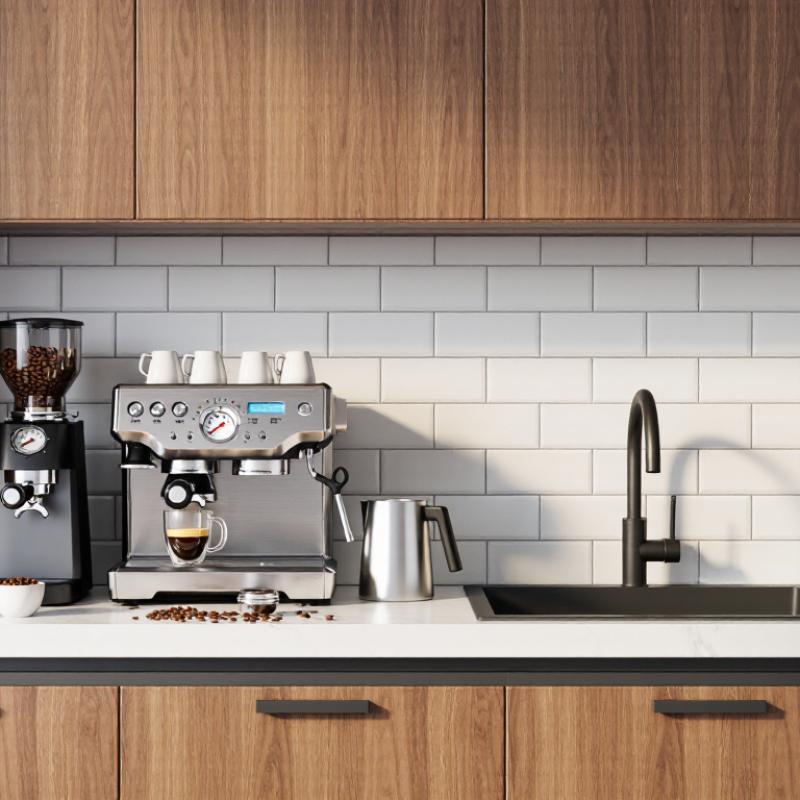
A bean-to-cup coffee machine grinds whole beans and brews coffee in the same appliance. Many models also heat milk or froth it for drinks such as cappuccinos. You add beans and water, choose a drink, and the machine measures and grinds the beans before brewing. The process is convenient, especially on a busy morning.
The grinder, brew unit, and water system all affect the result. Adjustable grind size and drink volume help you tune a cup, though changing one setting at a time makes it easier to notice what works. Freshly ground beans can smell vivid, but they cannot rescue stale beans or poor water. Small details matter.
Maintenance is part of the bargain. Empty the grounds container, rinse removable parts, and clean milk passages promptly; dried milk is stubborn. These steps take time, and some machines have awkward corners. The drinks can be consistent, but not every cup tastes café-made. That expectation may need adjusting. A bean-to-cup machine is best understood as a practical all-in-one brewer, not a substitute for careful ingredients and routine cleaning.
What Main Types of Bean Machines Are Available in 2026?
In 2026, “bean machines” usually means coffee makers that grind whole beans before brewing. Fully automatic bean-to-cup machines handle grinding, dosing, brewing, and often milk frothing. They suit busy kitchens: press a button, then wipe coffee grounds from the removable tray. Convenient, but not effortless.
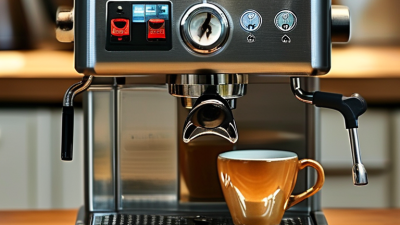
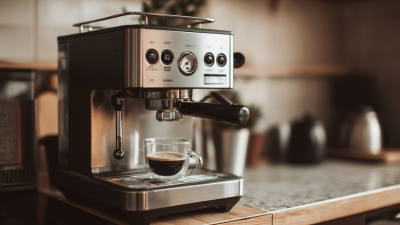
Semi-automatic espresso machines pair a built-in or separate grinder with hands-on brewing. You adjust the grind, tamp the coffee, and control extraction. They offer more control, but small changes in grind size can alter the shot. For simpler black coffee, a grinder paired with a filter brewer is another practical type. It takes more counter space, though, and requires separate equipment.
The National Coffee Association’s 2024 National Coffee Data Trends report found that 67% of U.S. adults had coffee in the past day, the highest level reported since 2004. That figure describes coffee drinking, not machine ownership, but it helps explain the range of home setups. For offices and cafés, commercial bean-to-cup systems prioritize repeatable drinks and higher serving capacity. Check cleaning access and daily output before choosing; advertised drink options alone reveal little about upkeep. A detail easy to miss.
How Do the Different Bean Machine Types Compare?
Bean machines differ in how much control, effort, and cleaning they require.
Fully automatic models grind beans and prepare drinks with a button press. They suit busy kitchens or households with different coffee habits. Check whether the machine lets you adjust grind size, drink volume, and milk texture. Small settings can make a noticeable difference in the cup.
Semi-automatic espresso machines offer more control, but require practice. You grind, dose, and tamp the coffee yourself, then manage the extraction. A scale and a little patience help. They can suit people who enjoy adjusting each shot, though rushed mornings may feel less pleasant.
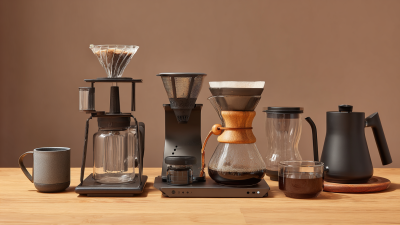
A grinder paired with a filter machine is another practical option. It usually makes several cups at once and avoids espresso-specific steps. Less fuss, often.
Compare the daily routine, not just the feature list.
A built-in milk system may save time, but its tubes and parts need regular cleaning. Separate grinders and brewers take more counter space, yet are easier to replace individually. Bean quality and freshness matter across all types, and no machine can correct stale coffee.
One detail is easy to miss: a quieter grinder may be more valuable than an extra drink setting in a small home.
The best fit depends on how you actually make coffee, not an ideal routine.
Which Features Matter Most When Choosing a Bean Machine?
When comparing bean-to-cup machines, prioritize a consistent grinder, adjustable dose and temperature, and easy cleaning. A grinder with several settings helps you match the beans to your preferred brew. Check whether the grounds container and drip tray slide out without a struggle. Small details matter. A clear water-level window and replaceable parts can also make daily use less frustrating.
The Specialty Coffee Association’s Coffee Brewing Control Chart identifies 1.15–1.35% total dissolved solids and 18–22% extraction as reference ranges for balanced brewed coffee. These figures can help assess a machine’s brewing consistency, but they are not universal targets for every coffee style. Taste still wins. Pay attention to how easily you can change settings, repeat a recipe, and descale the machine. A feature-rich model may sound appealing, yet complicated menus can become tiresome before breakfast.
Tips: Ask about cleaning frequency and replacement parts before buying. Run the machine with your usual beans, if possible, and compare two grind settings. I would not judge it by one cup alone; my first impression can be wrong, especially with unfamiliar beans.
What Are the Best Types of Bean Machines in 2026? - Which Features Matter Most When Choosing a Bean Machine?
Bean machine types differ in brewing method, user control, and the amount of preparation and cleaning they require.
| Machine type |
How it works |
Best suited to |
Main advantages |
Things to consider |
| Automatic bean-to-cup espresso machine |
Grinds whole beans, doses and brews espresso at the press of a button; many models have adjustable drink settings. |
Households wanting espresso-based drinks with little hands-on preparation. |
Convenient, compact compared with separate equipment, and usually offers repeatable drink preparation. |
Less direct control than a manual setup; the grinder and brew group need regular cleaning. |
| Bean-to-cup machine with automatic milk system |
Grinds and brews coffee, then froths and dispenses milk through an integrated or connected milk system. |
People who regularly make cappuccinos, lattes, or other milk-based drinks. |
Automates more steps and can prepare milk drinks with minimal technique. |
Milk parts require prompt, frequent cleaning; the system adds components and maintenance. |
| Semi-automatic espresso machine with a separate grinder |
A separate grinder prepares the beans; the user doses and tamps the grounds and controls the espresso extraction. |
Coffee enthusiasts who want to adjust grind, dose, and brewing technique. |
Offers substantial hands-on control and allows the grinder and espresso machine to be chosen separately. |
Requires practice, more counter space, and additional preparation and cleanup. |
| Grind-and-brew filter coffee machine |
Grinds beans and brews filter coffee into a carafe or serving pot, often using a programmed cycle. |
People who prefer brewed coffee and want to make several cups in one cycle. |
Convenient for larger servings; filter brewing does not require espresso-style tamping or extraction skills. |
It makes filter coffee rather than espresso; grinder and brew-basket cleanup still matter. |
| Commercial bean-to-cup machine |
Automates grinding and drink preparation, often with controls designed for frequent use and a range of drinks. |
Offices or service settings where multiple users need drinks throughout the day. |
Designed for repeated use and quick operation; some models offer larger ingredient and waste capacities. |
Requires appropriate installation, regular maintenance, and capacity suited to actual demand. |
Features That Matter Most When Choosing
| Feature |
Why it matters |
What to check |
| Drink style |
The brewing method determines whether the machine is suited to espresso, milk drinks, or multiple cups of filter coffee. |
Choose a machine based on the drinks you make most often, not just the number of preset options. |
| Grinder adjustment |
Grind size affects how quickly water passes through coffee and is especially important for dialing in espresso. |
Look for accessible grind adjustments and a range suited to the brewing method; finer is not automatically better for every drink. |
| Milk preparation and cleaning |
Automatic milk systems reduce manual work but need regular cleaning to remove milk residue. |
Check whether milk components detach easily and whether the machine provides clear rinse or cleaning instructions. |
| Cleaning and maintenance |
Routine care helps keep coffee oils, grounds, and scale from building up in parts that need attention. |
Review how the drip tray, grounds container, brew group, and water circuit are cleaned, and follow the maker’s maintenance schedule. |
| Capacity |
Bean, water, and used-ground capacities affect how often the machine needs refilling or emptying. |
Match capacity to the number of drinks made between refills; a larger capacity can also take up more space. |
| Controls and customization |
Settings for drink volume and strength can help users adjust coffee to taste and repeat preferred recipes. |
Prioritize controls that are easy to understand and settings you are likely to use. |
| Size and access |
The machine needs enough counter space, and everyday tasks should be practical in its intended position. |
Measure the available space and check clearance for opening the bean hopper, adding water, and removing trays. |
| Repair and support |
Access to service information and replacement parts can affect long-term ownership and maintenance. |
Check warranty terms, local service availability, and whether key parts can be cleaned or replaced. |
Selection tip: for convenience, consider an automatic bean-to-cup machine; for hands-on espresso control, consider a semi-automatic machine with a separate grinder; for multiple cups of brewed coffee, consider a grind-and-brew filter machine.
How Can You Match a Bean Machine to Your Coffee Habits?
Choose a bean machine by counting the cups you actually make, not the cups you imagine making. The National Coffee Association’s 2024 National Coffee Data Trends report found that 67% of U.S. adults drank coffee the previous day; 45% had specialty coffee. Those figures suggest varied routines, but they do not tell you which machine suits your kitchen. Your morning habits do.
For one-touch drinks and several cups a day, an automatic bean-to-cup machine can grind and brew with little effort. Convenience matters. Check how easily its grounds container and milk parts clean; neglected residue can affect flavor. If you enjoy adjusting shot size and strength, pair an espresso machine with a grinder. It takes practice, and dialing in a shot can be frustrating before work. For larger mugs or a shared pot, a grind-and-brew filter machine is often simpler and less demanding. I’d question any choice based only on drink options: a machine that looks versatile may feel fussy at 6 a.m. Picture the counter space, the noise, and who will rinse the parts each night.
What Are the Best Types of Bean Machines in 2026?
Match the machine to the way you like to make coffee.
The 1–5 ratings are a practical guide, not results from a product test. Choose a compact bean-to-cup machine for quick, simple drinks; an automatic machine with a milk system for frequent milk-based coffees; a grinder-and-espresso setup for hands-on control; or a grinder-equipped filter machine for brewing several cups of black coffee. Milk systems and removable parts generally need regular cleaning.