
A reliable cup can begin with a quiet kitchen, fresh grounds, and a machine that fits your morning. The National Coffee Association’s 2024 National Coffee Data Trends report found that 67% of U.S. adults had coffee in the past day, the highest share in its tracking since 2004. That figure reflects U.S. coffee habits, not every country or household. Still, it shows why choosing a coffee maker machine is a practical daily decision, not just a matter of countertop style.
Good coffee depends on more than brand names. The Specialty Coffee Association’s brewing guidance gives a useful reference point: its Golden Cup standard uses 55 grams of coffee per liter of water, with brewing temperatures around 195–205°F. A home machine may not match café equipment, and that is fine. What matters is whether it brews consistently, suits your preferred style, and is simple enough to clean and use before work. Small details count: a thermal carafe, a removable water tank, or controls you can operate half-awake.
There is no perfect machine for everyone. A compact drip brewer may suit a small kitchen, while an espresso machine asks for more space, time, and practice. Price alone cannot promise a better cup. This guide compares brew types, capacity, temperature control, maintenance, and long-term cost, so you can weigh the trade-offs. Some choices remain personal—and it is worth admitting that.
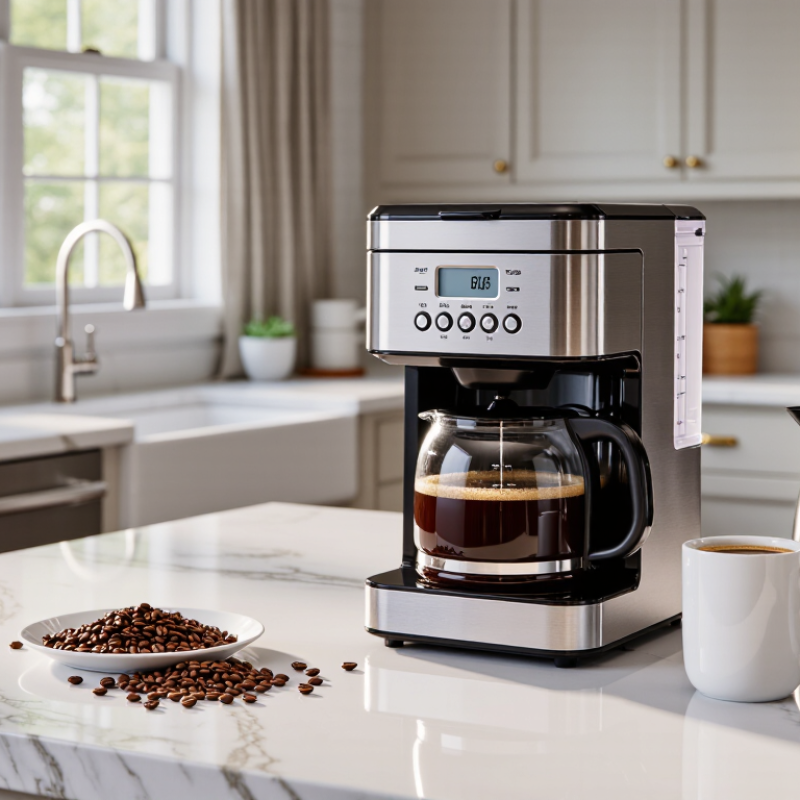
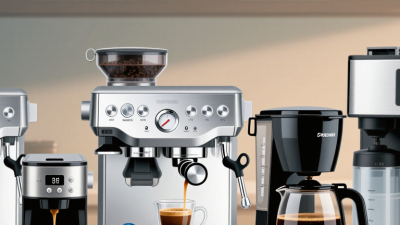
A drip coffee maker works well when you want several cups ready with little supervision. It suits shared kitchens, slow mornings, and people who prefer a familiar mug over hands-on brewing. A thermal carafe keeps coffee warm without leaving it on a hot plate, which can make the last cup taste less scorched. Check whether the machine has a removable water tank and clear measurement marks. Small details matter. The trade-off is control: many drip models offer limited adjustment of water temperature and flow.
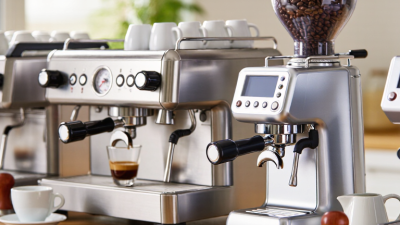
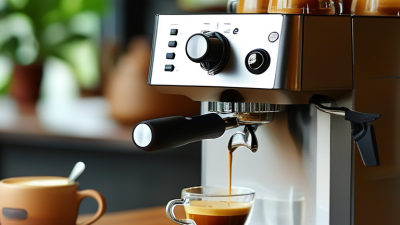
Espresso machines appeal to people who enjoy concentrated coffee and milk drinks. They need finer grounds, careful dosing, and some practice with tamping. A built-in grinder saves counter space, but separate grinders allow more control over grind size. Texture matters. Espresso can taste sharp or watery when the grind or dose is off, so expect a learning curve rather than instant café results.
Single-serve machines are convenient when people want different drinks or only one cup at a time. They heat quickly and reduce measuring, though capsule systems may limit coffee choice and create more packaging waste. Compare the cost per cup, not just the machine price. No machine fits everyone. Think about how much coffee you brew, how much cleanup you tolerate, and whether you enjoy adjusting each cup. A “best” choice can still feel wrong on a rushed weekday.
Identify your brewing style: drip, espresso, or single-serve.
Compare typical beverage volumes per brew: drip makers brew a larger batch, espresso produces a concentrated shot, and single-serve machines make one cup. Actual volumes vary by machine and settings.
A coffee maker’s advertised “cup” may hold far less than a standard measuring cup, so compare capacity in milliliters or liters. The Specialty Coffee Association’s common brewing benchmark is 55 grams of ground coffee per liter of water. That works out to about 27.5 grams for 500 milliliters, or 13.75 grams for 250 milliliters. A kitchen scale makes these amounts easier to measure than scoops, which vary with grind size and how tightly the coffee is packed.
Check the machine’s water markings, then match your usual batch to the ratio. If you often brew 750 milliliters, look for a machine that can handle that amount without pushing water above its marked maximum. Small batches matter too. Some larger brewers may not extract them as evenly, so check whether the instructions specify a minimum brew volume. That matters. The 55-gram ratio is a useful starting point, not a guarantee of your preferred taste; roast, grind, and water can shift the result. I would compare capacity against the amount you actually drink, rather than choosing the largest reservoir. A little trial and error is normal.
When choosing a coffee maker, check the water temperature where it meets the grounds, not just the number on its display. The Specialty Coffee Association’s Golden Cup guidance places brewing water at 90–96°C. Its brewing control targets also include 18–22% extraction and 1.15–1.35% dissolved coffee solids. Temperature alone cannot guarantee a balanced cup, but it is a useful, measurable starting point. Small differences matter.
Look for a machine that heats consistently and can hold its temperature through the brew. A brief dip below 90°C may leave a light roast tasting thin; water near 96°C can draw out harsher notes, especially with a fine grind. If possible, test a full brew with a food-safe probe, then compare the result with the machine’s display. I still find temperature specs easy to overvalue: grind size, dose, and contact time can change the cup just as noticeably.
Tips: Brew two batches with the same coffee and grind, changing only the temperature. Note the time, taste, and reading. Choose a machine that stays within the SCA range during brewing, not one that only reaches it before water flows. Source: Specialty Coffee Association, Golden Cup Standard and Brewing Control Chart.
When choosing a coffee maker, look for controls that make brewing repeatable. A stable water temperature and adjustable flow rate can help keep extraction consistent from cup to cup. A machine that lets you set brew volume is useful, too, since the coffee-to-water ratio affects extraction yield. Convenient controls matter. But extra settings are not automatically better.
The Specialty Coffee Association’s 18–22% extraction-yield range is a useful reference, not a flavor guarantee. Yield estimates how much soluble material moved from the grounds into the drink. To calculate it, you need the brewed coffee’s strength, measured with a refractometer, and the brew ratio. A machine’s display alone cannot confirm that your cup falls in range. Small changes in grind size, water temperature, or contact time can shift the result.
For practical testing, weigh the coffee and water, then keep the dose and ratio steady while adjusting one variable at a time. If the cup tastes sharp and thin, extraction may be low; bitterness can suggest the opposite, though taste is not a precise measurement. I’ve found that even a well-controlled brewer can behave differently with stale beans or an uneven grind. That part is easy to overlook. Choose a machine that makes adjustments clear and repeatable, rather than one that promises a perfect number.
How to Choose the Best Coffee Maker Machine?
Compare Cleaning Needs, Certifications, Warranty, and Running Costs
A good machine should fit your cleaning routine, not just your counter. Check whether the brew basket, carafe, and water tank lift out easily; narrow corners can trap damp grounds. Run a quick rinse test before buying, if possible. Look for clear descaling instructions and replacement-part availability. For certification, verify independent electrical-safety testing and relevant food-contact information. Some commercial NSF standards do not apply to every home brewer, so check the exact standard rather than trusting a vague “certified” label. Read warranty exclusions closely. Scale buildup, wear parts, and commercial use may receive different coverage.
Running costs include more than coffee. The U.S. Energy Information Administration’s Electric Power Monthly reported an average residential electricity price of about 16 cents per kilowatt-hour in 2023. A 1,200-watt machine heating for ten minutes daily uses about 73 kilowatt-hours yearly, or roughly $12 at that rate, excluding standby power. Small differences add up. A hot plate left on, disposable filters, and frequent descaling can raise the real cost. Compare these details with the warranty term and cleaning effort. I would not choose the cheapest model on purchase price alone; the daily rinse and occasional stubborn scale matter too.
| Machine Type | Cleaning Needs | Certifications to Check | Typical Warranty Guidance | Estimated Coffee Cost per Year | Best Suited For |
|---|---|---|---|---|---|
| Drip Coffee Maker | Wash the carafe, brew basket, and reusable filter after use. Descale periodically, especially in areas with hard water. | Look for a recognized electrical-safety listing, such as UL, ETL, or CSA, on the exact model. Certification is model-specific. | Many home models come with about a one-year limited warranty; check the written terms, coverage, and exclusions. | About $160–$290 for ground coffee, using 2 cups daily, 10–12 g per cup, and coffee priced at $10–$18 per pound. | People who want straightforward brewing and low-cost coffee per serving. |
| Single-Serve Pod Machine | Rinse the removable drip tray and pod holder regularly. Empty used pods promptly and descale as directed. | Check the exact unit for a recognized electrical-safety listing, such as UL, ETL, or CSA. Do not assume every model is certified. | Many home models offer about a one-year limited warranty; confirm the duration and whether the warranty requires specific care. | About $220–$585 for 2 servings daily, assuming pods cost $0.30–$0.80 each. Reusable-pod use can change this estimate. | People who value speed, portion control, and minimal measuring. |
| Semi-Automatic Espresso Machine | After each use, rinse the portafilter and basket and wipe the steam wand. Empty the drip tray and descale according to the manual. | Check for a recognized electrical-safety listing, such as UL, ETL, or CSA. For commercial use, verify any applicable food-equipment requirements separately. | Coverage varies; about one year is common for home appliances, but parts, labor, and commercial use may be treated differently. | About $260–$580 for 2 espresso servings daily, using 16–20 g of beans per serving and coffee priced at $10–$18 per pound. | People who want hands-on control over espresso and milk preparation. |
| Automatic Bean-to-Cup Machine | Empty the grounds container and drip tray frequently. Clean the brew group if removable, and follow the machine’s descaling and milk-system cleaning instructions. | Check the exact model for a recognized electrical-safety listing, such as UL, ETL, or CSA. Confirm any certification directly in the product documentation. | Warranty length and service coverage vary by model; compare the written terms and availability of authorized repair service. | About $130–$350 for 2 servings daily, using 8–12 g of beans per serving and coffee priced at $10–$18 per pound. | People who want freshly ground coffee with less manual preparation. |
Cost assumptions: Estimates cover coffee only, not the machine, electricity, water, filters, cleaning products, or repairs. Actual costs depend on serving size, coffee prices, and usage. Warranty periods and certifications vary by model, so verify them in the product’s official documentation before buying.