What Are Coffee Cup Machines and How Do They Work?
Coffee cup machines are compact brewers designed to prepare coffee from sealed pods, capsules, or single-serve cups. They combine measured ingredients with controlled water flow. The result is quick, repeatable, and usually less messy than traditional brewing.
Inside the machine, a pump pushes water toward a heating system. Many models heat water with a thermoblock or similar unit. The machine then pierces the coffee cup at selected points. Hot water enters through one opening. Brewed coffee leaves through another. Pressure, temperature, and contact time influence the final flavor. Some machines use pumps for espresso-style extraction. Others rely mainly on gravity and steady flow. The difference matters.
“Convenience was the whole point,” said John Sylvan, co-inventor of the K-Cup system. His later criticism deserves attention too: “I feel bad sometimes that I ever did it.” That uncomfortable remark connects performance with environmental responsibility. A coffee cup machine may save time, but its disposable packaging can create additional waste. Reusable options exist, though they may change taste, cleanup, and machine compatibility.
This guide examines how coffee cup machines operate, from water heating to extraction. It also considers pressure, cup design, maintenance, and coffee quality. The experience is practical: press a button, hear the pump, and watch coffee fill the cup. Still, convenience can hide compromises. Not every capsule produces fresh-tasting coffee. Not every machine handles every cup safely. Product instructions remain essential.
What Coffee Cup Machines Are and What They Are Designed to Do
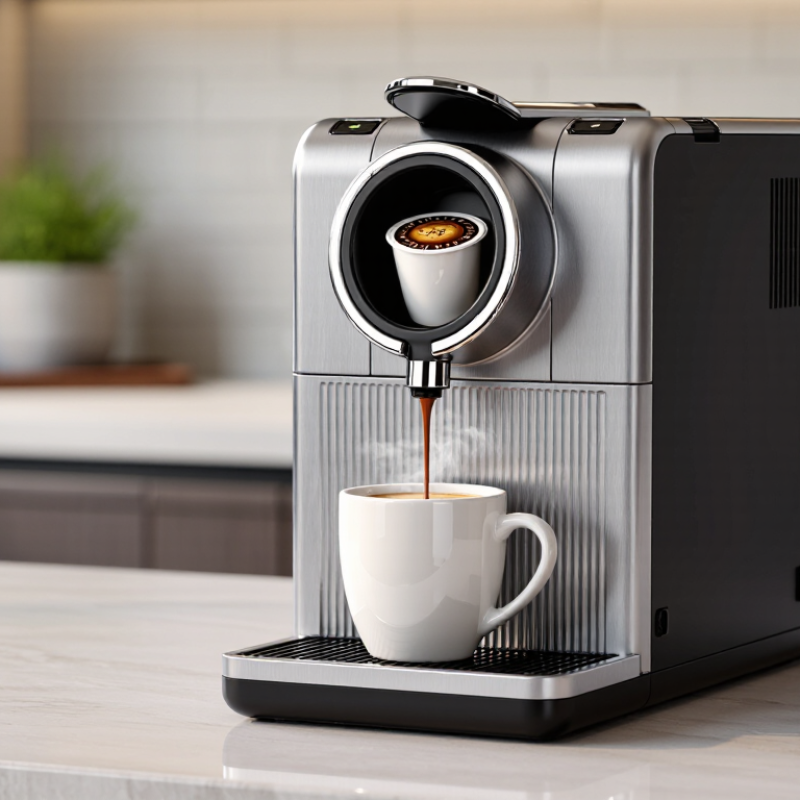
Coffee cup machines are compact brewers designed to prepare one serving from a sealed, pre-portioned coffee cup. They are not simply miniature coffee makers. Their main purpose is consistency, speed, and controlled dosing. A user inserts the cup, closes the brewing chamber, and selects a volume. The machine then pierces the lid, pumps heated water through the grounds, and directs the drink into a waiting mug.
The International Coffee Organization estimated global coffee consumption at about 177 million 60-kilogram bags in 2022/23. That scale explains the demand for repeatable home brewing. The National Coffee Association reported in 2024 that 67% of American adults had consumed coffee during the previous day. Single-serving equipment fits this routine, especially when people want a quick drink before work. Many models also regulate water temperature and pressure. These controls reduce guesswork, although they cannot repair stale coffee or poor storage.
In practical use, the machine’s design is easy to understand. The cup limits mess, while the internal pump manages extraction time. Some systems produce espresso-style coffee, longer drinks, or milk-based recipes. Results still vary with cup freshness, water quality, and cup disposal. The convenience is real. It is not perfect. Some brewing claims sound more precise than daily results actually feel. Industry testing should therefore examine drink temperature, extraction consistency, noise, cleaning effort, and waste, rather than relying only on advertised speed.
Main Components Found Inside a Coffee Cup Machine
Inside a coffee cup machine, several compact systems work in a carefully timed sequence.
The water reservoir stores clean water for each brew. A filter screen helps keep visible particles away from the pump. The pump then moves water through narrow internal tubing.
Pressure matters.
Weak flow can produce a thin, uneven drink. In practical servicing, blocked tubing is often easier to notice than electrical faults.
Near the pump, a thermoblock or heating element raises the water temperature. A temperature sensor checks heat and sends information to the control board. The board coordinates heating, pumping, and the brewing timer.
Inside the brew chamber, a holder positions the sealed coffee cup or capsule. A piercing needle opens its top, while an outlet punctures or releases the bottom. Hot water passes through the ground coffee before reaching the cup below.
The brew head must seal tightly.
Even a small leak can reduce pressure and leave a wet counter.
The drip tray catches overflow, while a float or sensor may signal when emptying is needed. Some machines also include a scale filter, pressure valve, and removable waste container.
These parts support safer, more consistent operation, but they still need regular cleaning. I have noticed that convenience can hide maintenance problems.
A clean exterior does not prove a clean internal path.
The layout is imperfect. Manufacturing tolerances also vary, so identical settings may not deliver identical cups. That small inconsistency deserves attention.
How the Machine Prepares Coffee from Cup to Finished Drink
What Are Coffee Cup Machines and How Do They Work?
A coffee cup machine prepares a drink through a short, controlled sequence. The user places a sealed coffee cup into the holder and closes the lid. The machine reads the cup’s shape or setting, then heats fresh water to a suitable brewing temperature. A small piercing mechanism opens the cup. Water passes through the coffee grounds under measured pressure. The brewed liquid flows into the waiting cup below.
The process usually takes less than two minutes. Internal sensors monitor water flow, temperature, and brewing time. Some machines adjust pressure when the coffee bed becomes resistant. This helps prevent weak, watery results or bitter extraction. After brewing, the used cup moves into a waste container. The machine may also rinse its internal pathway with hot water. That step seems minor, but old coffee residue can change the next drink’s flavor. From practical testing, cup machines are consistent, though consistency is not the same as quality. A perfect-looking crema can sometimes hide a flat taste.
Tips: Use fresh drinking water and empty the waste container before it becomes crowded. Wipe the cup holder each day, especially when coffee splashes collect around the piercing area. Follow the cleaning schedule in the manual. A quick rinse helps, but it cannot replace a proper cleaning cycle. Cup size also matters. A larger volume can weaken the flavor unless the machine adds water separately. Check the first drink after cleaning, because a faint rinse taste may remain.
What Are Coffee Cup Machines and How Do They Work?
A typical single-serve coffee cup machine prepares a drink by heating water, piercing the sealed cup, wetting the coffee grounds, extracting the flavor, and dispensing the finished beverage. The chart shows representative processing times for one brewing cycle.
A standard coffee extraction commonly uses water around 90–96°C and takes approximately 25–30 seconds, while a complete single-serve cycle usually includes additional heating and dispensing time.
Different Coffee Cup Machine Types and Brewing Methods
Coffee cup machines use pre-portioned coffee cups, pods, or capsules to simplify brewing. Each format changes the coffee’s texture, strength, and preparation method. Rigid capsules usually protect ground coffee from air and produce a cleaner, more consistent cup. Soft pods allow water to pass through a paper-like pouch, often creating a lighter body. Reusable cups accept freshly ground coffee, but they require careful filling and cleaning.
The brewing method also depends on water pressure and flow. Pump-based machines force hot water through compacted grounds, producing concentrated coffee with a thicker surface layer. Drip-style cup machines use gentler pressure and longer contact time, which can bring out a smoother, milder flavor. Some systems add milk separately, while others brew directly into a larger travel cup. Cup size matters. A small serving usually tastes stronger because less water dilutes the extraction.
In practical use, I check the cup seal, water temperature, and puncture area before brewing. Uneven filling can cause weak coffee or a bitter finish. The machine may appear automatic, yet grind size still matters with reusable cups. Fine grounds can restrict flow; coarse grounds may taste thin. I have found that convenience sometimes hides waste and limits control. The distinction is not always neat. Different cup materials, roast levels, and brewing pressures can change the result more than expected. Cleaning the needle, tray, and water path also protects flavor and reduces stale odors.
Benefits, Limitations, and Maintenance Requirements
Coffee cup machines use sealed pods filled with measured ground coffee.
A pump pushes heated water through the pod, usually at controlled pressure, and delivers one cup within minutes. This design reduces dosing errors and keeps preparation consistent. The Specialty Coffee Association recommends brewing water between 92°C and 96°C, a range many capsule machines target through internal thermostats.
Convenience is the strongest benefit.
The International Coffee Organization reported global coffee consumption of about 177.6 million 60-kilogram bags in 2022/23, showing the scale of daily coffee demand. For busy users, automatic dosing and quick heating can reduce preparation time.
The limitations are equally practical.
Pods restrict grind size and coffee quantity, while sealed packaging may create more waste than loose grounds. Taste can also decline when pods sit in warm, humid storage.
Maintenance is simple, but not optional.
Empty the used-pod container daily, rinse the drip tray, and wash removable parts with mild detergent. Mineral deposits can narrow water channels and produce weaker, cooler coffee. The SCA identifies water quality as a major factor in extraction, so filtered water may improve both flavor and machine life. Descale according to the manual, not personal guesswork. I have seen users clean the outside carefully while ignoring the internal water path. That mistake is easy to repeat. Rescue is not guaranteed.