Blog

Which Type of Coffee Machine Is Best in 2026?

Which coffee machine is best in 2026 depends less on trend lists than on how you actually brew. Do you want a quick mug before work, espresso with fine crema, or a carafe for several people? The National Coffee Association’s 2024 National Coffee Data Trends report found that 67% of U.S. adults drank coffee the previous day, a survey high. That figure shows routine, not a universal machine preference. Your counter space, cleaning patience, and budget still matter.

For a practical comparison, the Specialty Coffee Association’s Golden Cup guidance offers a useful brewing reference: 55 grams of coffee per liter of water, with a ±10% range. Temperature and extraction consistency matter too, but standards cannot guarantee a great cup from every bean. Automatic drip machines suit repeatable batches; pod systems favor speed and less cleanup; manual brewers reward control. Espresso machines make concentrated drinks, yet demand a grinder, practice, and regular cleaning. That trade-off is easy to underestimate.

This guide compares machine types by taste, time, upkeep, and long-term cost, rather than features alone. It also considers beginners, small kitchens, and households with different coffee preferences. If you searched for “coffee ki machine,” the phrase may be a typo or a regional search term; the same buying questions still apply. There is no perfect pick. Even a premium machine can disappoint when its grinder, water, or workflow is wrong. The strongest choice is the one you will use consistently.
Which Type of Coffee Machine Is Best in 2026?

How Coffee Machines Work and What Distinguishes Each Type

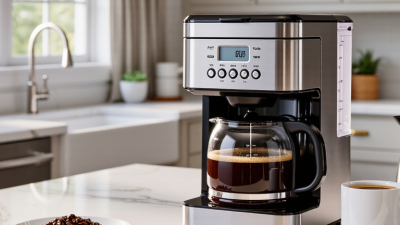
Coffee machines differ in how they heat water, control contact time, and separate grounds from the drink. In a drip machine, hot water passes through a basket of grounds and a paper or mesh filter. Gravity does most of the work. The result is usually a larger, lighter-bodied cup, and grind size affects how quickly water drains. Too fine, and the brew may taste harsh.

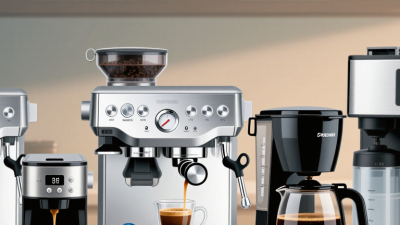
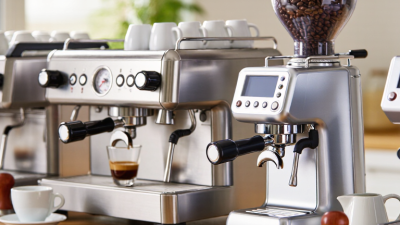
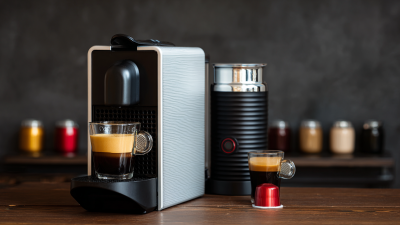
Espresso machines force hot water through finely ground coffee under pressure, producing a concentrated shot with a dense texture. They offer control, but small changes in dose and tamping can alter the result. Pod machines simplify the process by sealing measured coffee in a capsule; convenience is the main distinction, though cup size and capsule choice can limit flexibility. A French press uses immersion: grounds steep in hot water before a metal plunger separates them. That leaves more oils and fine particles in the cup. A moka pot uses steam pressure on a stovetop, but it does not make espresso. That changes the cup. I would not judge a machine by type alone; grinder quality, cleaning habits, and the amount of coffee you actually make matter too. The best fit is often less glamorous than expected.

Which Type of Coffee Machine Is Best in 2026?

Espresso machines typically brew near 9 bar, while moka pots use much lower pressure. AeroPress pressure depends on how firmly it is pressed; drip and French press methods brew at approximately atmospheric pressure. These are typical approximate values, not a measure of overall coffee quality—choose a machine based on the style of coffee and convenience you prefer.

Main Types of Coffee Machines Available in 2026

Which Type of Coffee Machine Is Best in 2026?

Main Types of Coffee Machines Available in 2026

Coffee machines differ in how much control, time, and cleanup they require. NCA’s 2024 National Coffee Data Trends report found that 67% of U.S. adults drank coffee the previous day.

That measures consumption, not machine ownership, so it cannot tell us which brewer is most popular. That distinction matters.

Automatic drip machines suit households making several cups at once. Pod machines are quick and portioned, but create more single-use packaging.

Espresso machines produce concentrated coffee and need finer adjustments; expect to learn grind size and tamping. Bean-to-cup models automate grinding and brewing, though their cleaning routines can be easy to underestimate.

French presses and pour-over brewers are simpler, hands-on options. A kettle, filter, and steady pour matter here.

There is no universal winner. A busy household may value a full carafe, while a small kitchen may need a compact brewer that stores easily.

Check water capacity, brew size, cleaning steps, and replacement-filter availability before buying. Convenience has trade-offs.

Even expensive machines cannot compensate for stale beans or neglected cleaning. For a fair comparison, judge each type against your daily routine, not feature lists alone.

How Coffee Machine Types Compare on Taste, Cost, and Convenience

A drip coffee machine suits households that want several cups with little effort. It handles busy mornings well, though its flavor can seem flatter than slower methods. A French press produces a fuller, heavier cup, with a little sediment at the bottom. It costs less than many electric machines, but cleaning the mesh takes patience. Pour-over gear is also affordable and gives careful control over flavor. The trade-off is time: measuring grounds and pouring steadily can feel fussy before work.

Espresso machines offer concentrated coffee and milk drinks, but they ask more of both your budget and your routine. Grinding, tamping, and cleaning take practice. Capsule machines are quick and consistent, yet their ongoing pod costs can add up, and they offer less control over strength. Taste is personal. A dark roast may hide small differences between machines, while a lighter roast can make them easier to notice. One limitation: convenience depends on how you actually use a machine, not its feature list. A fast model still feels inconvenient if its parts are awkward to wash. Consider how many cups you make, how much counter space you have, and whether a few extra minutes are worth a more hands-on brew.

Which Type of Coffee Machine Is Best in 2026? — How Coffee Machine Types Compare on Taste, Cost, and Convenience

Costs below are indicative U.S. retail ranges and can vary by features, materials, and retailer. Taste descriptions are general tendencies, not objective ratings.

Coffee maker type Typical equipment cost Typical coffee cost per cup Taste and texture Convenience and upkeep Best suited to
Drip coffee maker About $20–$200 About $0.15–$0.50 Clean, familiar, and easy to make in larger batches; flavor depends on the coffee, grind, and brewer. Very convenient for multiple cups. Rinse the carafe and filter basket; descale periodically. Households, offices, and anyone who wants several cups with little effort.
Pod coffee maker About $50–$250 About $0.30–$1.00 or more Consistent and convenient, though flavor choices and freshness depend on the available pods. Among the quickest options; minimal daily cleanup. Pods create more packaging waste than loose grounds. Single servings, quick preparation, and households that value simplicity.
Semi-automatic espresso machine About $100–$1,000 or more; a grinder may cost extra About $0.20–$0.70 for coffee, excluding milk Concentrated espresso with a fuller body; results depend heavily on grind, dosing, and technique. More hands-on than most options. Requires practice, rinsing, and regular cleaning of the group head and steam wand. People who enjoy espresso drinks and are willing to learn a repeatable routine.
Bean-to-cup automatic machine About $400–$2,000 or more About $0.20–$0.70 for coffee, excluding milk Freshly ground coffee with adjustable strength; cup quality varies with settings, beans, and maintenance. Automates grinding and brewing, but needs frequent rinsing and periodic cleaning or descaling. Those seeking freshly ground coffee with less manual work and a larger upfront budget.
French press About $15–$60 About $0.15–$0.50 Full-bodied and textured; the metal mesh lets more oils and fine particles through than a paper filter. No electricity required, but brewing and cleanup are manual. The grounds must be emptied and the filter washed. People who want a low-cost, portable brewer and a richer, heavier cup.
Pour-over brewer About $10–$50 for the brewer; a kettle may cost extra About $0.15–$0.50 Often clear and aromatic with a paper filter; pouring technique and grind size can noticeably change the result. Manual and slower than push-button machines. Cleanup is simple, but each brew needs attention. Coffee drinkers who enjoy controlling the brewing process and making one or two cups at a time.

Factors to Consider When Choosing a Coffee Machine

Choosing a coffee machine starts with the drinks you actually make. The National Coffee Association’s 2024 National Coffee Data Trends report found that 67% of U.S. adults had coffee the previous day. For daily brewing, check how quickly a machine works, how many cups it makes, and whether its water tank is easy to refill. Small kitchens matter. Measure the counter space, including room to open lids and remove parts. A compact machine can still feel awkward if cleaning requires a sink-side disassembly.

Brewing control matters, too. Specialty Coffee Association guidance puts ideal brewing water around 92–96°C and recommends roughly 55 grams of coffee per liter for its standard brew. Look for stable temperature, adjustable strength, and a grinder that suits your preferred method. These benchmarks are useful, not universal laws of taste. That trade-off is real. A programmable machine may save time, but extra settings can mean more parts to clean and maintain.

Compare ongoing costs, not just the shelf price. Replaceable filters, accessible seals, and clear cleaning instructions can affect how long a machine remains practical. If you mostly drink one small cup, a large carafe may waste coffee and counter space. If several people brew different drinks, one simple setting may feel limiting. I would not choose by features alone; some are impressive on paper and rarely used in a busy kitchen.

Which Machine Type Fits Different Brewing Needs and Preferences

Which coffee machine fits best depends on how you brew, not just how much coffee you drink. A drip machine suits households that want several cups ready at once. Look for a removable water tank and a carafe that pours cleanly; small daily hassles matter. A single-cup brewer is convenient when people want different drinks or wake at different times. Its trade-off is more frequent refilling and, with some models, higher ongoing costs. Simple matters.

For hands-on brewing, a pour-over setup offers control over grind, water temperature, and pour speed. It rewards attention, but can feel fussy on a rushed morning. A French press gives a fuller-bodied cup and needs no paper filters, though its grounds require careful cleanup. Espresso machines suit people who enjoy concentrated coffee and milk drinks. They also demand practice, counter space, and regular cleaning. I would not choose one just for its impressive appearance; that preference can fade after a busy week.

Tips: Match capacity to your usual routine, check how easily parts come apart, and consider where the machine will sit. If possible, try a friend’s brewing method before buying. A machine that fits your habits is often better than one with features you rarely use.

Now Hiring!