What Are the Best Single Brew Coffee Machines?
Coffee is a daily ritual for millions, but convenience means something different in every kitchen. The National Coffee Association’s 2024 National Coffee Data Trends report found that 67% of U.S. adults drank coffee the previous day, the highest level in the survey’s tracking history. That figure measures coffee drinking, not machine ownership. The distinction matters. Still, it helps explain why a quick, reliable cup has real appeal. A crowded counter. A half-awake morning. One mug, not a full pot.
The best single brew coffee machines depend on what you value: flavor, speed, low waste, or a small footprint. Some brew from pods; others use ground coffee or offer both options. Reservoir size, cup-height clearance, cleaning effort, and the ongoing cost of supplies can shape everyday satisfaction more than a long feature list. This guide compares those practical details and considers who each type may suit. A machine that works beautifully in a quiet home may frustrate someone rushing out the door. No ranking can settle that for every household. I would also treat published performance claims cautiously: brewing temperature and taste can vary with the coffee, water, and routine. The strongest choice is the one that fits your habits, not simply the one with the most settings.
What Defines a Single-Brew Coffee Machine?
A single-brew coffee machine is defined by its serving size, not by a particular pod or brewing method.
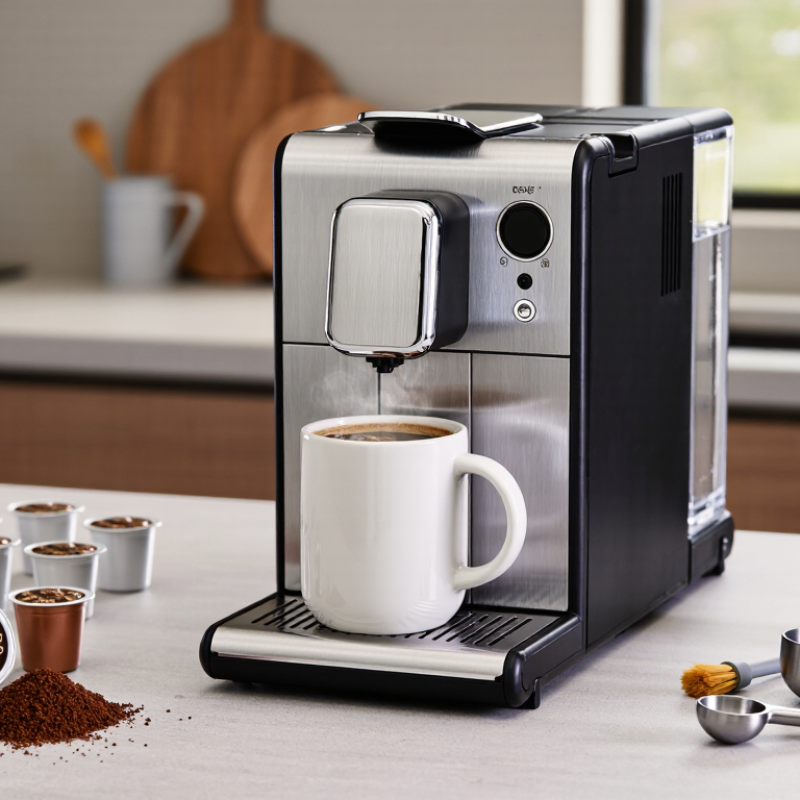
It prepares one portion at a time, directing heated water through a measured amount of coffee and into a mug or small carafe. That portion may come from a capsule, a soft pod, or loose grounds in a reusable basket. The machine controls water delivery and often lets users adjust cup volume. Small details matter: a narrow mug may not fit, and a large setting can make the same grounds taste weak.
The National Coffee Association’s 2024 National Coffee Data Trends report found that
67% of U.S. adults
drank coffee in the past day. That figure describes coffee drinking overall, not single-brew machine ownership, but it helps explain why convenient home brewing matters. A single-serving format can reduce leftover coffee and simplify cleanup. It does not automatically make better coffee, though. Fresh grounds, water quality, and the chosen brew size still shape the result. I sometimes find the first cup needs a little adjustment.
Tips:
Match the brew setting to your mug and coffee amount. For loose grounds, start with the machine’s recommended dose, then adjust to taste. Rinse reusable filters after each brew; trapped oils can leave a stale smell.
Key Types of Single-Brew Coffee Machines
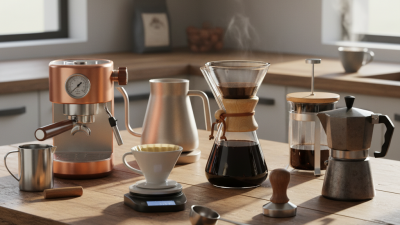
Single-brew coffee machines come in several useful forms. Pod machines seal coffee in premeasured capsules, so they are quick and tidy. Ground-coffee single-cup brewers use a small filter basket instead. They offer more control over coffee choice, though measuring grounds can feel fiddly before breakfast. Manual single-cup brewers, including pour-over-style machines, give users control over water flow and brew time. Compact espresso machines make concentrated coffee, but they require finer grounds and more cleanup.
The National Coffee Association’s 2024 National Coffee Data Trends report found that 67% of U.S. adults had coffee the previous day. That figure describes coffee drinking, not machine ownership, but it shows why convenience matters. Pod systems suit fast, consistent cups. Ground-coffee models reduce reliance on capsules, while manual brewers reward careful pouring. Convenience wins. Yet a single-cup machine can still produce weak coffee if the grind, dose, or water temperature is off. Small details matter.
Tips: Check cup clearance before buying; a travel mug may not fit beneath the spout. Compare the cost and waste of capsules with the flexibility of ground coffee. Also check whether the machine lets you adjust cup size. One easy-to-miss drawback: some models make only one style of coffee well.
What Are the Best Single-Brew Coffee Machines?
Key Types of Single-Brew Coffee Machines
Serving sizes vary by machine and user settings. Pod-based brewers commonly offer smaller cup options, while single-cup drip and pour-over methods can accommodate larger servings. The ranges shown are approximate examples, not fixed standards.
Criteria for Comparing Single-Brew Coffee Machines
A fair comparison starts with the cup you actually drink. Check whether each machine can brew your preferred amount, from a small mug to a travel cup. Use the same coffee and water when testing, then compare flavor, temperature, and brew time. Notice whether the result tastes balanced or turns bitter as it cools. Small details matter. A removable reservoir is easier to refill at the sink, while a narrow opening can make cleaning awkward. Also check how much counter space the machine needs and whether its height fits beneath your cabinets.
Consider the ongoing cost and effort, not just the purchase price. Machines that use single-use portions may be quick, but compare portion prices and available options. Models that accept ground coffee can offer more choice, though scooping and cleaning take extra time. Look for clear controls, a visible water-level window, and parts that are easy to rinse. Safety features, such as automatic shutoff, are worth noting. If possible, test more than one brew setting with the same cup. Results can vary with grind size and water quality, so one tasting is not definitive. I still find this part imperfect: a machine that suits a strong-coffee drinker may disappoint someone who prefers a lighter cup.
Top Single-Brew Machines for Different Needs
A single-brew coffee machine suits kitchens where counter space is limited or drinkers prefer different cups. For a quick weekday routine, look for simple controls, a removable water reservoir, and a cup platform that fits your usual mug. Check the clearance, too. A tall travel cup may not slide beneath every brew head.
For households with varied tastes, machines that accept both pods and ground coffee offer more choice. Ground coffee can mean less packaging, while pods may simplify cleanup on rushed mornings. Neither option is automatically better for every kitchen. Check the machine’s supported pod sizes and whether it includes a reusable filter before buying. Small details matter.
Frequent travelers may prefer a compact model with a sturdy lid and fewer loose parts. At a desk, quiet operation and a small footprint can matter more than extra settings. For a stronger cup, adjustable brew size helps, but it cannot fix stale coffee or poorly matched grind size. That’s easy to overlook. A useful reality check: measure your shelf and favorite mug before choosing. Also consider how often you’re willing to descale the machine; hard water can leave mineral buildup, even when the coffee still tastes fine.
How to Choose the Right Single-Brew Coffee Machine
Choosing a single-brew coffee machine starts with how you actually make coffee. If you want speed and little cleanup, a pod-compatible model may suit your mornings. If you prefer ground coffee, check whether the machine includes a reusable filter or requires a separate one. Reusable filters can reduce disposable waste, but they need rinsing after each brew. Small detail. It matters at 6 a.m.
Check the cup sizes before buying. Some machines brew only a small serving, while others let you choose a larger cup. Measure your favorite mug, too; a tall travel mug may not fit beneath the spout. A removable drip tray can help. So can a water reservoir that is easy to lift and refill. Machines with a single-cup reservoir may take more daily attention than expected.
Think about the counter space and cleaning routine you can manage. Look for parts that detach easily, and check the care instructions for the filter and water tank. If you often make coffee for two people, a single-brew machine may mean brewing twice. That trade-off is easy to miss in a product description. Noise, brew time, and cup temperature can also vary, so reviews based on repeated use may be more useful than a long feature list. I would not assume the most adjustable machine is automatically the best fit; extra settings can become clutter.