7 Tips for Choosing Coffee Bean Machines for Your Business?
Choosing coffee bean machines is not a simple equipment purchase. It shapes drink consistency, service speed, staffing needs, and operating costs. The National Coffee Association’s 2024 National Coffee Data Trends report found that 67% of U.S. adults had coffee in the past day. That scale makes reliable preparation important, but popularity alone cannot tell you which machine fits your business. Your menu, expected rushes, available counter space, and staff experience matter more.
Start with the result in the cup. The Specialty Coffee Association’s brewing guidance gives a useful reference: 18–22% extraction yield and 1.15–1.35% total dissolved solids for brewed coffee. These targets are not a promise that one machine suits every recipe. They are a way to compare repeatability. Coffee educator James Hoffmann has said, “The grinder is the most important piece of equipment in your coffee setup.” His point matters when evaluating coffee bean machines: a capable brewer cannot make up for uneven grinding.
Small details matter. Check hopper capacity, adjustment range, cleaning access, noise, and whether replacement parts are readily available. For a busy café, a few seconds saved per order can ease a morning queue; for a small office, simple controls may matter more than peak output. Ask suppliers to demonstrate your own beans and recipe, then record results across several batches. That test may reveal inconvenient truths about workflow or maintenance. It is worth admitting that no specification sheet captures a real service rush. Use these seven tips to judge performance in context, not by features alone.
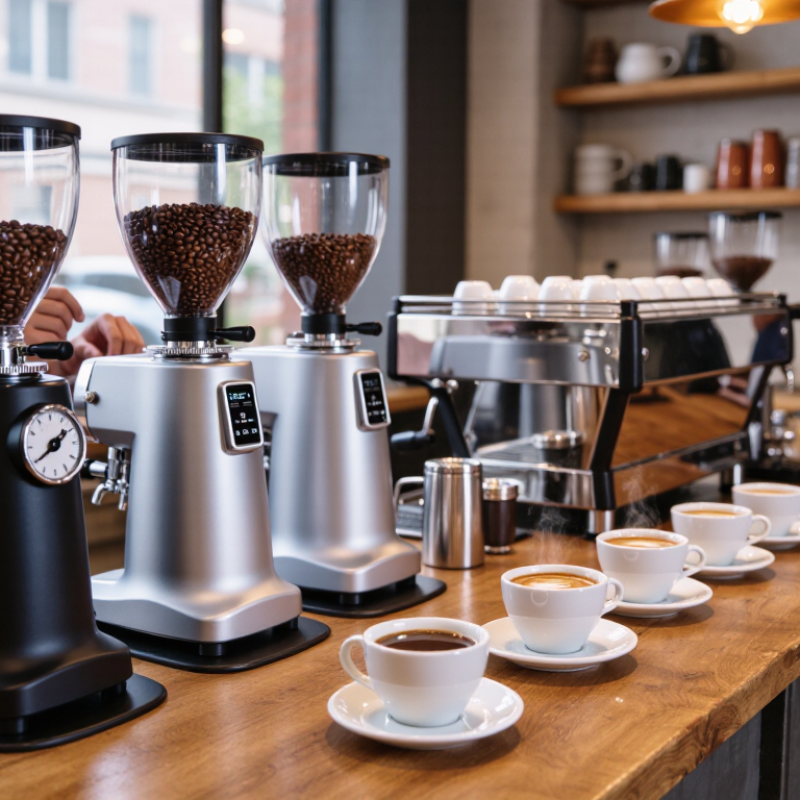
Define Daily Cup Demand Before Selecting a Bean-to-Cup Machine
Before choosing a bean-to-cup machine, count actual drinks sold each day—not cups you hope to sell. Track quiet and busy days separately, then note the busiest 30-minute period. Peak time matters. A machine that handles the daily total may still create a queue when orders arrive together.
The National Coffee Association’s 2024 National Coffee Data Trends report found that 67% of U.S. adults had coffee in the past day; coffee drinkers averaged 2.8 cups daily. That is useful market context, not a sizing formula for your business. Record your own transactions for at least two representative weeks. Include takeaway orders, staff drinks, and seasonal swings. Count each cup.
Use those figures to ask suppliers about realistic drinks-per-hour capacity, refill time, and how performance changes during a rush. A café serving 120 drinks daily may need more capacity than a quiet office serving the same number across eight hours. Leave room for growth, but avoid paying for peak capacity you rarely use. Forecasts can be wrong; review the numbers after launch and adjust.
7 Tips for Choosing Coffee Bean Machines for Your Business
Define Daily Cup Demand Before Selecting a Bean-to-Cup Machine
These illustrative planning scenarios show how demand can vary by business size; they are not industry benchmarks. Track actual daily sales and busy-period orders, then choose a machine that can handle your peak demand as well as your average. Also consider drink complexity, staff workflow, and cleaning time.
Match Grinder and Boiler Capacity to Peak-Hour Service
A busy café can lose more time to recovery than to grinding.
Estimate peak demand from actual tickets: count drinks in the busiest 15-minute window, then separate espresso shots from batch-brew orders. A grinder rated only by daily output may still struggle when several orders arrive together. Choose a model that can sustain your rush without overheating or forcing staff to wait. Boiler capacity matters too. A small boiler may recover slowly during repeated steaming, while an oversized system can waste energy during quiet periods. Test the equipment under your own menu and workflow.
Tips
Record peak-hour drink counts for a week. Ask suppliers for sustained output and boiler-recovery figures, not just maximum ratings. The Specialty Coffee Association’s Brewing Control Chart places brewed coffee in a target range of 1.15–1.35% total dissolved solids and 18–22% extraction yield. These are quality references, not machine-capacity rules, but they help you check whether faster service still produces consistent cups.
Leave room for imperfect days. A staff member may steam milk while another grinds, and demand rarely arrives evenly. Run a timed test with your busiest order mix; check shot consistency, steam pressure, and queue time. If the machine keeps falling behind, the capacity match is wrong—even if its specifications look impressive.
Check Brew Temperature Against the SCA’s 92–96°C Range
A machine’s temperature display is only a starting point. What matters is the water temperature when it reaches the coffee bed. The commonly cited SCA brewing range is 92–96°C, but a reading at the boiler may not match the brew water. Heat can drop as water travels through the group and meets a cool basket. Check the specification carefully. Then verify it with a calibrated, fast-reading probe or suitable brewing-temperature test. Small differences can change extraction.
Run the machine until it is fully warmed, then take readings during several brew cycles. Record the first shot and later shots; a machine may recover unevenly when orders come quickly. Look for consistency within the target range, not just one perfect reading. A difference of a few degrees is worth investigating. Also test with your normal dose and workflow, since an empty machine tells you little about a busy service. Temperature is not the whole cup, of course. Grind, water, and contact time matter too. It is easy to blame the machine first; sometimes the thermometer or testing method is the weak link.
Compare Espresso Machines Using the Common 9-Bar Pressure Benchmark
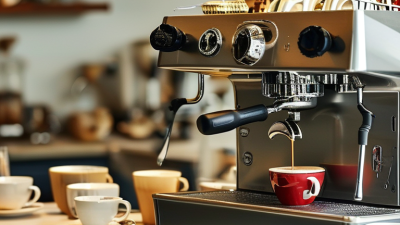
When comparing espresso machines for a café, use nine bars as a shared reference point, not a promise of better coffee. It describes a common brewing-pressure benchmark, but manufacturers may report pressure at different points in the system. Ask whether the figure refers to the pump or the coffee puck during extraction. That distinction matters.
A practical comparison should include a consistent test. Use the same coffee dose, grind, and shot time on each machine, then check pressure during brewing. Watch the gauge as the shot begins; a quick spike can look impressive but may not reflect stable pressure at the puck. Taste the espresso, too. A balanced shot with a steady flow tells you more than a number alone. Not the whole story.
For a busy shop, note how pressure behaves across repeated shots, especially during the morning rush. Ask about pressure adjustment, maintenance access, and the machine’s recovery between drinks. These details affect daily service. A nine-bar setting can be a useful starting point, though different coffees may respond better to small adjustments. Keep records of your test settings, and be willing to revise your first impression. Machines can look similar on paper. In practice, workflow and consistency may separate them.
Evaluate Cleaning Needs, Service Access, and Total Cost per Cup
A coffee machine can look efficient on a showroom counter and become a nuisance during a busy morning. Before buying, ask how often its brew group, milk lines, and grounds bin need cleaning. Daily routines matter. If staff must remove several parts after every rush, those minutes add up. Check whether parts lift out easily and whether the cleaning steps are clear enough for a new hire to follow.
Service access deserves a close look, too. Ask where a technician needs clearance and whether common wear parts can be reached without moving the machine. A unit squeezed beneath a shelf may be difficult to repair. Confirm typical response times, service coverage in your area, and which maintenance tasks your team can safely handle. I once focused too much on drink speed; downtime proved harder to plan for.
Compare total cost per cup, not just the purchase price. Include beans, filters, cleaning products, water treatment, energy, routine service, and expected waste. Divide those costs by the number of drinks you realistically expect to sell, not your busiest day. Small differences matter. Track actual use for a few weeks after installation. Your estimate may be wrong, especially if staff discard more test drinks or milk than expected.